
Last updated November 25, 2026
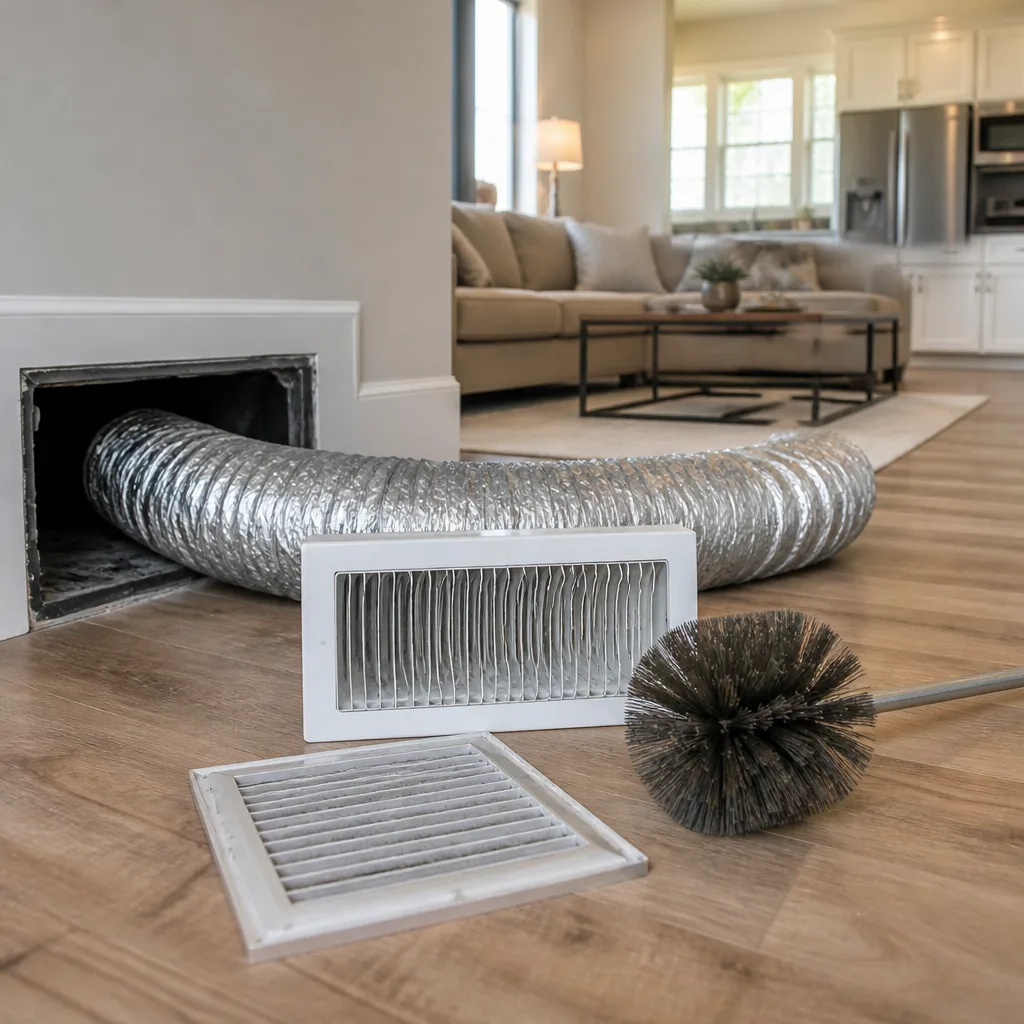 Whole-home duct cleaning
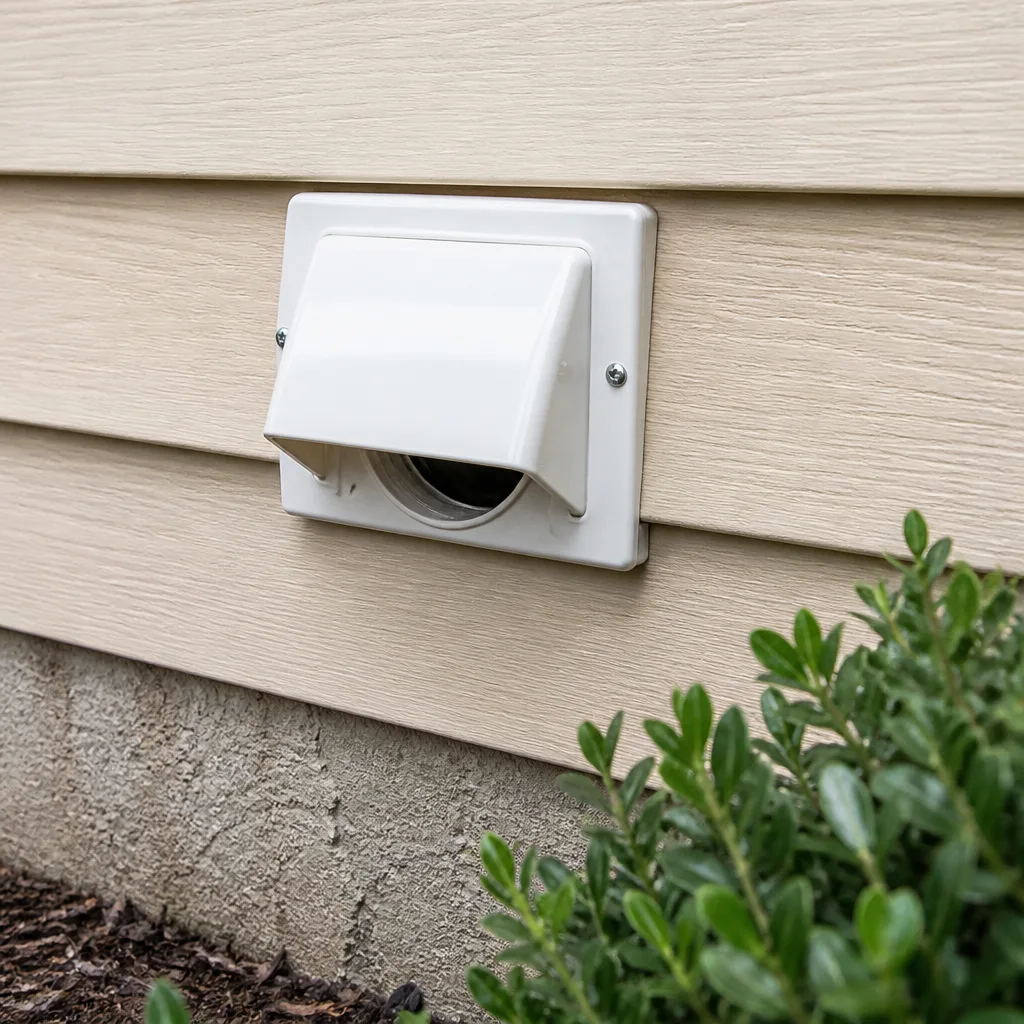 Dryer vent cleaning
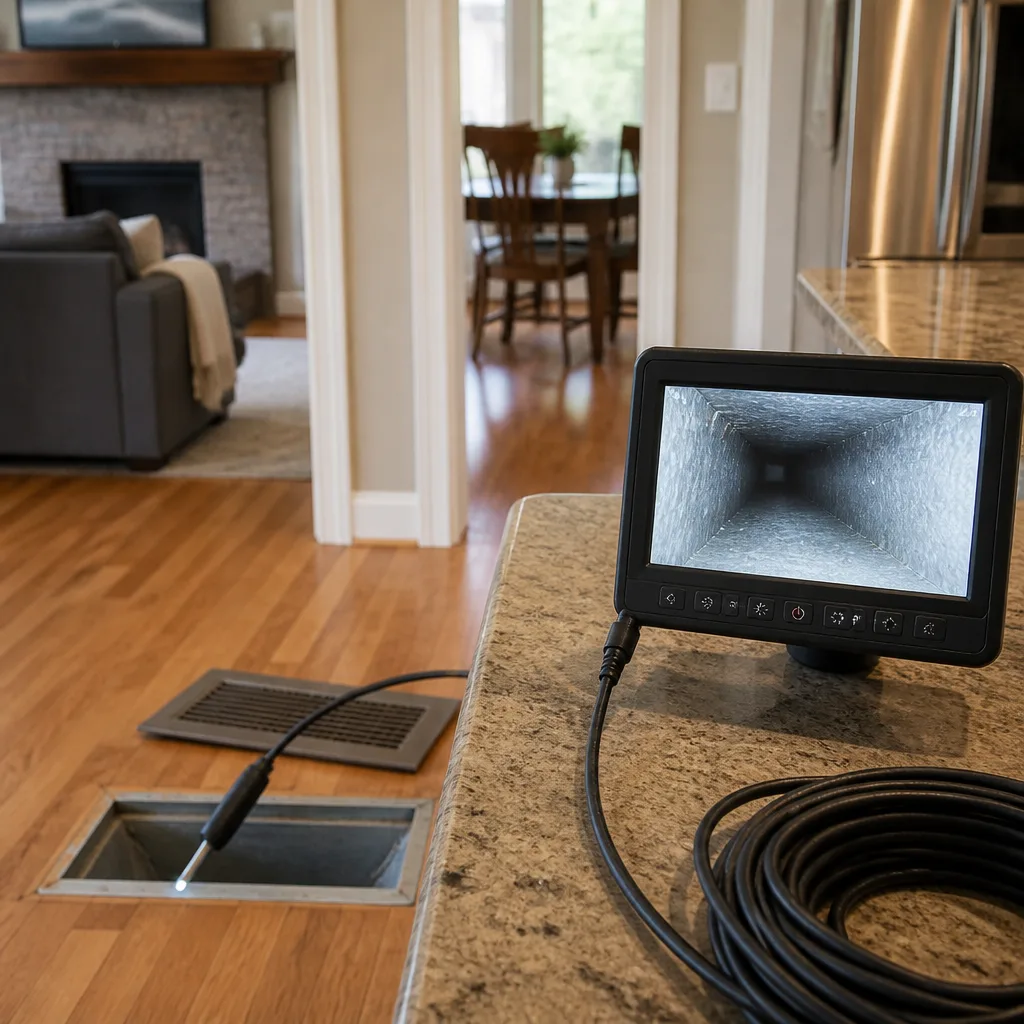 Camera inspection
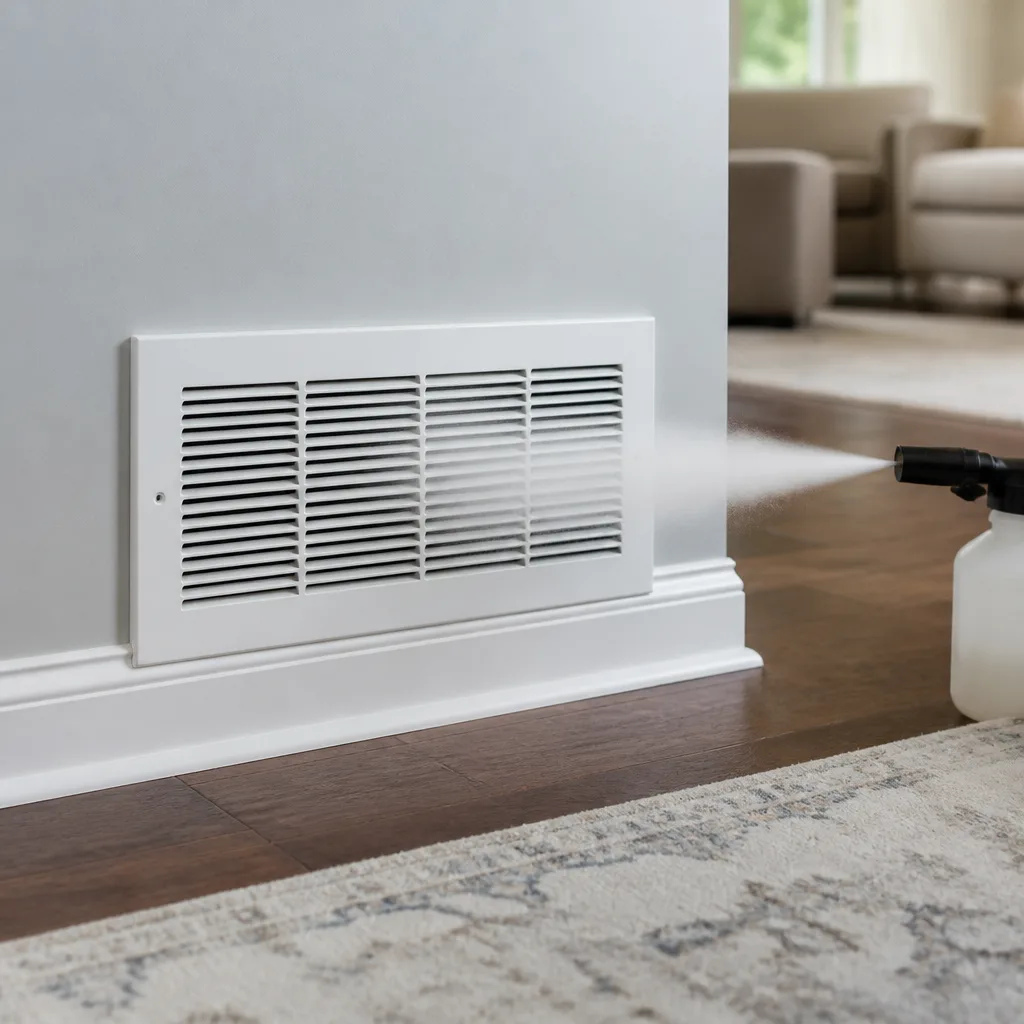 Sanitizing & deodorizing
Whole-system duct and dryer vent check with before-and-after photos - you see exactly what came out of your vents
That "$99 whole-house special" is a bait ad - the real number appears once they are in your hallway, or the "clean" is a shop-vac at the register. We photograph the inside of your ducts before and after instead.
DIY vs Professional Air Duct Cleaning: The Kirkland Homeowner’s Decision Guide
A shop vac and a dryer vent brush can clean the first 18 inches of a supply register. That’s roughly 4% of the duct surface area in a typical Kirkland home. The other 96% sits behind turns, in trunk lines, inside plenum boxes, and down branch runs you’ll never reach with a hose from the hardware store. Homeowners commonly assume a thorough vacuum at the vents means clean ducts. It doesn’t, and the gap between what you can reach and what’s actually dirty is where this whole decision lives. Below, we map which duct zones a homeowner can physically get to, where professional equipment becomes necessary, and how to judge your own home honestly. You’ll leave knowing whether DIY is a reasonable stopgap or a waste of an afternoon in Kirkland.
Quick Answer
DIY air duct cleaning can realistically reach the first foot or two of exposed register boots and flat return grilles, but it cannot clean branch runs, trunk lines, the plenum, or interior flex duct – which is where most contamination accumulates. Professional cleaning with truck-grade or portable HEPA equipment and rotary brush systems reaches the full system, contains the dislodged debris, and lets a technician spot leaks, disconnections, and damaged insulation along the way. If your ducts haven’t been professionally cleaned in several years or your home predates the mid-1990s, DIY is an interim measure at best.
Styles & brands we work with
- Whole-home duct cleaning
- Dryer vent cleaning
- Camera inspection
- Sanitizing & deodorizing
Table of Contents
- Which Duct Zones Can a Kirkland Homeowner Actually Reach?
- What HEPA-Rated Equipment Does That a Shop Vac Doesn’t
- When DIY Is a Reasonable Interim Measure
- When DIY Makes the Professional Job Harder
- The Risks Unique to DIY Attempts
- A Decision Matrix for Your Kirkland Home
- What Professional Air Duct Cleaning Actually Involves
- Dryer Vents: The One Duct DIY Should Never Touch
Which Duct Zones Can a Kirkland Homeowner Actually Reach?
Ductwork is easier to understand as a tree. The furnace or air handler is the trunk. Main plenum and trunk lines branch off from it. Smaller branch runs lead to individual rooms, and each branch ends at a register boot in the floor or wall. That’s a lot of surface area once you add it up.
Here’s how the reachability breaks down for a homeowner with a vacuum and a brush:
- Register grille face: Fully accessible. You can unscrew the cover, wash it, and vacuum the visible boot.
- First 12 to 18 inches of a straight supply boot: Reachable with a flexible brush or a shop vac hose. This is the only internal section most homeowners clean.
- Return air grilles and short return drops: Sometimes reachable if the drop is straight and shallow. Older Kirkland homes often have panned return cavities between studs – those are not ductwork at all, and brushing them risks disturbing insulation.
- Branch runs (from boot back to trunk): Not reachable. These turn, jog, and disappear behind drywall.
- Trunk lines and plenum: Not reachable without cutting access ports – which we don’t recommend a homeowner do.
- Interior of flex duct: Not reachable, and brushing it badly can tear the liner.
In our experience across Kirkland homes, the register boots are rarely the dirtiest part of the system anyway. The heaviest accumulation tends to sit in the plenum, the return trunk, and low spots in branch runs where airflow slows. Those are the zones that drive the 96% figure at the top of this page.
What HEPA-Rated Equipment Does That a Shop Vac Doesn’t
A standard shop vac captures large debris. It does not capture fine particulate. A HEPA-rated vacuum captures 99.97% of particles down to 0.3 microns, and in a duct cleaning context that distinction matters more than the motor size on the box. When a brush dislodges settled dust, that dust goes airborne. If the vacuum holding it isn’t sealed and HEPA-filtered, the fine fraction escapes into the room you’re standing in.
The professional setup solves that in two ways:
- Negative pressure at the source. A high-capacity HEPA vacuum connects to the main trunk and pulls the whole system into negative pressure before any brushing starts. Dislodged debris moves toward the vacuum, not into your living room.
- Containment during the work. Abatement Technologies air-filtration equipment captures contaminants at the register openings while brushes are running, so what gets loosened gets trapped instead of settling on your furniture.
The agitation side matters too. Rotobrush rotary brush systems whip through branch runs the way a pipe snake works in a drain – the brush head spins and sweeps the full circumference of the duct wall, not just the bottom. Nikro HEPA vacuums do the containment work. A homeowner with a shop vac and a hand brush has neither of those capabilities, and the gap isn’t about effort. It’s about equipment class.
For a full rundown of how the professional process runs start to finish, see our air duct cleaning page.
When DIY Is a Reasonable Interim Measure
We’re not going to tell you DIY never makes sense. There are narrow cases where a homeowner cleaning the accessible surfaces is a fair call – especially as a bridge between professional service visits.
DIY is a reasonable interim step when:
- You recently moved in and just want the grilles cleaned. Washing removable register covers and vacuuming the visible boot is harmless and improves the look of the room.
- A single register is dusty from a recent renovation nearby. Drywall dust settles at the register face; vacuuming that surface is fine.
- You’ve had professional cleaning within the last two to three years and want to maintain the visible faces between services.
- You’re dealing with a pet-hair or lint buildup on the grille only – a bristle brush and a vacuum hose will lift most of it.
Notice what’s common to all four: the contamination is on or immediately behind the register face. If the problem you’re trying to solve is visible dust blowing out of registers when the heat comes on, DIY won’t fix it because the source is deeper. That’s the boundary.
When DIY Makes the Professional Job Harder
There’s a counterintuitive point here that many homeowners miss: a poorly done DIY attempt can leave the ducts in worse shape than if nothing had been done. We’ve seen it enough times to know the pattern.
A few ways DIY complicates the professional job:
- Loose debris pushed into branch runs. A shop vac with the wrong nozzle can blow as much dust back into the system as it pulls out. Once that dust is pushed past a turn, it becomes a professional problem instead of a register-face problem.
- Torn flex duct liner. A stiff brush forced into a flex run can grab the inner liner and tear it. A tear means the duct now leaks conditioned air into a wall cavity, and it needs repair before cleaning can be effective.
- Disconnected joints hidden from view. If a homeowner pries at a boot to reach further and pulls a joint loose, the system develops a leak that only shows up later as a hot or cold room. Professionals find it because they inspect the whole run.
- Disturbed insulation in panned returns. Older Kirkland homes with panned joist returns rely on the joist cavity itself as the return path. Brushing that cavity loosens fiberglass fibers into the airstream.
None of this is a reason to be afraid of your ducts. It’s a reason to know your limits before you buy a brush kit.
The Risks Unique to DIY Attempts
Duct cleaning at the register face is low-risk. Duct cleaning inside the system is a different category, and the risks break down into three groups. Understanding them helps you decide where the line is for your home.
Dislodging debris into living spaces. Without negative pressure on the system, every brush stroke frees fine particulate into the room. Homeowners with allergies or asthma feel this within hours. The dust settles on furniture, in carpet, and on horizontal surfaces, and you often can’t see it happen in real time.
Damaging flex duct. Flexible duct has a thin inner liner backed by insulation and an outer jacket. It’s forgiving if you don’t touch it and fragile if you do. Forcing a brush or hose into a flex run, especially around a turn, is the most common way homeowners damage their own system. If a duct tears or a joint comes apart, the fix is duct repair, not cleaning.
Disturbing older insulation materials. Homes built before the mid-1980s sometimes contain ductwork wrapped in older insulation materials that shouldn’t be disturbed without containment. If you don’t know what your ducts are wrapped in, that’s a reason to have someone who does look at them first.
The pattern here is that the risk isn’t in the first 18 inches. It’s in the parts you can’t see.
A Decision Matrix for Your Kirkland Home
The right answer for your home depends on four inputs: how old the house is, what the ducts are made of, what kind of contamination you’re dealing with, and how long it’s been since the system was professionally cleaned. Here’s how those combine:
- Home built after 2000, hard-ducted, no pets, no allergies, professional service in the last three years: DIY register-face cleaning is fine. Call a professional only if something changes.
- Home built after 2000, hard-ducted, pets or allergies, no professional service in four-plus years: Schedule professional cleaning. The system has probably accumulated enough that register-face cleaning won’t move the needle.
- Home built 1980-2000, mixed hard and flex duct, any contamination level: Professional cleaning is the safer call. Older flex duct is more prone to liner damage, and the technician can inspect for it.
- Home built before 1980, original ductwork or panned returns: Professional only. Pre-1980 duct systems often include materials and configurations that need to be handled with containment equipment, not a shop vac.
- Recent renovation or remodeling: Professional. Drywall dust and construction debris settle deep in the system and won’t come out through register faces.
- Smoke, mold, or pest contamination: Professional, plus a conversation about sanitizing. Surface cleaning won’t address the source.
- Visible dust blowing from registers when the system runs: Professional. This is the signal that the contamination source is upstream of the register, not at it.
Kirkland’s housing stock runs the range. Mid-century homes near the waterfront, 1990s construction in the Bridle Trails and Rose Hill areas, and newer builds all present differently, and the matrix is a starting point rather than a verdict. When the input points to professional service, our Kirkland Air Duct Cleaning team can advise on scope.
What Professional Air Duct Cleaning Actually Involves
Knowing what the professional job looks like is useful because it clarifies what you’re comparing DIY against. It’s not just a bigger vacuum.
- Inspection first. A technician looks at the system layout, duct material, register locations, and any history of leaks or damage before touching anything. Hidden issues get flagged here.
- Containment setup. Registers are covered and air-filtration equipment is positioned to capture contaminants at the source throughout the work.
- Negative pressure on the system. A high-capacity HEPA vacuum connects at the trunk, so the entire system pulls air inward toward the vacuum instead of into rooms.
- Rotary brush agitation. Rotobrush-style brush heads travel through each branch run and the trunk, loosening debris from the full circumference of the duct wall.
- Contaminant capture. Debris travels into the HEPA vacuum. If needed, the technician adds a sanitizing step, and existing Honeywell or Aprilaire filtration and humidification products can be discussed for ongoing air-quality improvement.
- Final inspection. Registers get re-seated, and any leaks, disconnections, or torn liner discovered during the work get documented. Those become repair items, which is where a provider that also handles duct repair and sealing saves you a handoff.
Our technicians have up to 11 years of experience with this process, and the difference between a professionally cleaned system and a homeowner-brushed one is visible at step four. For related work, see HVAC cleaning, which extends the same discipline to the air handler, coils, and blower.
Dryer Vents: The One Duct DIY Should Never Touch
Of everything covered in this guide, dryer vent cleaning is the one service where DIY carries a genuine fire risk. Lint is highly combustible, and a clogged dryer vent is a leading cause of residential dryer fires. That’s not fear-mongering; it’s the reason the service exists as a separate category rather than an afterthought.
The problem with DIY dryer vent cleaning is access. A homeowner can reach a few feet in from the back of the dryer, or sometimes from the exterior hood. But most vents run through wall cavities, behind drywall, or up through the roof, and lint accumulates at the turns and at the flap where the run exits the house. A homeowner with a vent brush can’t tell whether the buildup at the turn is gone or just moved. A technician can, because the run gets mapped and cleaned end to end. If the vent material is damaged or disconnected, that’s flagged and repaired rather than left in place – which is exactly what a full-system provider should do.
Dryer vent cleaning is included in our dryer vent cleaning service for exactly this reason. If your dryer takes longer to dry than it used to, or the exterior vent flap doesn’t open fully when the dryer runs, it’s worth having someone look rather than assuming the lint trap is the whole story.
Common Mistakes to Avoid
- Assuming “no dust blowing out” means the ducts are clean. Most Kirkland homes show nothing at the register while the trunk and plenum hold years of accumulation. The registers tell you very little about the system.
- Using a standard shop vac as if it were a HEPA unit. It will lift debris off the register face, but it will also release fine particulate back into the room you’re standing in. Add a HEPA filter or leave the deep cleaning to a contained setup.
- Forcing a brush into flex duct. Flex liner tears easily, and a torn liner turns a cleaning job into a repair job. If you don’t know whether the run is hard duct or flex, stop at the register face.
- Pulling off a register boot to “get further in.” Re-seating a boot correctly is not obvious, and a loose joint creates a hidden air leak you won’t find until a room stops heating evenly.
- Buying a vent cleaning kit and assuming it addresses the whole system. Those kits clean a few feet of dryer vent or register boot, not the branch runs and trunk lines that actually hold the contamination.
- Waiting until you can smell or see a problem. Duct contamination rarely announces itself. Visible dust, musty odors, and uneven room temperatures are late signals, not early ones.
- Skipping the dryer vent because the laundry still dries. A slowed dryer is often the last sign before a blocked vent becomes a fire risk. Treat the vent as a safety component, not a convenience one.
See the difference
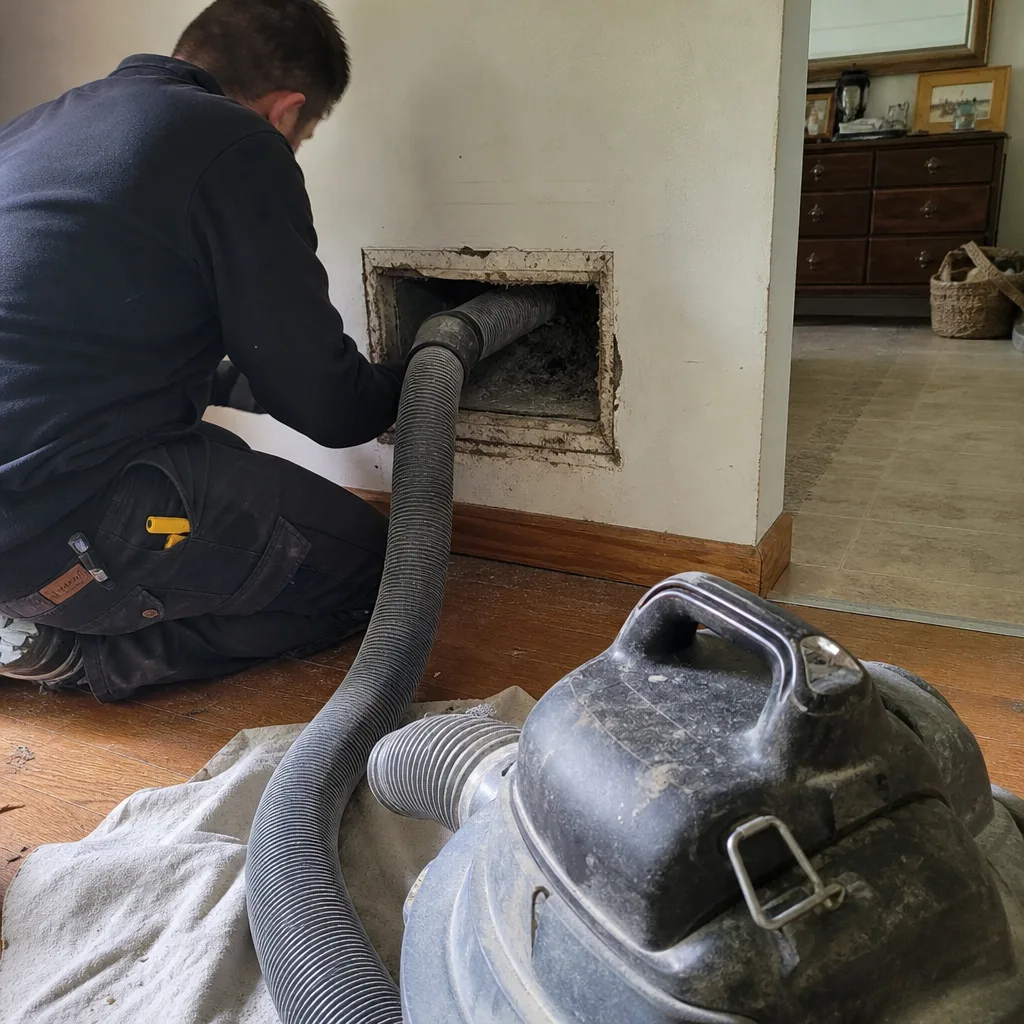 Before
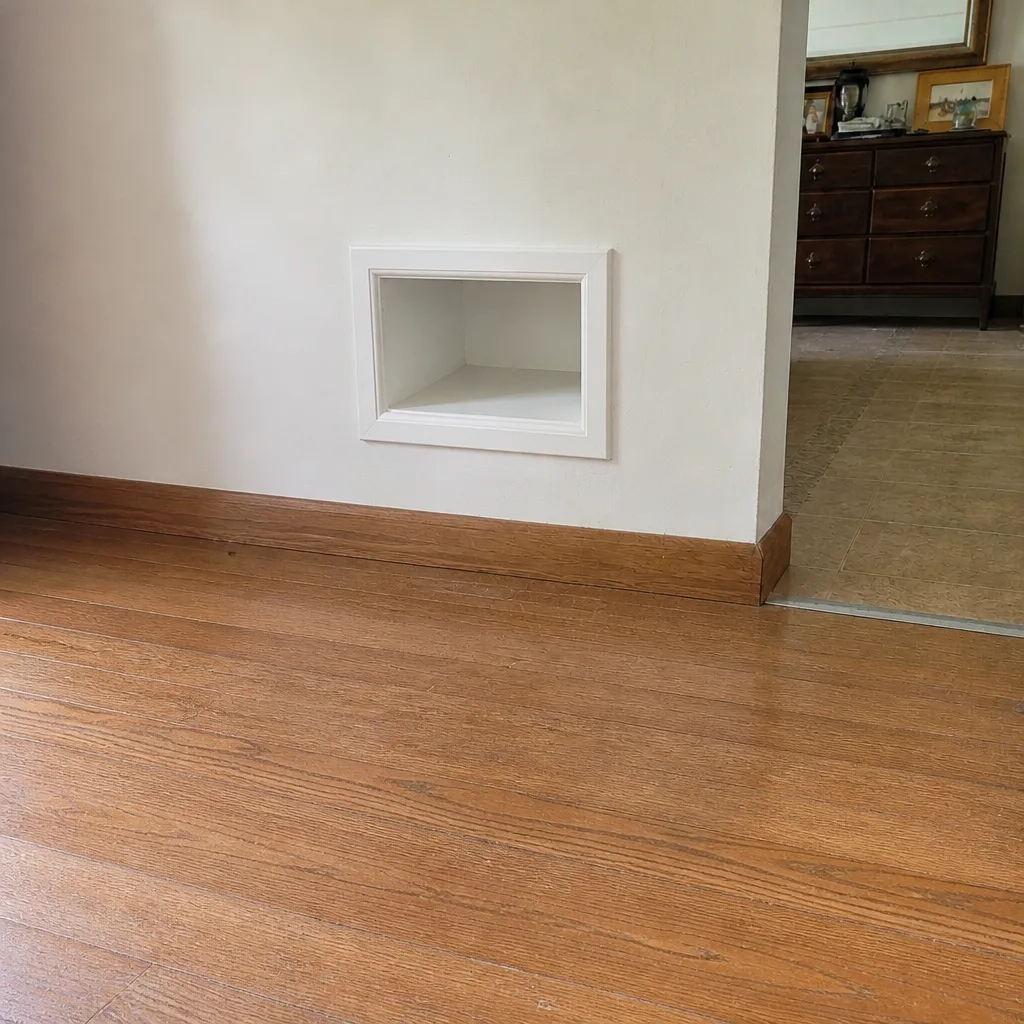 After
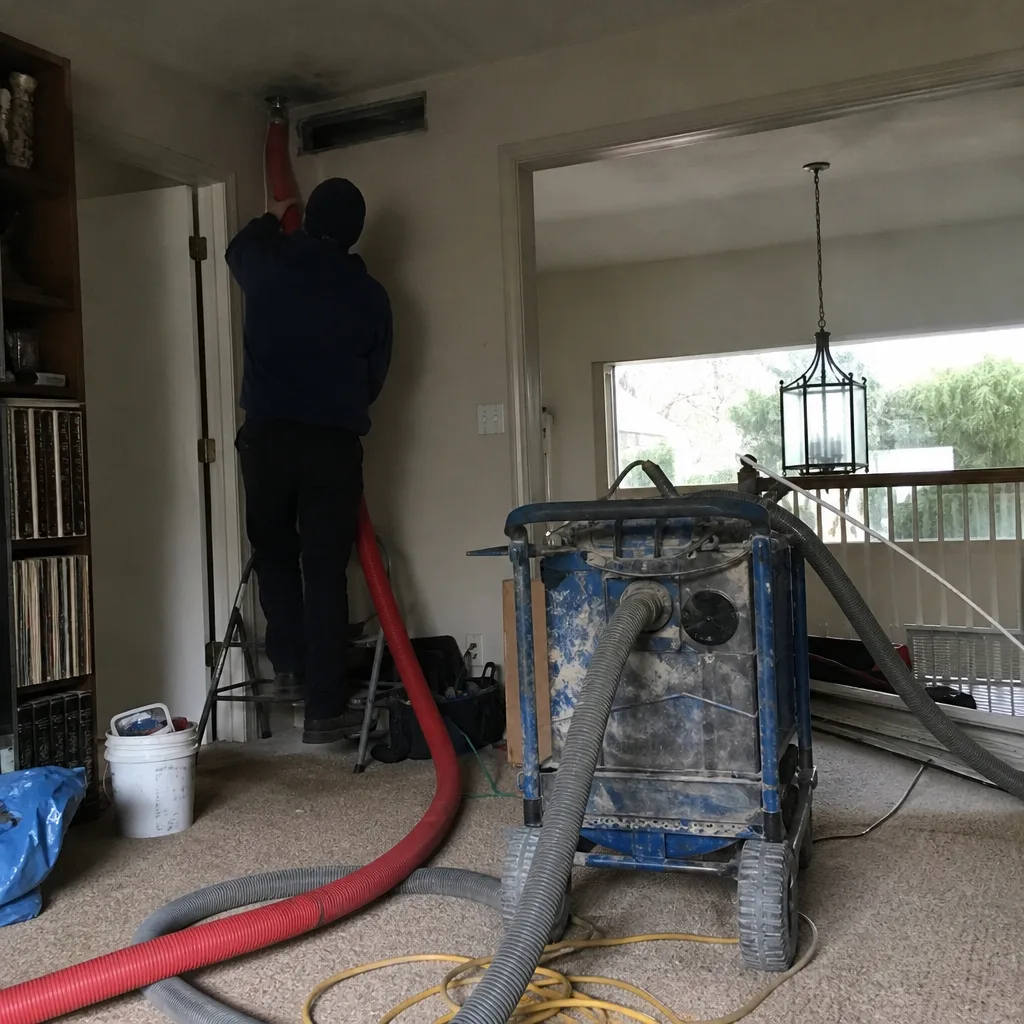 Before
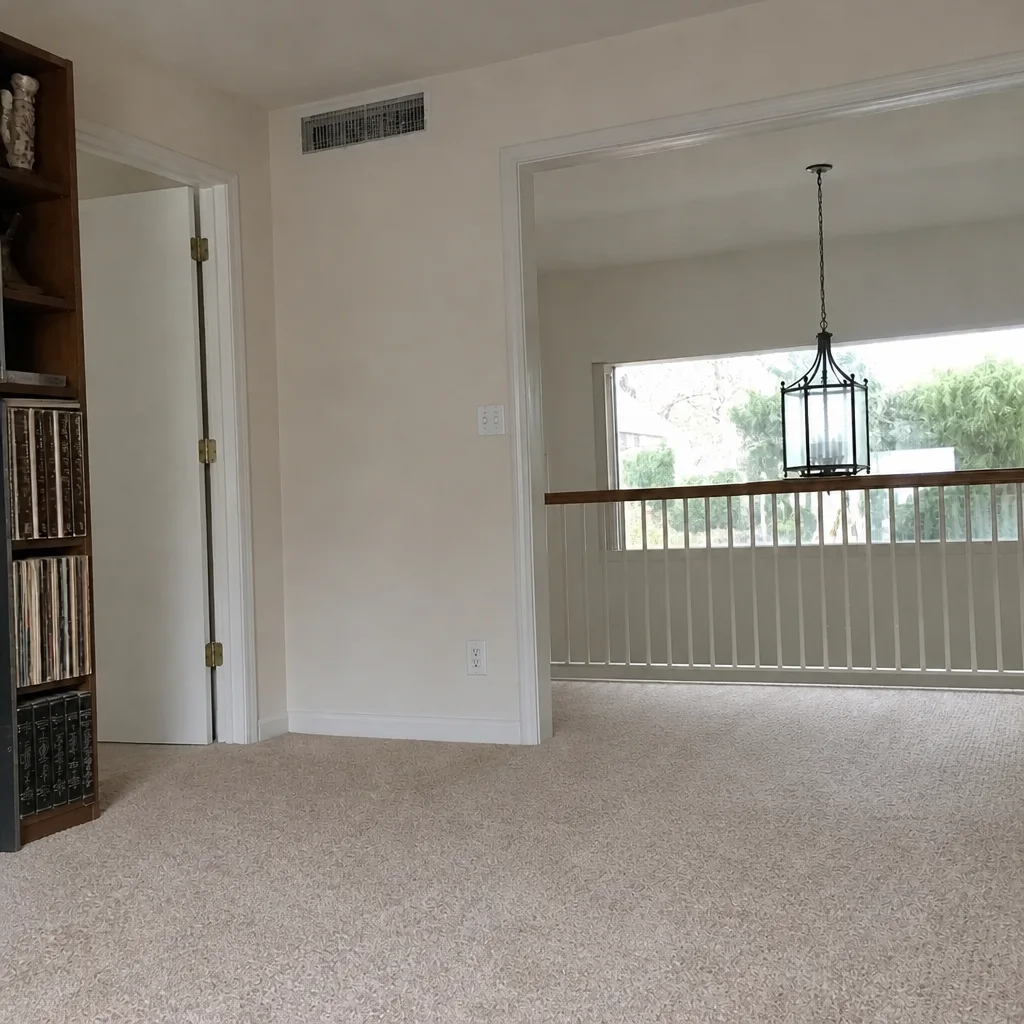 After
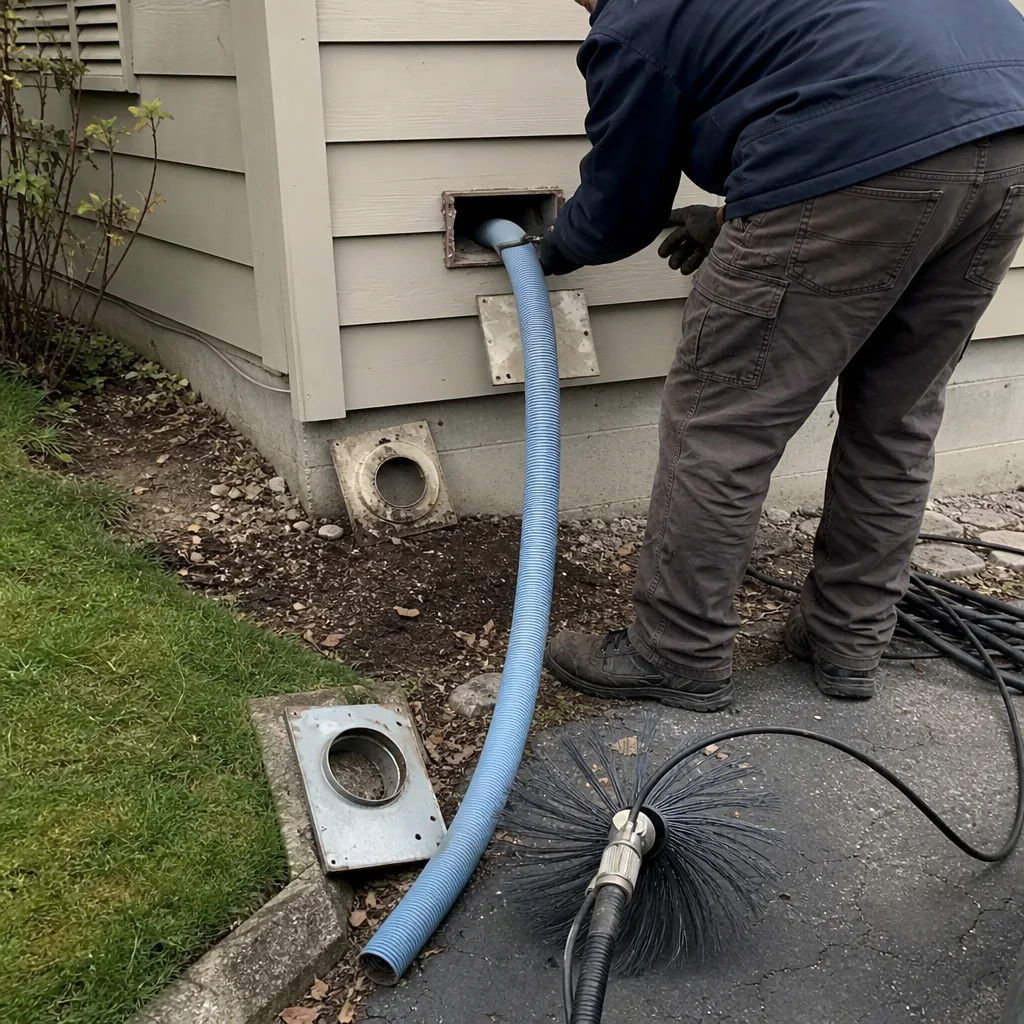 Before
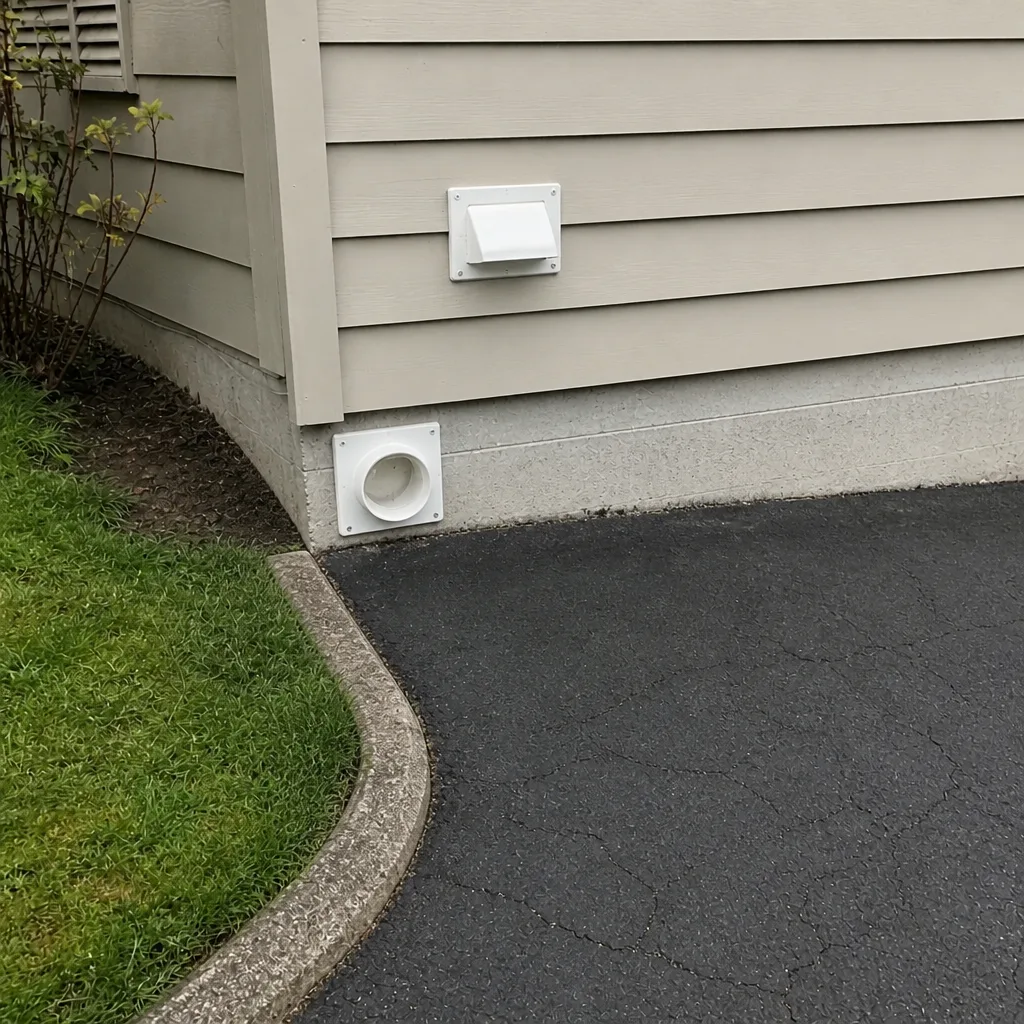 After
When to Call a Professional
Call a professional when any of the following describes your situation: visible dust blowing from registers, a musty or stale odor when the heat or AC kicks on, a home built before the mid-1980s with original ductwork, a recent renovation that produced drywall dust, unexplained allergy symptoms that worsen indoors, a dryer that’s taking noticeably longer to dry clothes, or it’s simply been several years since the system was last cleaned. Those signals all point to contamination deeper than register-face cleaning can reach. Kirkland Air Duct Cleaning offers free estimates in Kirkland – call (855) 812-5163. We answer 24/7, with fast dispatch from 7am to 7pm, Sunday through Friday.
Frequently Asked Questions
No. A shop vac can clean register faces and the first foot or so of a supply boot, which is roughly 4% of the duct surface area in a typical home. Branch runs, trunk lines, and the plenum are not reachable without professional equipment and containment.
Most homes in Kirkland benefit from professional cleaning every three to five years. Homes with pets, allergy sufferers, recent renovations, or older ductwork benefit from a shorter interval, and the technician’s inspection is a better guide than a fixed schedule. Call (855) 812-5163 for an exact quote – estimates are free.
A HEPA vacuum traps 99.97% of fine particulate down to 0.3 microns; a standard shop vac captures larger debris but releases the fine dust back into the room. In a duct cleaning context, the fine dust is the reason the work exists.
It can. Forcing a brush into flex duct can tear the inner liner, and prying at a register boot can disconnect a joint. Both turn a cleaning job into a repair job, and both are easy to do without noticing.
Only the first few feet near the dryer or exterior hood. Most vents run through wall cavities or up through the roof, and lint accumulates at turns and at the exterior flap. Because a clogged dryer vent is a fire risk, it’s worth having the full run cleaned and inspected by a professional.
Professionals use rotary brush systems like Rotobrush for agitation, high-capacity HEPA vacuums like Nikro for containment, and air-filtration equipment like Abatement Technologies to capture dislodged contaminants at the source. That combination is what lets a technician clean the full system rather than the accessible faces.
The Bottom Line
DIY duct cleaning isn’t wrong. It’s just limited. A homeowner can clean register faces and the first foot of a supply boot, and for a recently serviced home that’s a reasonable bit of maintenance. But the contamination that drives dust, odors, and allergy symptoms lives past the first turn, in the branch runs, trunk lines, and plenum you can’t reach without professional equipment. Use the decision matrix above to judge your own home honestly, and when the inputs point to professional service, call (855) 812-5163. Our technicians have up to 11 years of experience, we set one flat price per system before any work begins, and we hand you before-and-after photos of your own ducts afterward. That’s how you’ll know the work was actually done.
Written by the team at Kirkland Air Duct Cleaning.