
Last updated November 25, 2026
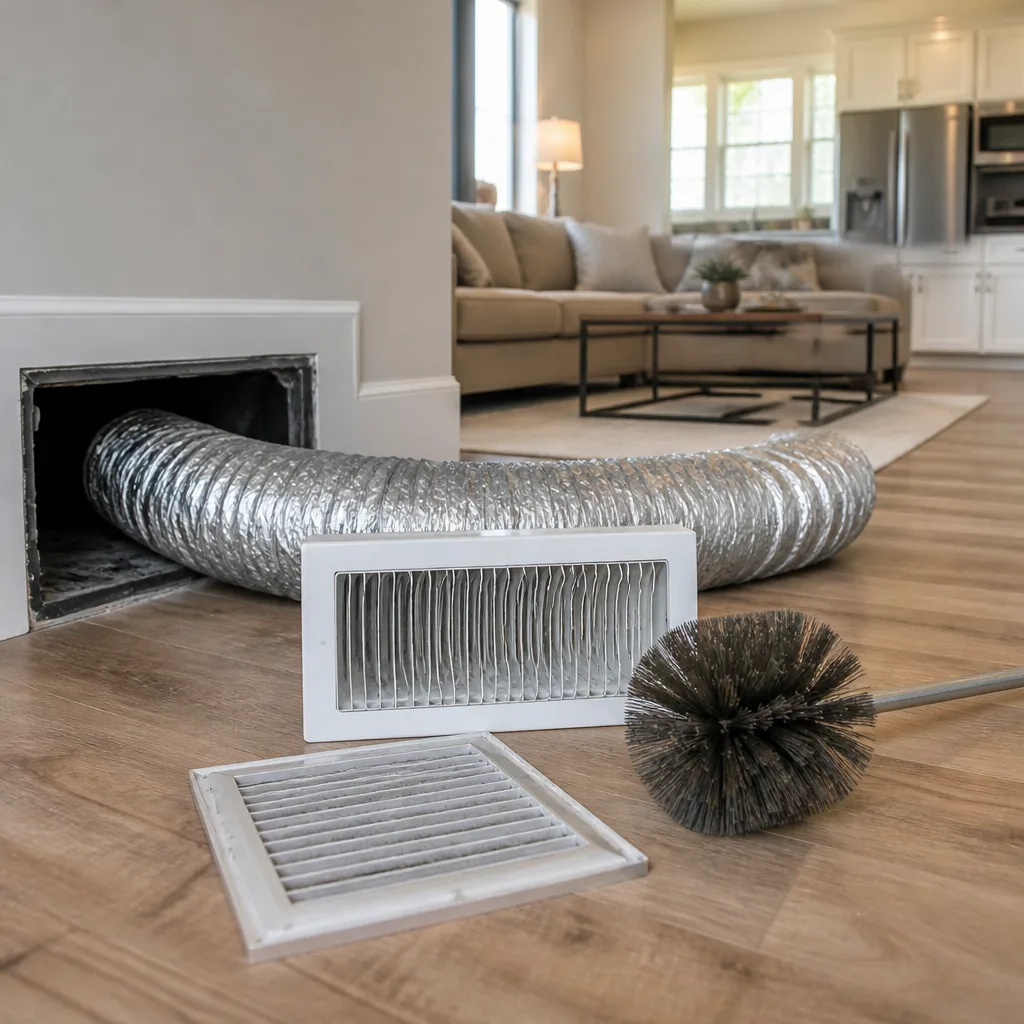 Whole-home duct cleaning
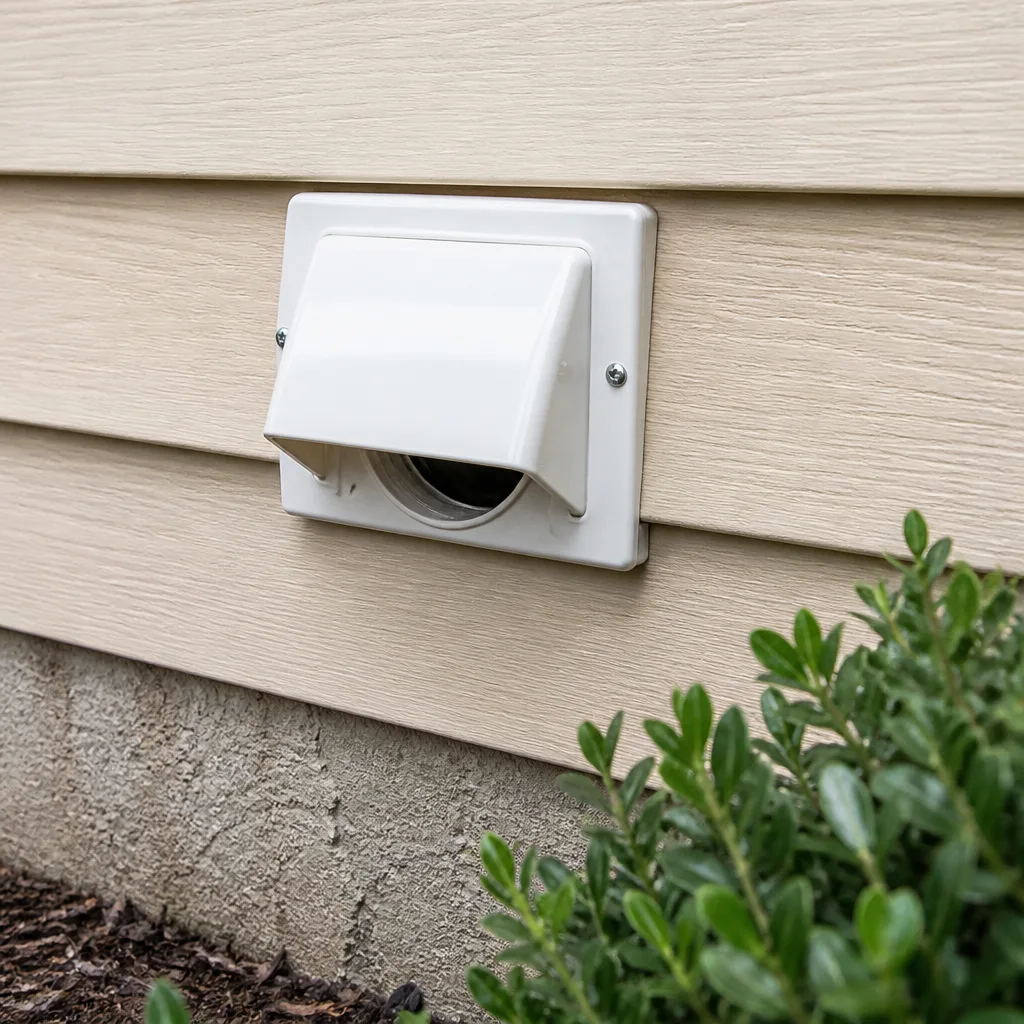 Dryer vent cleaning
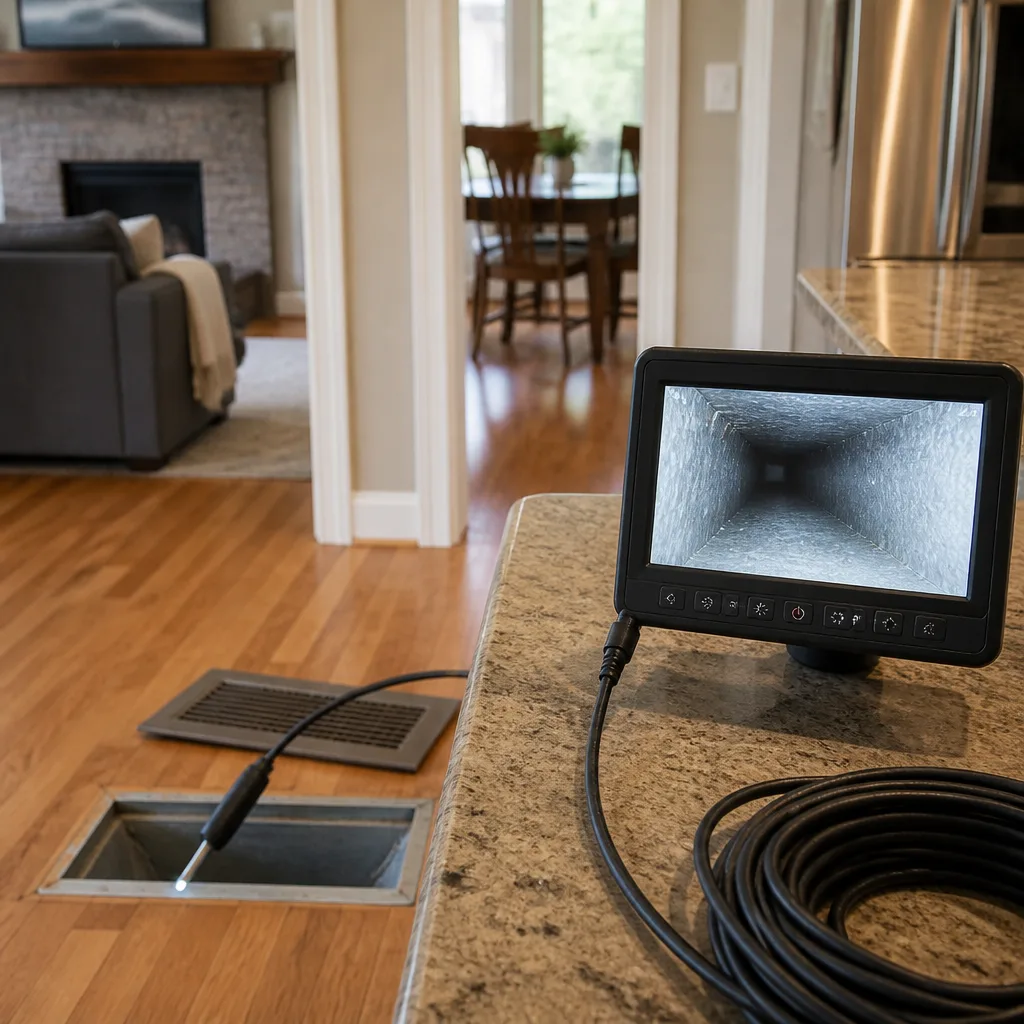 Camera inspection
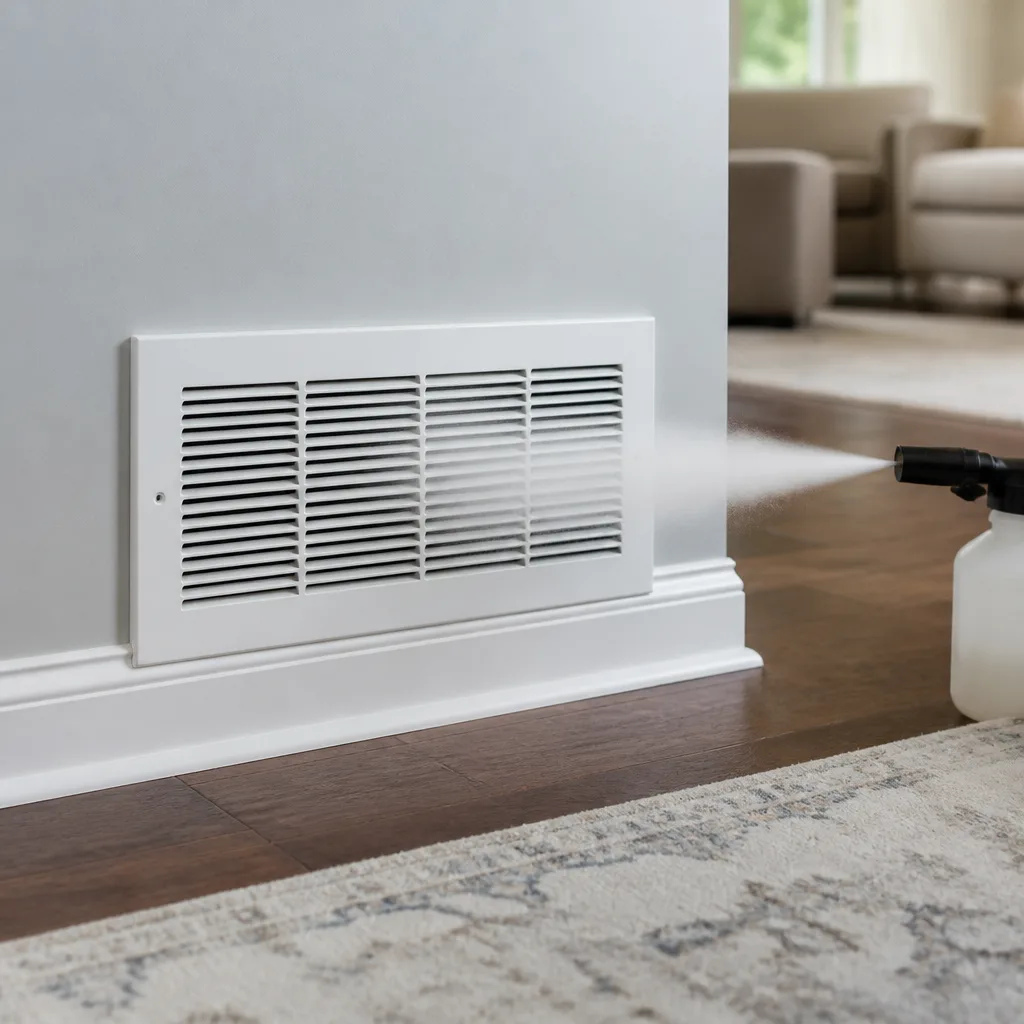 Sanitizing & deodorizing
Whole-system duct and dryer vent check with before-and-after photos - you see exactly what came out of your vents
That "$99 whole-house special" is a bait ad - the real number appears once they are in your hallway, or the "clean" is a shop-vac at the register. We photograph the inside of your ducts before and after instead.
How to Hire an Air Duct Cleaning Contractor in Kirkland: A Step-by-Step Guide
Most homeowners assume the hard part is finding someone with a truck and a vacuum. It’s actually the opposite. The barrier to entry in this trade is low enough that a used vacuum and a vinyl logo can put a “duct cleaning” operation on the road in a week, which is exactly why consumer complaints in this category run so high across the country. The vetting problem is real, and it matters more in a market like Kirkland, where older housing stock and mixed heating systems create genuinely different duct conditions from one block to the next. This guide gives you the three credential checkpoints that actually filter contractors, the questions to ask before you book, how to read a quote line by line, and how to confirm the work was done. You’ll finish knowing how to separate a specialist from a day-rate crew.
Quick Answer
To hire an air duct cleaning contractor in Kirkland, verify three things before you book: current membership in NADCA (the National Air Duct Cleaners Association), an active Washington State contractor license (check it on the L&I verify tool), and the equipment class they’ll actually bring – a truck-mounted or rotary-brush plus HEPA system, not a shop vac. Then ask for a written, itemized quote that separates cleaning from any add-on, and confirm they’ll do a pre-inspection and seal every register during the job. If a contractor can’t answer those three questions clearly, move on.
Styles & brands we work with
- Whole-home duct cleaning
- Dryer vent cleaning
- Camera inspection
- Sanitizing & deodorizing
Table of Contents
- Why Hiring a Duct Cleaner in Kirkland Is Harder Than It Looks
- The Three Credential Checkpoints That Actually Matter
- Questions to Ask Before Booking (and What Evasive Answers Look Like)
- How to Read a Duct Cleaning Quote Line by Line
- Red Flags to Watch During the Job Itself
- How to Verify the Work Was Actually Done
- Kirkland-Specific Considerations: Housing, Climate, and Systems
- Common Mistakes to Avoid
Why Hiring a Duct Cleaner in Kirkland Is Harder Than It Looks
The duct cleaning trade has almost no barrier to entry, and that shapes everything about how you should shop for it. A contractor license in Washington is required for work above a threshold, but the equipment, training, and inspection protocols that separate a real specialist from a generic vacuum crew aren’t uniformly enforced across the industry. What that means for a Kirkland homeowner is simple: the certification and equipment checks you do yourself are the actual quality filter. Nobody upstream is doing them for you.
The second thing that makes hiring hard here is that the local housing stock is genuinely varied. Kirkland has everything from mid-century ranches in Juanita and Finn Hill to newer construction in the Bridle Trails and Rose Hill areas, and each system type has different cleaning requirements. A home with a heat pump and flex duct needs a different approach than one with rigid galvanized trunk lines. A contractor who quotes every house the same way hasn’t looked at yours.
We’ve seen the same pattern for years: the lowest bid wins the job and then the homeowner discovers partway through that the price covered “the main lines” only and every vent costs extra. The way out is to slow down the hiring decision and treat it like hiring any other licensed trade. Check credentials. Ask questions. Read the quote. Watch the work. That’s what the rest of this guide walks through.
The Three Credential Checkpoints That Actually Matter
Three credential checks filter out the majority of unqualified operators before they touch your system: NADCA membership, an active Washington State contractor license, and equipment class. Skip any one of them and you’re rolling dice on the other two. Here’s why each one earns its place.
1. NADCA Membership
NADCA (the National Air Duct Cleaners Association) sets the industry’s source-removal standard and requires members to follow an assessment-and-cleaning protocol rather than a quick blast-and-go. A contractor who belongs to NADCA has at minimum committed to that standard and keeps current with it. Membership isn’t a guarantee of perfect work, but it’s a meaningful signal that the contractor operates inside an industry framework rather than outside it. Ask directly: “Are you currently a NADCA member?” The answer should be an immediate yes or no – not a deflection toward “we follow all the standards.”
2. Washington State Contractor License
Washington requires a license for most home-service work above a small-dollar threshold, and the state’s L&I website lets you verify any contractor’s status in about thirty seconds. Run the license number before you book. What you’re looking for is “active,” a business name that matches the one on the quote, and general liability coverage in force. The local pro we connect homeowners with is licensed and insured as their state requires – but you should still check. Every homeowner should, every time.
3. Equipment Class
This is the checkpoint most homeowners skip, and it’s the one that most directly affects the result. Ask what equipment will arrive on the day. A legitimate answer names rotary-brush systems (Rotobrush is the industry standard), HEPA vacuum systems (Nikro is one), and negative-air or air-filtration equipment (Abatement Technologies is a common brand). A bad answer involves the words “we have a big vacuum” with no brand or class behind it. Consumer wet-dry vacuums and shop vacs cannot move enough air to remove settled debris from duct interiors and often stir up more than they catch. If a contractor can’t name the equipment class, the job will be a surface wipe.
Once you’ve cleared those three, you’re already ahead of most Kirkland homeowners. The next filter is the pre-booking conversation and the questions you ask during it.
Questions to Ask Before Booking (and What Evasive Answers Look Like)
A good contractor answers these questions in one or two sentences without deflecting. A bad one answers a different question, reaches for reassurance, or says “it depends” without offering any detail. Read the two columns below as a kind of reading test – if a contractor’s answer lands in the right-hand column twice, cross them off the list.
- “Will you do a pre-inspection with a camera or visual assessment before quoting?” Right answer: yes, with detail about what they check. Evasive answer: “It won’t be necessary, we’ll just clean it.”
- “What equipment will you actually bring?” Right answer: named systems (rotary brush, HEPA vacuum, negative-air) by brand and class. Evasive answer: “Top-of-the-line equipment” with no name.
- “Do you seal every register during the job?” Right answer: yes, sealing registers is standard protocol to prevent cross-contamination between rooms. Evasive answer: “We do it when it’s needed.”
- “Is the price per system or per vent?” Right answer: per system, flat, with a written estimate. Evasive answer: “Depends on how many vents” with no overall range.
- “Will you check airflow before and after?” Right answer: yes, with a meter or a documented visual check. Evasive answer: “You’ll feel the difference.”
- “Can you repair a leak or disconnection if you find one?” Right answer: yes, sealed and repaired as part of the visit or documented for follow-up. Evasive answer: “We just clean – you’d need someone else.”
- “Will I get before-and-after photos of my own ducts?” Right answer: yes, without being asked. Evasive answer: “Photos aren’t standard.”
Two more questions worth asking in a Kirkland home specifically: whether they’ve cleaned systems with the particular type of duct your house has (rigid trunk, flex, or some combination), and whether they handle dryer vents as a separate dedicated service. A duct cleaner who can’t explain the difference between duct cleaning and dryer vent clearing is a duct cleaner who treats both as an afterthought. We treat the dryer vent as a fire-safety item, because lint accumulation next to a heat source genuinely is one.
How to Read a Duct Cleaning Quote Line by Line
A fair quote names the scope, states what’s included, and lists what’s excluded. A suspicious quote is short, per-vent, or built around a teaser price with add-ons to follow. One flat price per system, agreed in writing before the work starts, is the structure you should expect from a legitimate contractor. Here’s what should always appear as line items:
- Pre-inspection scope. What the technician will check before starting (supply and return lines, plenum connections, the air handler, visible moisture or biological growth).
- The cleaning method. Named equipment class and the method (rotary brush plus negative-air HEPA vacuum is standard; “blowing out” is not).
- Register count and sealing protocol. How many supply and return registers will be cleaned and how they’ll be sealed during the job.
- Air handler and coil coverage. Whether the furnace/air handler cabinet and evaporator coil are included or excluded.
- Dryer vent (if needed). Quoted separately as its own scope, not buried in the duct price.
- Optional add-ons. Sanitizing, duct sealing or repair, and any air-quality products (Honeywell, Aprilaire, Guardsman are common brands). Each priced separately and clearly optional.
- Before-and-after documentation. A stated commitment to provide photos of your ducts.
- Written total and payment terms. A single final figure for the work – not a range – with the agreement that the written estimate sets the price.
Now the suspicious version. A quote of “$99 whole house special” rarely means $99 whole house at the end. The low figure usually covers one or two main lines, hides per-vent charges, or is a hook for an in-home upsell presentation. When you ask “what does that include?” and the answer is vague, the $99 was never the price. Expect an honest quote to be higher on paper and to stay put. That stability is what you’re buying.
Red Flags to Watch During the Job Itself
The hiring decision isn’t finished when the technician rings the doorbell. Several failure modes only show up on the day. Watch for these:
- No pre-inspection. A technician who starts pulling registers immediately without looking inside ducts, checking the air handler, or noting moisture hasn’t assessed your system. That’s a bad sign before cleanup begins.
- Registers left open. Every supply and return register should be sealed while the vacuum works the system, or the negative pressure kicks up settled dust into rooms. If doors or vents are open in the first five minutes, ask why.
- No airflow check before and after. A real job starts with a baseline and ends with a comparison. If nobody measures or visibly checks airflow at the registers, ask for it.
- Equipment that doesn’t match the quote. If the quote said rotary brush and HEPA vacuum and the crew arrives with a shop vac and a hose, stop the job.
- Missing dryer vent scope. If they were booked for duct cleaning and never look at the dryer vent, that’s a safety item left on the table.
- No before photos. If you asked for photo documentation and none were taken at the start, you have no baseline to compare against.
Any single one of these is worth a question. Two or more, and the visit isn’t delivering what it was sold as. For more on what the process should look like from start to finish, see our air duct cleaning page – it lays out the pre-inspection, cleaning, and post-check sequence.
How to Verify the Work Was Actually Done
The test of a professional contractor is what they hand you without your asking. Documentation should be standard, not a favor. Here’s what to expect:
- Before-and-after photos of your own ducts. Not stock images, not a gallery on their website – photos of your system, taken during the job, showing the same spots before and after cleaning.
- Pre-inspection notes. Written observations of what was found (debris level, moisture, disconnections, wear), including anything flagged for repair.
- Post-cleaning airflow check results. A visual or meter-based comparison at the registers so you can see whether the work moved air the way it should.
- A written summary of repairs performed or recommended. If a duct leak was sealed or a disconnected run was reconnected, it should be in writing.
- Any product documentation. If a Honeywell or Aprilaire indoor-air product was installed or recommended, the model details should be provided.
- A final invoice that matches the quote. One flat price per system, no surprise add-ons.
If a contractor finishes the job without offering photos, ask. If they offer photos that don’t quite look like your system, ask them to walk through the images with you. A specialist will happily do so. A day-rate crew often can’t.
Kirkland-Specific Considerations: Housing, Climate, and Systems
Duct condition in Kirkland varies enormously because the housing stock is wide and the climate is mild but wet. That combination matters for what a cleaning scope looks like. Homes built mid-century, common in neighborhoods like Juanita and Finn Hill, often have original rigid metal ductwork, which can develop seam separation and small leaks over time. Newer builds in Rose Hill and Bridle Trails frequently mix flex duct in the runs, which compresses and traps debris differently. A contractor who quotes both the same way isn’t paying attention.
The local climate also puts moisture on the radar. Puget Sound winters are damp, and any duct system with condensation or a leak into a crawl space or attic needs more than just cleaning. A real pre-inspection looks at this. A shop vac doesn’t. This is one of the reasons we use HVAC cleaning as a broader scope when the job calls for it – the air handler, the coil, and the duct system need to be assessed as one system.
Dryer vents deserve their own mention because they’re genuinely a different safety category. Lint accumulation inside a dryer vent line next to a heat source is a well-documented fire concern, and it’s routinely skipped by contractors focused on HVAC ducts. A dedicated dryer vent cleaning visit clears the entire length of the vent, not just the portion behind the dryer. In older Kirkland homes, vent runs can be long and have elbows that trap lint where a quick look won’t catch it.
If your home has a heat pump, watch for the flex-duct-vs-rigid-duct handoff and make sure the return-side plenum is included. If you’re on a forced-air gas furnace, ask about the air handler cabinet and the coil. If you’re not sure which system type you have, that’s fine – the pre-inspection should identify it. What matters is that the contractor quotes to your actual system, not a generic template.
Common Mistakes to Avoid
- Choosing the lowest bid without checking credentials. A price is meaningless if the contractor isn’t NADCA-member, state-licensed, and equipped to do the work. Verify first, then compare price.
- Accepting a per-vent quote. Per-vent pricing means the final bill depends on how many vents the contractor decides to count. Insist on flat pricing per system.
- Booking without a pre-inspection. A contractor who quotes over the phone without at least asking detailed questions about your system is guessing. Expect an inspection before a written estimate.
- Letting the dryer vent get skipped. If the visit is for HVAC ducts, ask separately about the dryer vent. It’s a fire-safety item and deserves its own line.
- Not asking for before-and-after photos. Photos are your proof. If you don’t ask, a contractor may not offer, and you’ll have no record of what was found or fixed.
- Skipping the repair conversation. If a leak, disconnection, or blockage is found, don’t accept “cleaned up” as the full answer. Ask whether it was sealed or repaired.
- Overlooking your home’s specific duct type. Rigid trunk lines, flex runs, and heat-pump systems each need a different scope. A generic quote is a warning sign.
See the difference
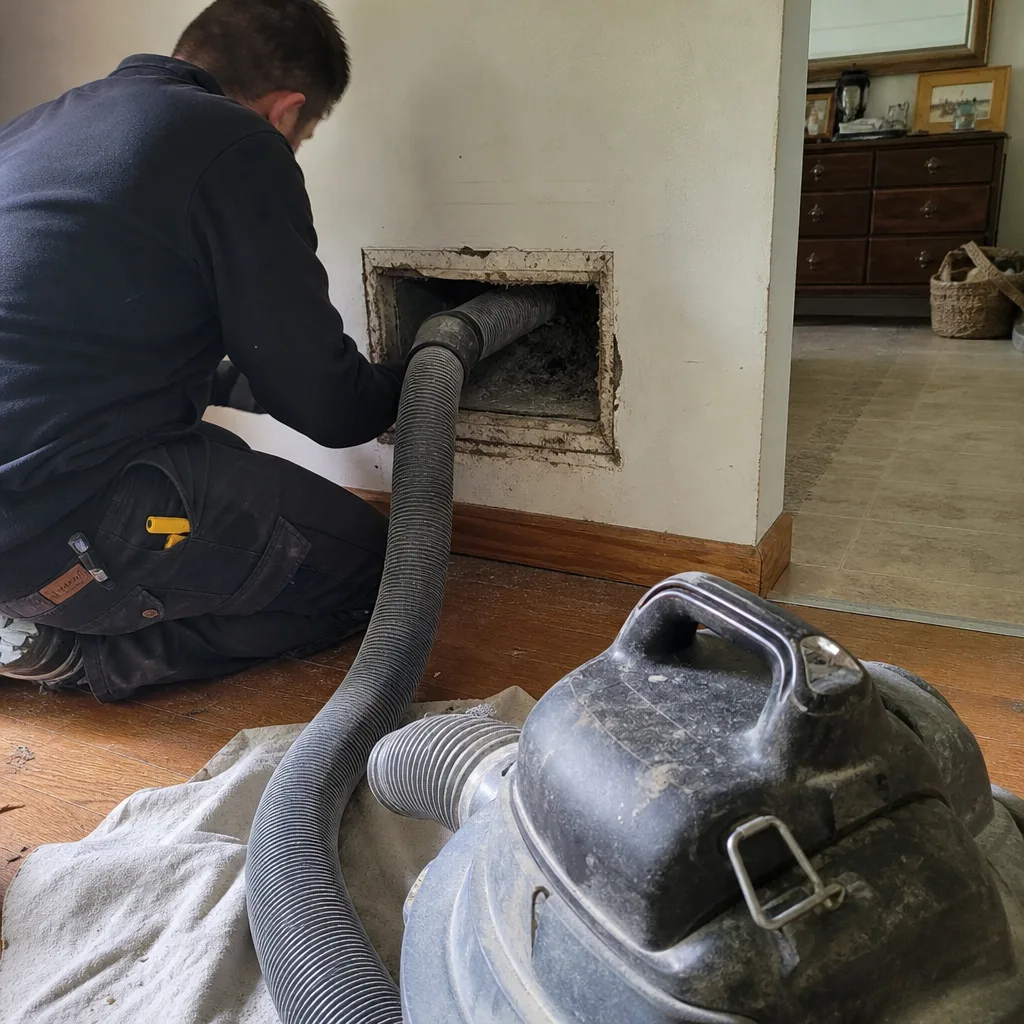 Before
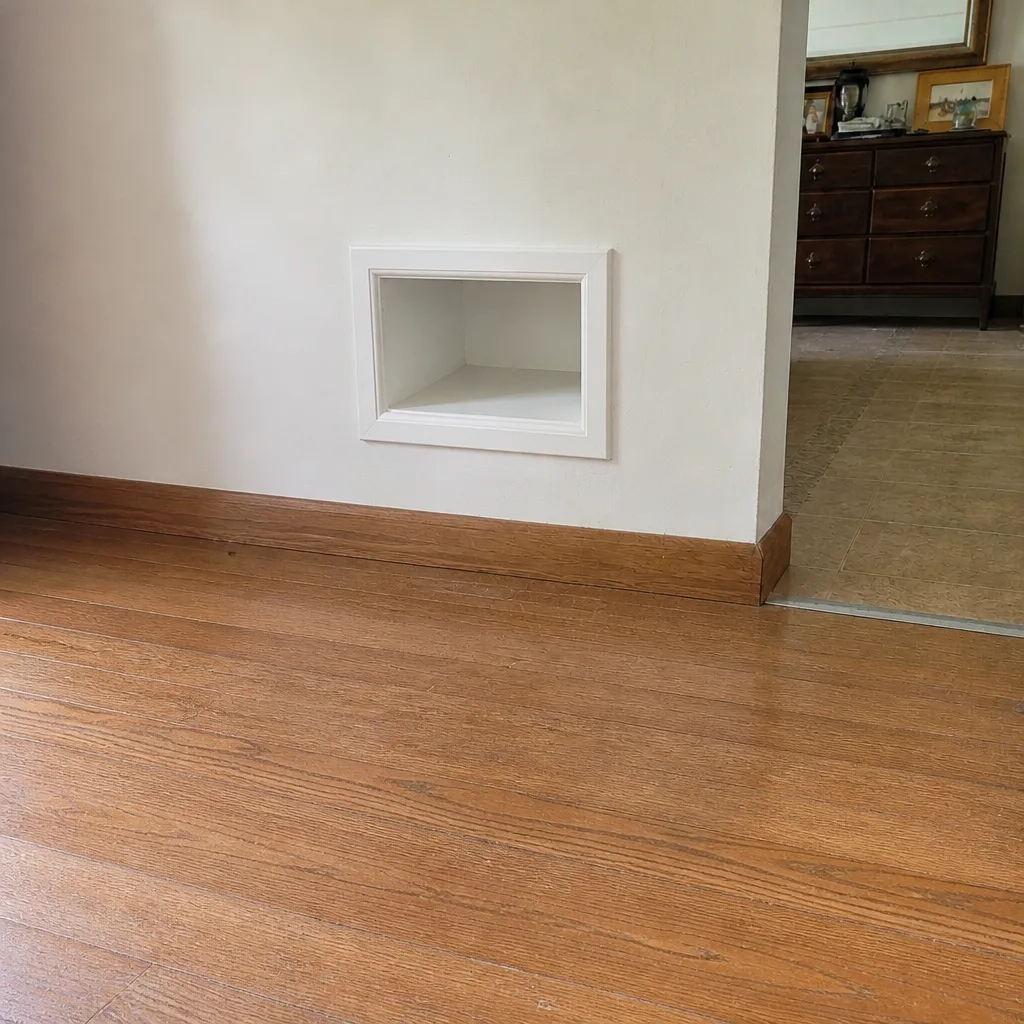 After
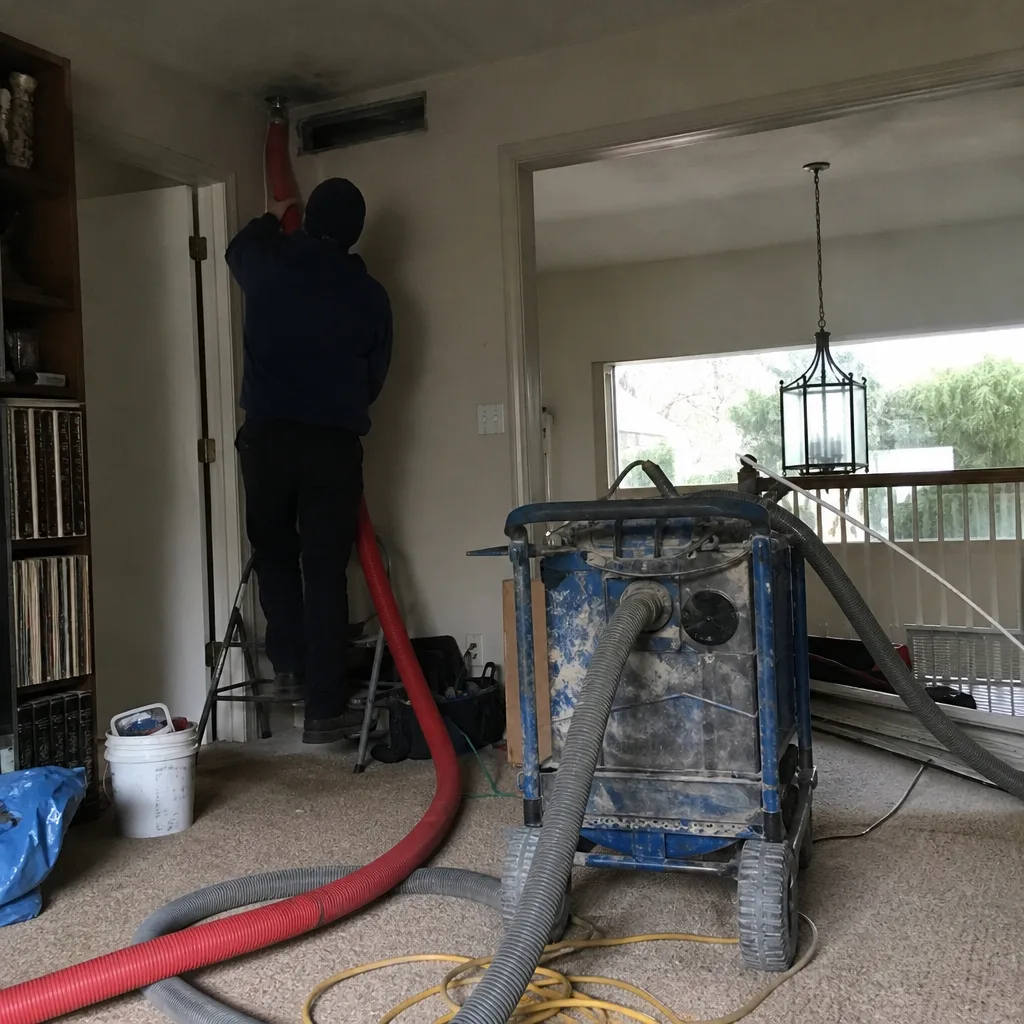 Before
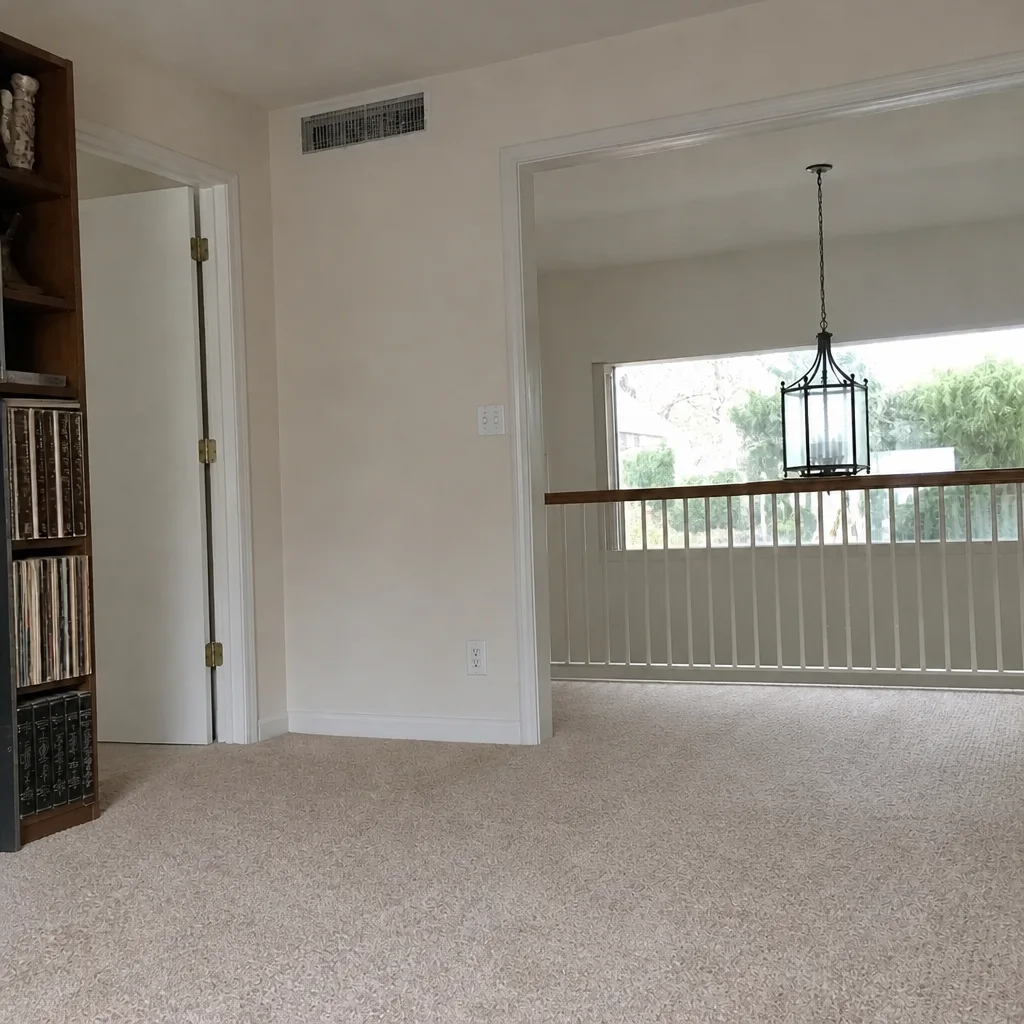 After
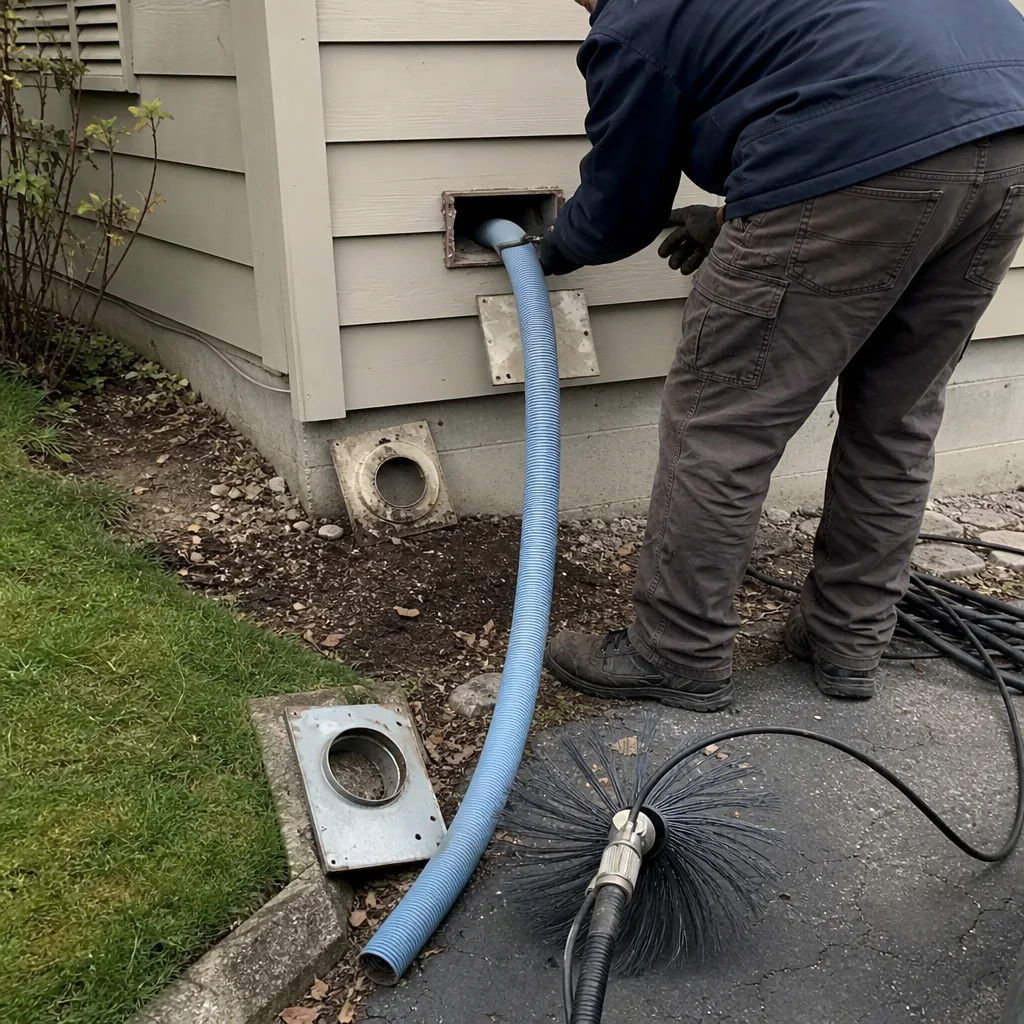 Before
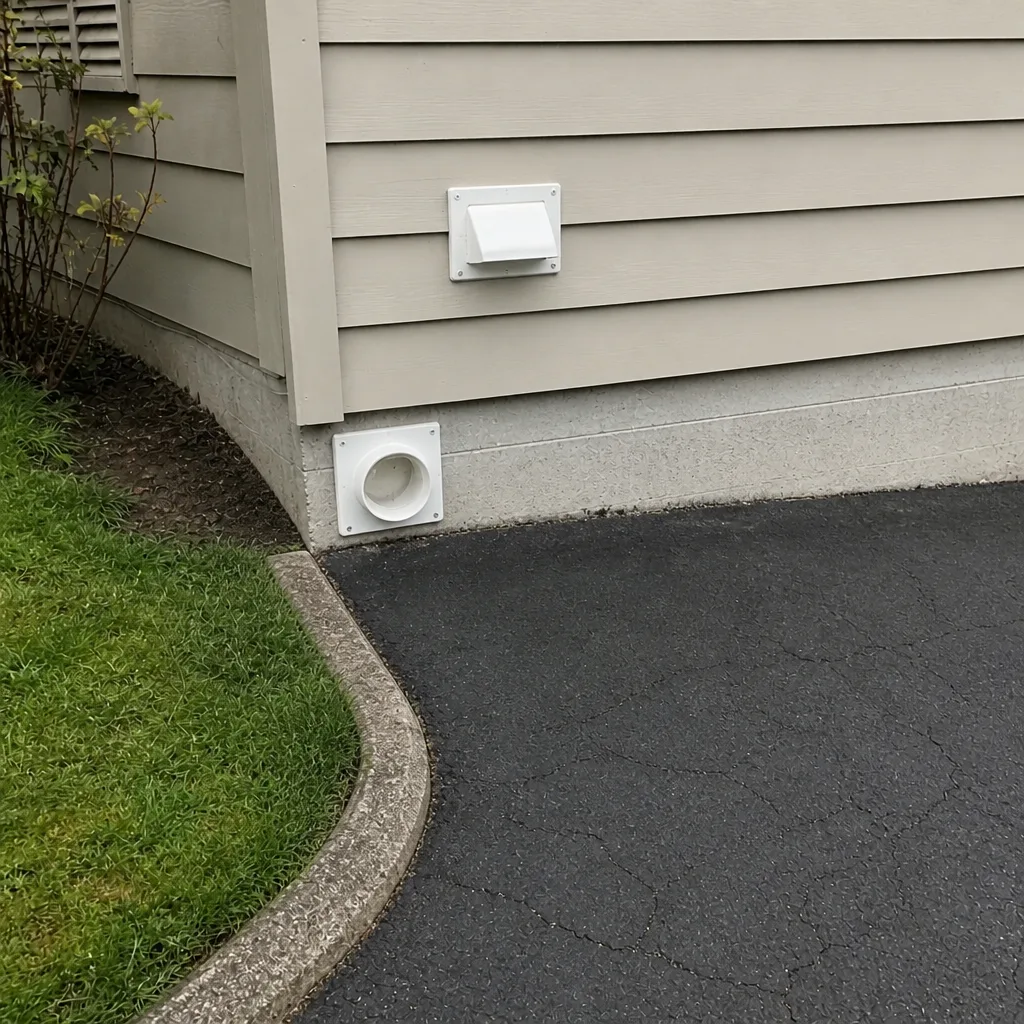 After
When to Call a Professional
Call a professional when you notice persistent dust buildup on registers and vents within weeks of cleaning them yourself, when airflow from some rooms feels noticeably weaker than others, when you can see debris or dark buildup inside any register during a flashlight check, when you’re moving into a home with unknown duct history, or when you haven’t had the dryer vent cleared and your dryer’s lint screen fills faster than it used to. Also call if anyone in the house has allergies or respiratory symptoms that seem to worsen when the HVAC runs. Kirkland Air Duct Cleaning offers free estimates in Kirkland – call (855) 812-5163. We answer 24/7. Fast dispatch from 7am to 7pm, Sunday through Friday. Our technicians have up to 11 years of experience, and we work with professional-grade equipment from Rotobrush, Nikro, and Abatement Technologies.
Frequently Asked Questions
Run the contractor’s license number on the Washington State L&I website before you book. You’re looking for an active status, a business name that matches the quote, and general liability coverage in force. Ask for the license number directly – a legitimate contractor provides it without hesitation.
NADCA membership means the contractor has committed to the National Air Duct Cleaners Association’s source-removal standard, which requires assessment before cleaning and a defined protocol during. It’s not a perfect guarantee, but it filters out operators who work without any industry framework. Ask the direct question: “Are you currently a NADCA member?”
Either can work if the equipment is professional-grade. What matters is the combination of rotary-brush agitation, HEPA filtration, and negative-air containment. A truck-mounted vacuum is powerful but doesn’t replace the brush-and-HEPA combination inside the duct. Ask which brand and class of equipment will arrive, and don’t accept a shop vac as an answer.
Your quote should be a flat price per system, not per vent, and it should list the pre-inspection scope, the cleaning method and equipment class, register sealing protocol, air handler coverage, and any optional add-ons separately. The written estimate sets the final price. Anything with a teaser number on it is a red flag – ask what’s actually included before you commit.
Most homes here do well with a cleaning every two to four years, but the number depends on the home: pets, recent renovation, moisture issues, and duct condition all shift the interval. A proper pre-inspection tells you whether your specific system needs it now. Call (855) 812-5163 for a free estimate and a straight answer.
At minimum, before-and-after photos of your own ducts, pre-inspection notes, and a post-cleaning airflow check. Repairs should be documented in writing, and the final invoice should match the quote. If any of those are missing, ask – a professional provides them without being chased.
Sometimes yes. Leaks, disconnections, and gaps can often be sealed or repaired as part of the visit or documented for follow-up. Ask about duct repair and sealing capability before you book, because some cleaners only clean. If the contractor you’re vetting can’t repair what they find, they’ll hand you off mid-problem.
The Bottom Line
Hiring a duct cleaner in Kirkland comes down to three credential checks and one conversation. Verify NADCA membership, an active Washington State contractor license, and the equipment class (rotary brush, HEPA vacuum, negative-air filtration – not a shop vac). Then ask the pre-booking questions and read the quote carefully. One flat price per system, written down, agreed before work starts. Photos of your own ducts without being asked. A dedicated dryer vent scope. Any contractor who can pass those checks and answer those questions is worth trusting with your system – and if you want to see what a full-system specialist looks like, start with Kirkland Air Duct Cleaning. For a free estimate, call (855) 812-5163. We answer 24/7. Fast dispatch from 7am to 7pm, Sunday through Friday.
Written by the team at Kirkland Air Duct Cleaning.