
Last updated November 25, 2026
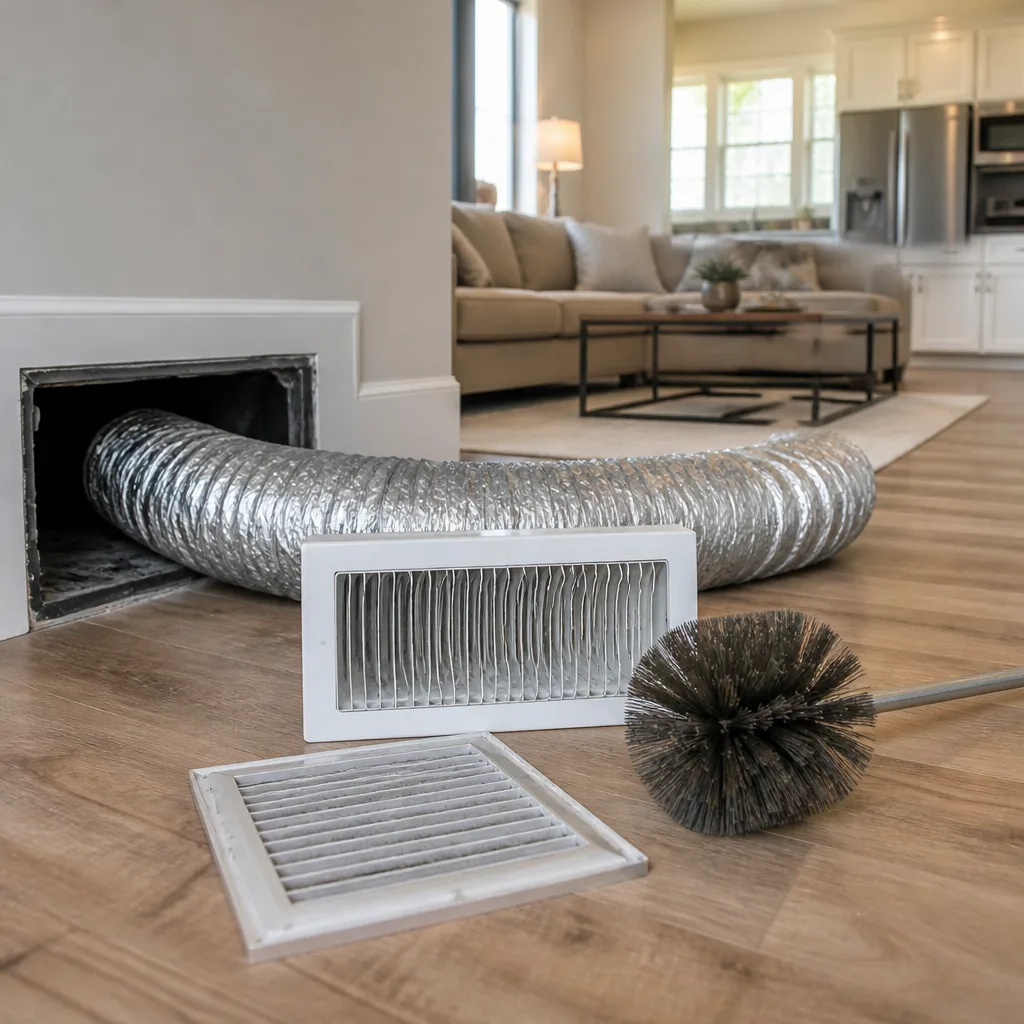 Whole-home duct cleaning
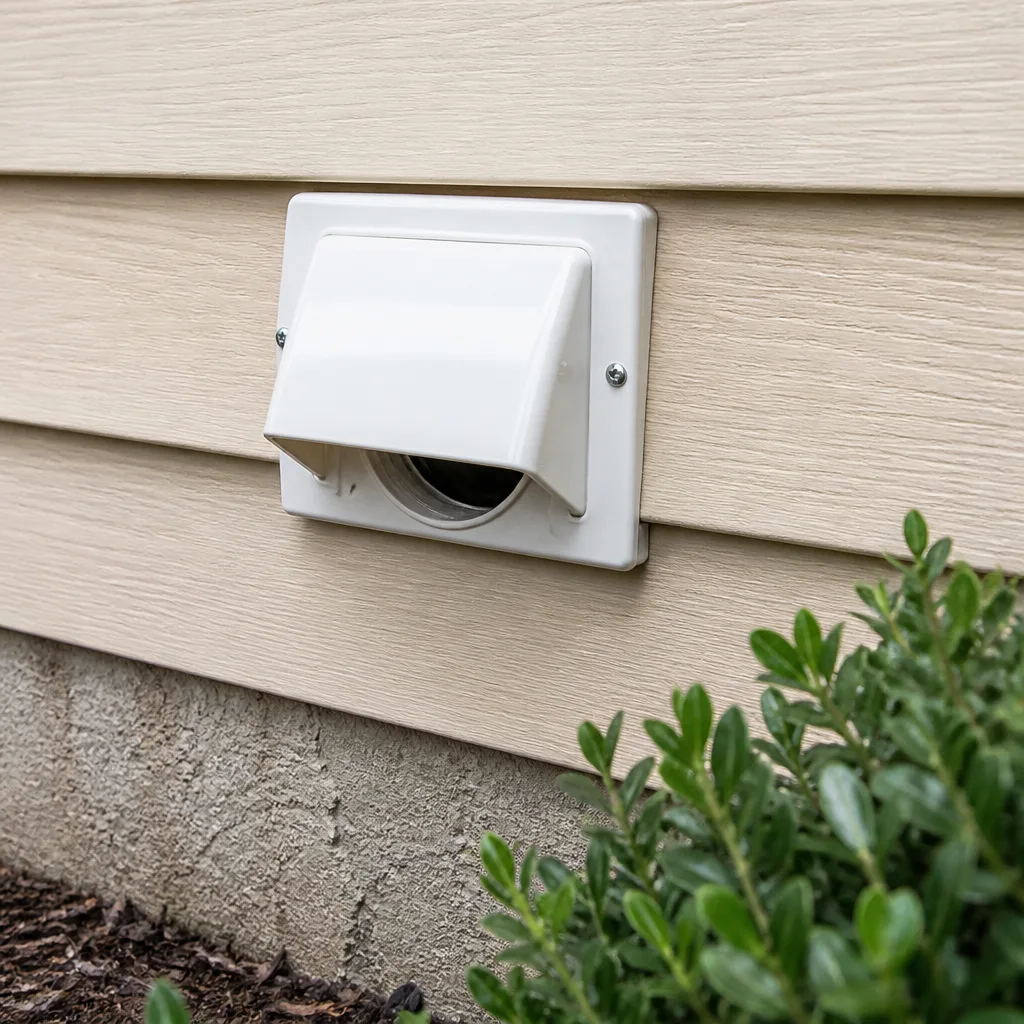 Dryer vent cleaning
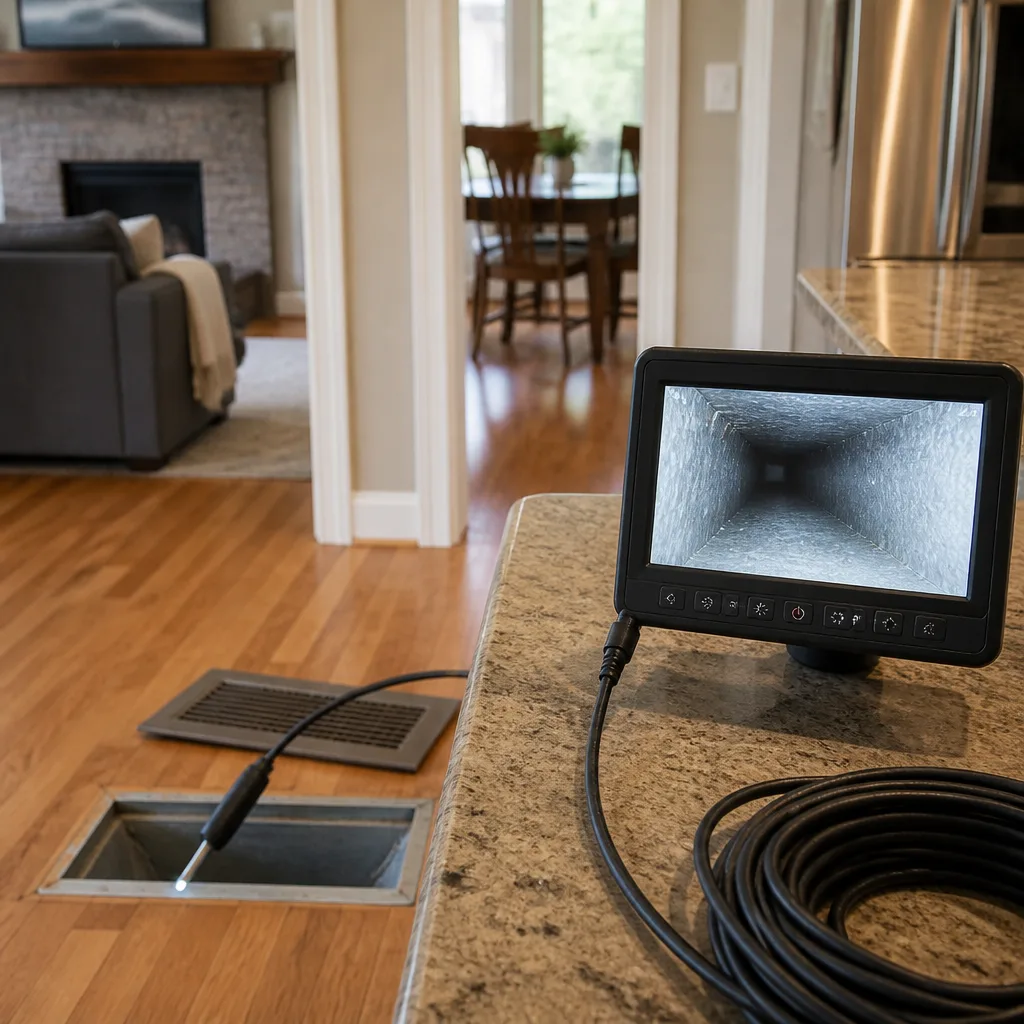 Camera inspection
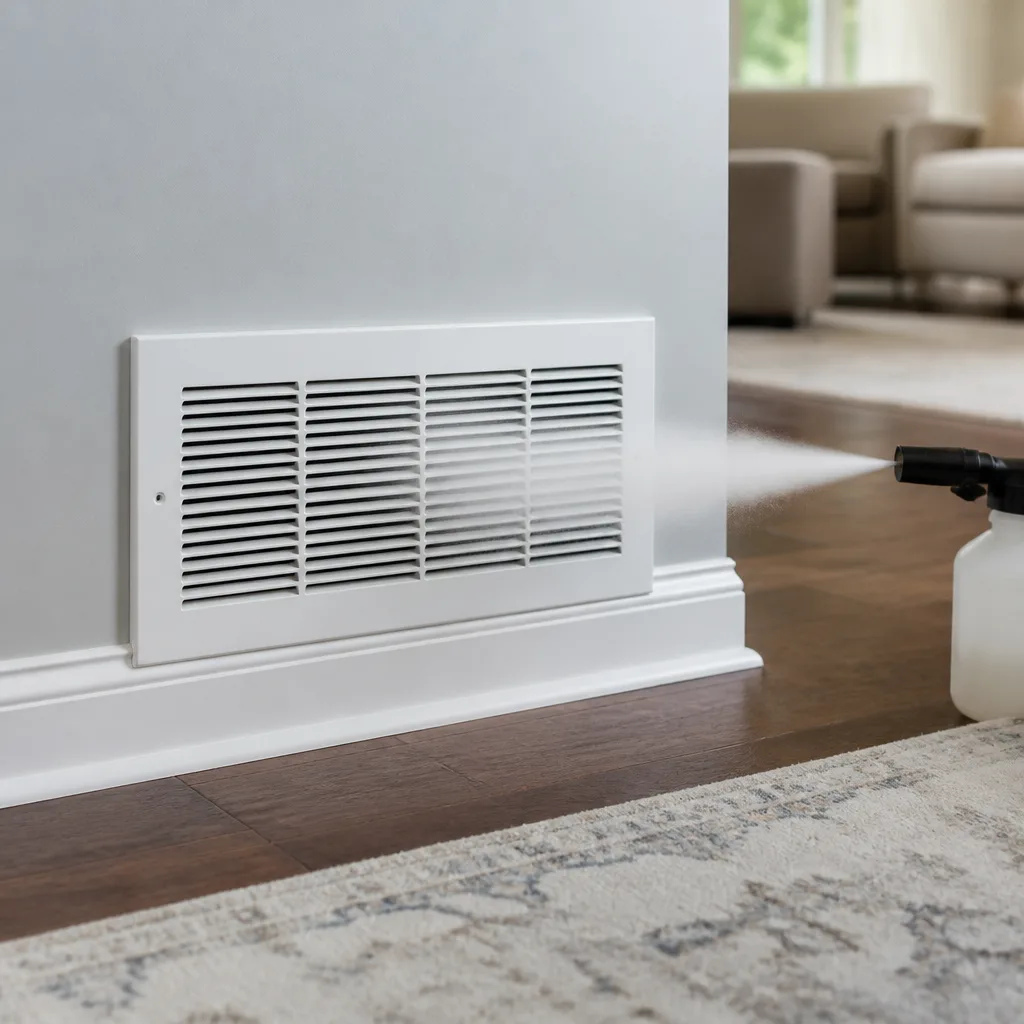 Sanitizing & deodorizing
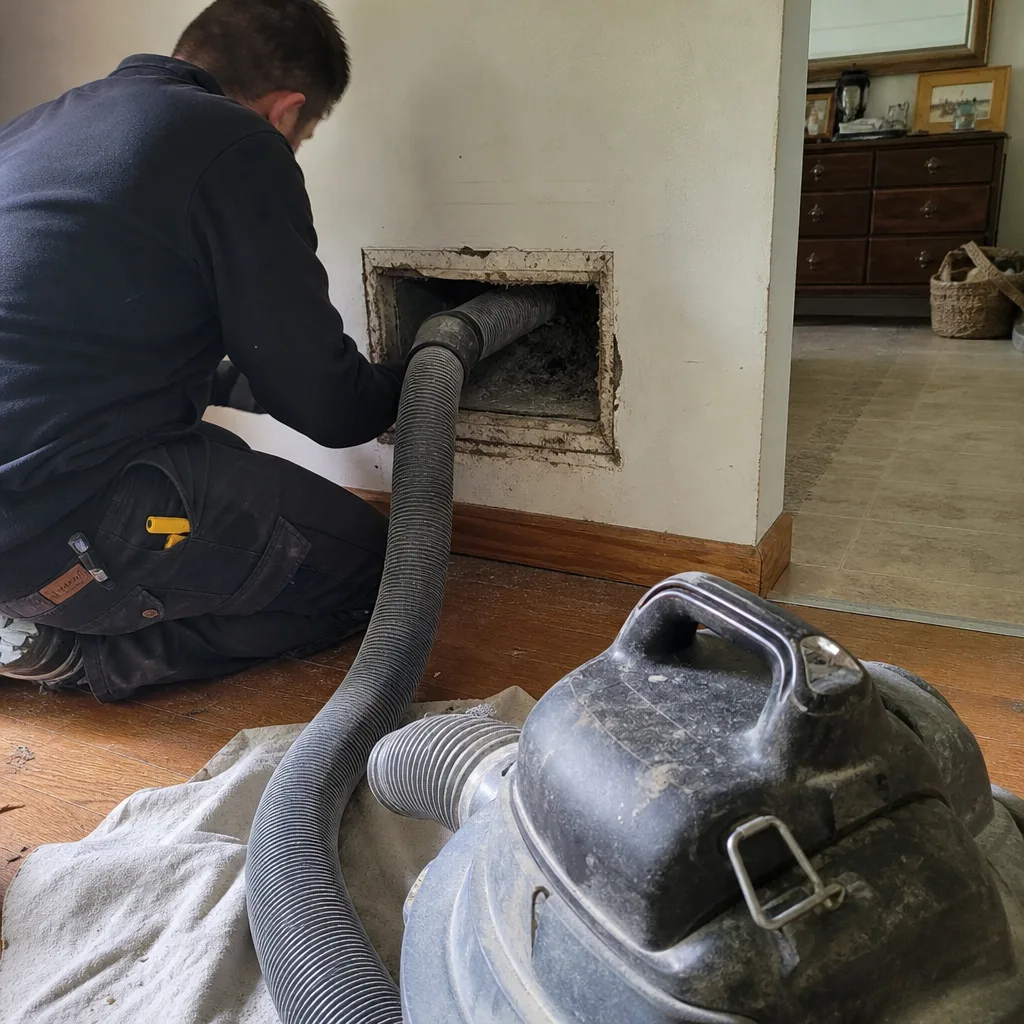
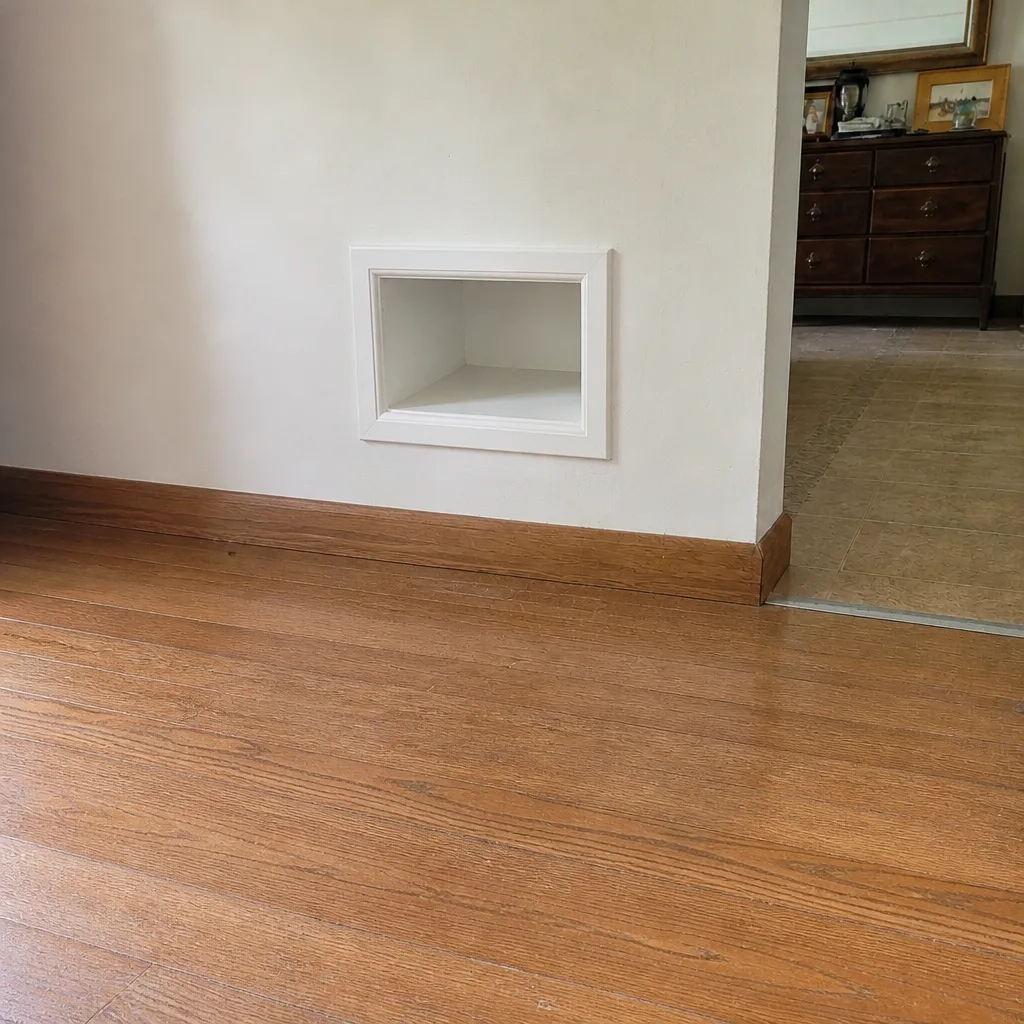
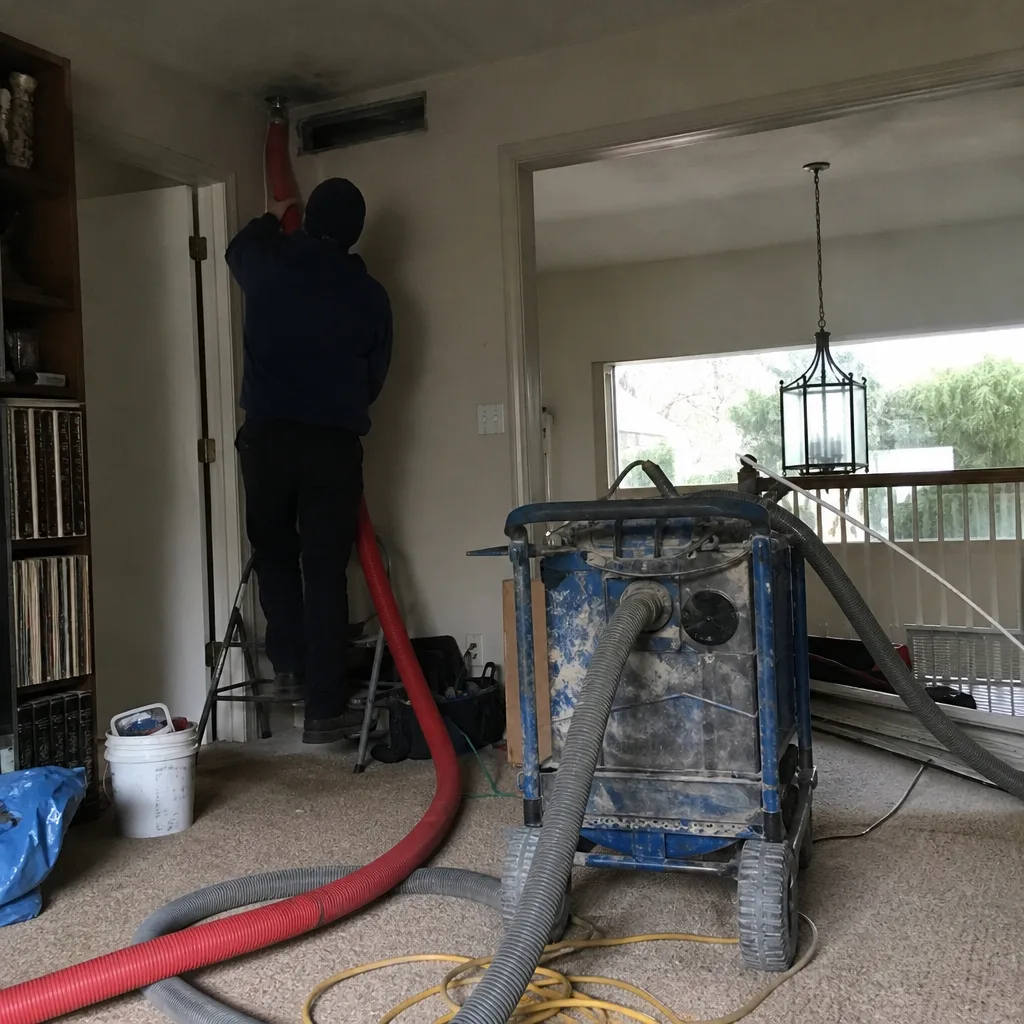
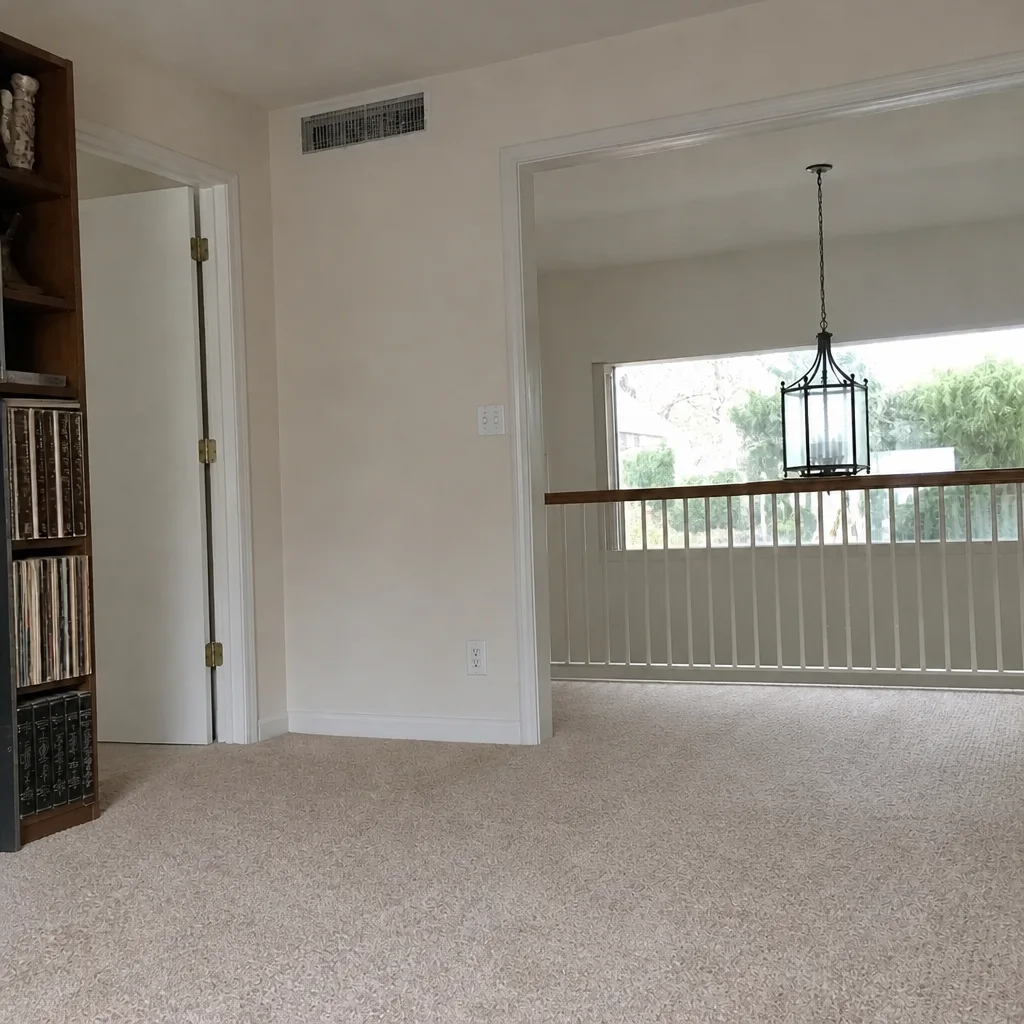
Whole-system duct and dryer vent check with before-and-after photos - you see exactly what came out of your vents
That "$99 whole-house special" is a bait ad - the real number appears once they are in your hallway, or the "clean" is a shop-vac at the register. We photograph the inside of your ducts before and after instead.
Air Duct Cleaning Maintenance Checklist for Kirkland Homeowners
Replacing a filter on schedule while ignoring the return-air box it feeds is like changing your car’s oil but never checking the intake. The interval tells you nothing without the system context around it. Most Kirkland homeowners we talk to are diligent about filters and still surprised to learn how much debris sits downstream of the slot they slide a new pleated panel into. This guide gives you a living checklist: what to inspect, what to write down, and what to hand a contractor before any work starts. You’ll find a room-by-room walkthrough, the indicators worth logging at each visit, and the Kirkland-specific events that should move your maintenance schedule forward. Think of it as a maintenance record for your duct system, not a calendar reminder.
Quick Answer
A practical duct maintenance routine for a Kirkland home has three layers: a monthly filter and register check you do yourself, a seasonal walkthrough that logs airflow, odor, and debris at each vent, and a professional assessment on a schedule driven by what your log shows plus local triggers like wildfire smoke seasons and home renovations. The checklist works because it tracks conditions over time instead of guessing at fixed intervals. Cleaning when the log says the system needs it beats cleaning on an arbitrary date.
Styles & brands we work with
- Whole-home duct cleaning
- Dryer vent cleaning
- Camera inspection
- Sanitizing & deodorizing
Table of Contents
- Why a Duct Maintenance Checklist Beats a Cleaning Reminder
- The Room-by-Room Inspection Walkthrough
- What to Log at Every Check: Airflow, Debris, Odor, Filter Load
- Tracking Filter Intervals Against Real Particulate Load
- Kirkland Triggers: Smoke Events, Renovations, and Water Damage
- What to Hand Your Contractor Before Work Starts
- Reading the Log: When the Record Points to Repair or Sealing
- How Often Professional Duct Cleaning Actually Fits Your Record
Why a Duct Maintenance Checklist Beats a Cleaning Reminder
Air ducts don’t fail on a schedule. They degrade gradually, and the conditions that drive the degradation vary by season, by neighborhood, and by whatever happened in the house six months ago. A cleaning reminder fits a habit that assumes all systems age the same way. A maintenance checklist gives you a record, and a record lets you catch change while it’s still cheap to correct.
That gap between a reminder and a record matters more than it sounds. When a homeowner calls us with a log showing a register in the second-story hallway has gone weak over two seasons, the technician arrives knowing where to look. The return-air box gets checked first, seams get inspected, and the crawl space branch line gets a closer pass. That’s a different visit than a straight vacuum job, and it’s how Kirkland Air Duct Cleaning approaches a duct system: diagnose before you clean. Skip the record and every visit starts from zero.
Kirkland’s housing stock adds to the argument. Much of the city’s residential inventory spans mid-century builds through newer eastside construction, and the duct layouts differ dramatically between them. A 1950s forced-air system retrofit is often an entirely different animal from a modern build with a well-sealed trunk. The checklist you keep has to reflect your own house, not a generic interval pulled from a box.
- A reminder asks: “Is it time to clean?”
- A record asks: “What changed since last time, and why?”
- The first question is easy to answer wrongly.
- The second question leads to the right work.
Keep the record in a folder, a note on your phone, or a printed sheet taped inside the furnace closet door. The format doesn’t matter. The habit does. And the habit is what turns duct care from a reactive purchase into a maintenance cycle.
The Room-by-Room Inspection Walkthrough
Do this walkthrough once a season: at the start of heating season and again before summer cooling. It takes 20 minutes in most homes and needs nothing but a flashlight, a notepad, and a few minutes per room. You’re not diagnosing the system; you’re observing and logging what you see.
- Walk each room with a supply register. Hold your hand over the vent and note if the airflow feels strong, moderate, or weak compared to the same vent last season. Write it down.
- Shine the flashlight into the register grill. Look for dust accumulation, lint clumps, or any visible debris on the interior walls just past the grill. Note the color and amount.
- Check the return-air grille in each zone. Returns collect more than supplies because they pull air in. Note filter condition if the return has one installed.
- Sniff near the vents. A musty, dusty, or faintly sour odor near a register is worth logging. So is a smell that only appears when the fan runs.
- Look at the register grill itself. Uneven dust stripes or a heavier dust line along one edge often signals a duct leak or a loose connection just past the boot.
- Note any room that feels stuffier or warmer than the rest. Airflow imbalance shows up first as a comfort complaint, not as a visible problem.
- Check the filter and write down its condition. Not just “changed”; note how dark or loaded it looks on the replacement date.
Do this a few times and the walkthrough becomes second nature. You’ll notice the Kirkland spring pollen weeks show up as faster grill dusting, and you’ll start to see how the log ties together across rooms. That’s the goal: trends, not single observations.
Rooms on slab and rooms over a crawl space often behave differently. Kirkland has plenty of both. A crawl-space branch line that develops a small disconnect will show up in the room above as weaker airflow and heavier grill dusting before the problem surfaces anywhere else.
What to Log at Every Check: Airflow, Debris, Odor, Filter Load
Four indicators give you a complete picture of duct system health over time. Log each one at every check and the progression will tell you more than any single inspection. Professionals use the same indicators; use them yourself and you’ll be speaking the same language when the technician arrives.
- Airflow balance. Note relative strength at each register: strong, medium, weak. The number that matters most is any register that changes rating since the last log. A single drop in a single room points at a specific branch or boot problem.
- Visible debris at registers. Record what you see: fine grey dusting, dark lint, pet hair, or building debris like drywall dust. Each suggests a different source. Drywall dust means a renovation nearby; lint means the return-air path is pulling soft material through the system.
- Odor presence. Log when the smell appears and what it resembles. Musty suggests moisture somewhere in the system. Chemical or burnt smells deserve immediate attention and an HVAC call. A faint dusty smell on first fan start is normal after a filter change.
- Filter load rate. Note how dark the filter looks at replacement. A filter that goes dark in two weeks tells you particulate load is high; a filter that stays pale after three months tells you the load is low and you can extend the interval.
Log dates, not just observations. “Weak in the guest room” doesn’t help; “weak in the guest room since the February check, was strong in October” is diagnostic gold. That’s the difference between a note and a record.
Keep the log with your HVAC equipment notes: filter size, thermostat settings, service dates. That’s the folder you’ll hand to a technician, and it’s the difference between a warm greeting and blank stares. Professional crews using Nikro HEPA collection equipment and Abatement Technologies filtration can work faster and more accurately when they know what’s already been observed.
Tracking Filter Intervals Against Real Particulate Load
The filter interval on the side of the box is a starting point, not a rule. A 90-day replacement schedule fits an average load. Kirkland homes often see loads well above average during pollen seasons, wildfire smoke periods, or a neighbor’s renovation. Tracking real particulate load means replacing based on what the filter actually looks like, not on the calendar.
Here’s a practical way to build that track:
- Start with the manufacturer’s interval. If yours is a standard 1-inch filter, that’s typically 60 to 90 days; thicker media filters often run longer.
- Inspect the filter every 30 days. Pull it out, hold it to a light, and note how much light passes through.
- Log the date and appearance. “Dark grey, light blocked, day 45” tells you the real interval for your house.
- Adjust the schedule to hit a visible change around 70% loading. When it’s loaded but not collapsed, note the day count.
- Watch for seasonal shifts. Kirkland’s spring pollen months and late-summer smoke events will compress the interval; winter usually extends it.
- Replace, don’t blow out. Compressed air and shop vacuum nozzles damage filter media and reduce capture efficiency.
Three seasons of logs give you a working model. You’ll know that a certain winter filter runs 90 days while the same filter in August needs replacement at 30. That model carries into your duct maintenance schedule too. A filter loading fast is a signal that the system is pulling heavy particulate, and understanding where it’s coming from changes what the professional assessment should focus on.
While you’re tracking filters, look at the return-air box the filter feeds. Dust buildup on the box panels, gaps around the filter slot, and a visible dust drift on the furnace face downstream of the filter all signal that the filter alone isn’t capturing everything. That’s the intake check the dealership does that most homeowners never think to do.
Kirkland Triggers: Smoke Events, Renovations, and Water Damage
Some conditions compress your maintenance schedule regardless of what the log says. Kirkland sees all three of the major triggers within a typical five-year span, and each one should reset the clock on duct inspection and cleaning.
Wildfire smoke events
Summers in Kirkland bring periods of poor air quality from regional wildfire smoke. Smoke particles that smell fine when the windows are shut still travel through duct systems on every fan cycle. After a sustained smoke event, accelerate the filter replacement interval, log register dusting more closely for the following month, and consider moving professional cleaning forward if the system hasn’t been assessed in the last two years. Filtration products from Honeywell and Aprilaire can upgrade the system’s ongoing capture capacity.
Post-renovation
Any renovation inside the home – flooring, drywall, painting, cabinetry – pushes fine construction dust through the duct system within days. Even a well-sealed job site leaves drywall dust, fiberglass, and sawdust that travels. Schedule air duct cleaning after the project wraps and after the finishing dust settles, not before. Log the room near the renovation for the following month; that’s where airflow problems surface first if a boot got bumped or a branch line disconnected.
Post-flooding or water intrusion
Any water intrusion event in a Kirkland home – a burst pipe, an appliance leak, a roof leak during an atmospheric river – should prompt a duct inspection within weeks. Moisture in a duct system is a genuinely different problem from dust, because it supports biological growth. A musty smell after a leak is worth investigating immediately. This is one trigger where waiting is not the right call.
- Wildfire smoke: accelerate filter changes; log register dusting weekly for one month.
- Renovation: schedule cleaning once dust settles; log affected rooms for 30 days.
- Water intrusion: inspect within two weeks; a musty smell is a call-now signal.
Each of these events is a real reason to deviate from your normal interval. Log the trigger, log the response, and the record shows why any unplanned work happened.
What to Hand Your Contractor Before Work Starts
The best visit starts with baseline data. When you can hand a technician a log showing which registers weakened, when, and under what conditions, the assessment becomes targeted rather than generic. That’s the difference between arriving to clean and arriving to diagnose.
Assemble a simple packet before any professional visit:
- Your register log. The room-by-room airflow and debris notes from at least the last two walkthroughs.
- Filter replacement history. Dates of replacement, filter type, and appearance notes for the last 12 months.
- Trigger events. Dates of renovations, wildfire smoke periods, water intrusion, or anything that changed dust or odor in the home.
- HVAC service records. Last furnace service, any repairs, any equipment upgrades.
- Photographs of register interiors taken during your walkthroughs. Even phone photos help; they show debris patterns over time.
The technician can compare your recorded baseline to what’s visible now. That comparison is where real value sits. It’s how HVAC cleaning gets scoped correctly, how duct repair and sealing opportunities get identified, and how sanitizing decisions get made on evidence rather than a sales pitch.
Ask the contractor which equipment they use. Professional-grade equipment from names like Rotobrush, Nikro, and Abatement Technologies is industry-standard for a reason: it captures dislodged debris at the source rather than moving it around the house. Consumer-grade vacuums and dry-vac shortcuts push fine particulate into the living space. You don’t need to know the model numbers; you do need to hear the names.
Reading the Log: When the Record Points to Repair or Sealing
Cleaning isn’t the only maintenance action your log will surface. Some patterns point to physical problems in the duct system that cleaning can’t solve. A leak, a disconnection, or a crushed section will keep producing the same symptom no matter how often the system gets cleaned. Here’s how to read the signs.
- A repeated airflow drop in one room points to a branch, boot, or disconnect problem. If cleaning twice hasn’t restored the register, the duct itself is the issue.
- Dust stripes at the register boot edge suggest a leak. Air escaping at a joint pulls dust from the cavity around the duct and deposits it on the register face.
- Persistent odor after cleaning points to moisture or a disconnected return pulling from a cavity. That’s a repair call, not another cleaning.
- Increasing filter load in a system you’ve recently cleaned signals ongoing particle intrusion from a leak. Clean systems should stay cleaner; if the log shows otherwise, the ducts are leaking.
- Uneven heating between near and far rooms points to a duct system that’s losing conditioned air before it arrives.
We repair what we find. That’s why our technicians carry the diagnostic and the fix on the same visit: an airflow problem that turns out to be a disconnected branch line gets repaired and resealed on the initial assessment, not after a second visit. One provider handles the diagnostic (inspection, repair, sealing) and the remediation (cleaning, sanitizing), and no handoff gap exists between a cleaning crew and a repair crew.
Sealing matters for efficiency too. A duct system in a Kirkland home with 10% leakage is paying to heat or cool the crawl space instead of the living room. Small leaks compound across the whole system.
How Often Professional Duct Cleaning Actually Fits Your Record
There’s no single right answer. The interval that fits a Kirkland household with two pets and a recent renovation is different from one that fits a single-occupant home with a well-sealed system. Use the log to decide. If the record shows steady conditions, three to five years between professional cleanings is a reasonable baseline for a home with regular filter maintenance. If it shows one of the triggers, accelerate.
Here’s how to read the record and pick a timing:
- Steady log, no triggers, clean filters: three to five years between professional cleanings is reasonable.
- Steady log but recent renovation, smoke event, or water intrusion: schedule within six months of the event.
- Rising filter load trend without a known source: schedule an inspection soon; the source is probably a duct leak.
- Persistent odor, visible debris at registers, or recurring airflow problems: schedule an assessment now; cleaning alone may not be the right answer.
- Dryer vent: a genuinely different schedule. See below.
Duct cleaning and dryer vent maintenance don’t share a cycle. Dryer vent cleaning is a dedicated fire-safety service, and it should be done whenever the vent shows sign of lint accumulation: a dryer that takes longer to dry, a vent flap that doesn’t open fully, visible lint at the exterior termination, or roughly once a year for most households. Most cleaners treat dryer vents as an afterthought or skip them; we don’t. dryer vent cleaning deserves its own calendar slot.
If your log shows signs that the system needs an assessment, or you want a second opinion on the record you’ve built, that’s a good moment to involve a professional. Our technicians have up to 11 years of experience reading exactly this kind of data.
Common Mistakes to Avoid
- Replacing the filter without ever checking the return-air box. The box behind the filter slot is where particulate accumulates first. If you’re not inspecting it, you’re changing filters blind.
- Cleaning the ducts on a fixed calendar with no log. A three-year cycle that ignores actual system conditions either wastes money or misses real problems. The log decides timing, not the calendar.
- Skipping the register walkthrough because nothing looks wrong. Airflow drops are almost invisible until they’re already causing comfort complaints. The walkthrough catches them while the fix is small.
- Cleaning right after a renovation, before dust has settled. Schedule the cleaning for when the fine dust has stopped being generated, not while the last coat of paint is drying. Early cleaning just gets redone.
- Treating a dryer vent like a “while you’re here” add-on. A clogged dryer vent is a fire risk. It gets its own assessment with proper equipment, not a quick vacuum at the wall.
- Ignoring a musty smell after water intrusion. Moisture in the duct system is a different class of problem than dust. Log it, investigate it, act on it.
- Hiring a cleaner who won’t say what equipment they use. Professional-grade equipment from named brands is the baseline. A provider who won’t name their tools isn’t ready to work on your system.
See the difference
 Before
 After
 Before
 After
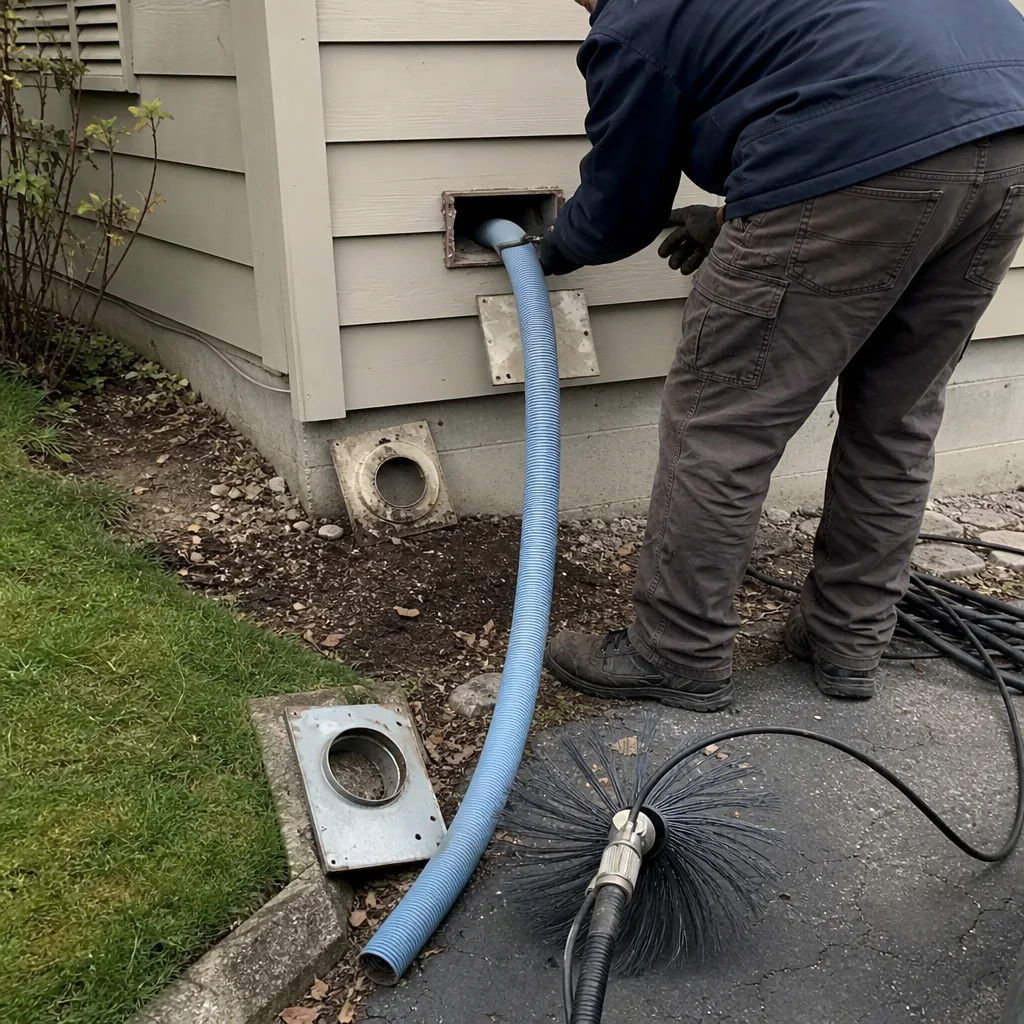 Before
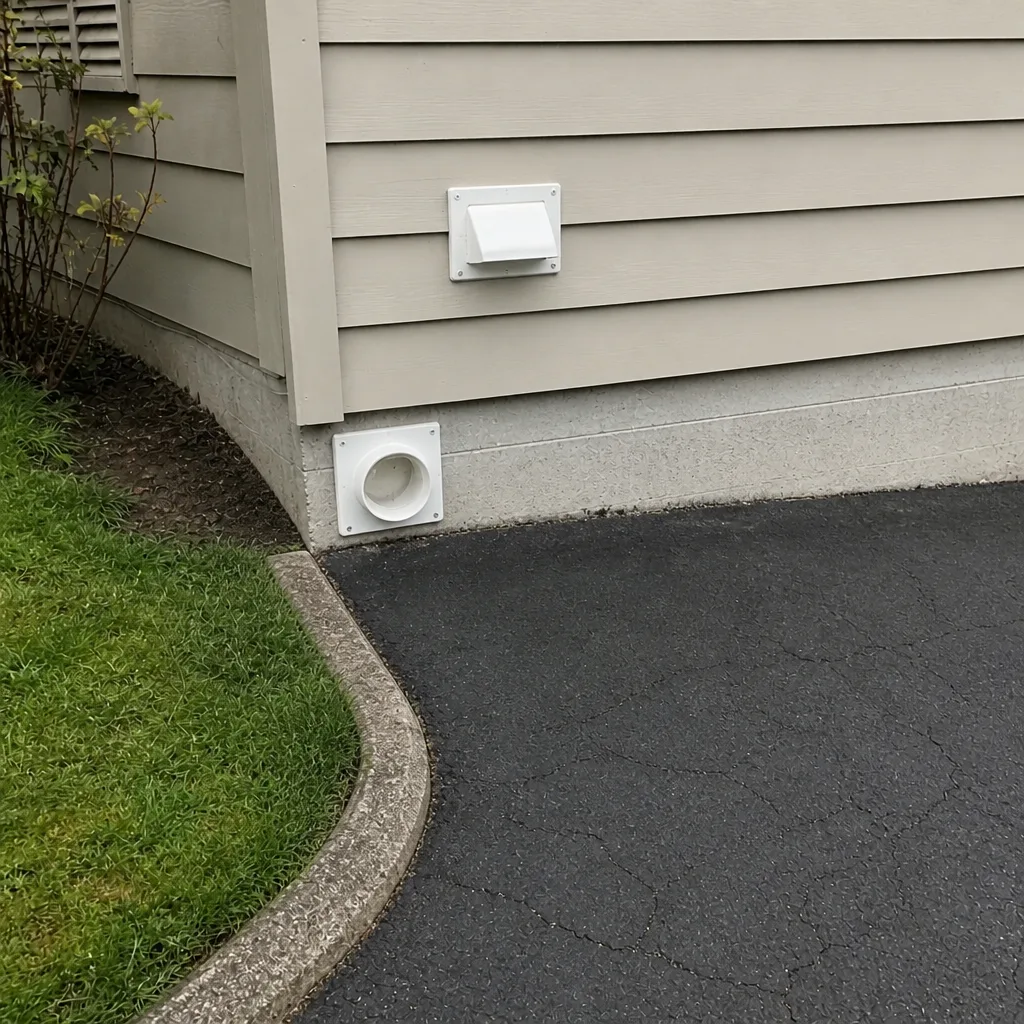 After
When to Call a Professional
Call when your log shows conditions you can’t resolve yourself. That includes any persistent musty odor after water intrusion, any airflow drop that hasn’t restored after cleaning, visible debris streaming from registers, a dryer vent that’s taking more than a cycle or two longer than usual, or an accelerated filter load trend that suggests a duct leak. Any of these are reasons to bring in an assessment rather than extend the DIY checklist.
Kirkland Air Duct Cleaning offers free estimates in Kirkland. Call (855) 812-5163 to book an assessment. We answer 24/7. Fast dispatch from 7am to 7pm, Sunday through Friday.
We work with professional-grade equipment from recognized brands – Rotobrush, Nikro, and Abatement Technologies – and we can recommend and install air-quality products from Honeywell, Aprilaire, and Guardsman when the assessment shows that ongoing filtration or humidity control is the right next step. The local pro is licensed and insured as their state requires. One flat price per system is agreed before work starts, backed by before-and-after photos of your own ducts and a satisfaction guarantee.
Frequently Asked Questions
For a home with regular filter maintenance and a steady checklist log, three to five years between professional cleanings is a reasonable baseline. Accelerate the schedule after a renovation, a sustained wildfire smoke event, or any water intrusion. The log, not a fixed interval, should drive the timing.
A cleaning is a single action performed on a schedule or triggered by conditions. A maintenance checklist is the record that tells you when cleaning is actually needed, and it also flags repair or sealing needs that cleaning alone won’t resolve. Both matter, but the record is what keeps the cleaning honest.
Look for patterns that repeat after cleaning: a room that keeps going weak, dust stripes at the register boot, odor that returns after sanitizing, or filter load trends that keep climbing. Those point to a leak or disconnection that a cleaning visit won’t fix, and they’re the reason to bring in a professional for an assessment.
Yes. Sustained smoke events push fine particulate through the duct system on every fan cycle, and the effects show up in your log as faster filter loading and heavier register dusting. Replace filters more frequently during smoke season, and inspect registers the following month to see whether particles settled.
Your register walkthrough log, filter replacement history, dates of any trigger events (renovation, water damage, smoke), and photographs of register interiors. Baseline data lets the technician target the assessment and skip generic checks. It also makes the written estimate more accurate.
Dryer vent cleaning is a dedicated service, not an add-on. Clogged dryer vents are a real fire risk and need proper assessment with the right equipment. Ask for it as a separate item if the vent hasn’t been serviced in the last year, or if your dryer is taking noticeably longer to dry.
Ask for before-and-after photos of your own ducts, not a stock photo. A professional provider should be willing to show what the inside of the system looked like before and after service. That’s part of what we provide, and it’s the reason the log stays useful for the next visit.
The Bottom Line
A duct maintenance checklist is a record, not a reminder. The monthly filter and register check, the seasonal walkthrough, and the log that captures airflow, debris, odor, and filter load are the four pieces that turn duct care into maintenance instead of guesswork. Kirkland’s seasonal pressures – wildfire smoke, renovation dust, and occasional water intrusion – each have a clear response written into the checklist. Read the log, act on the patterns it shows, and hand the record to your contractor before work starts. Cleaning on a schedule looks fine until the system tells you it needed something else entirely. The record is how the system tells you.
For a professional assessment grounded in your own record, call (855) 812-5163. We answer 24/7. Fast dispatch from 7am to 7pm, Sunday through Friday. Estimates are free, and the price is set per job by the written estimate.
Written by the team at Kirkland Air Duct Cleaning.