
Last updated November 25, 2026
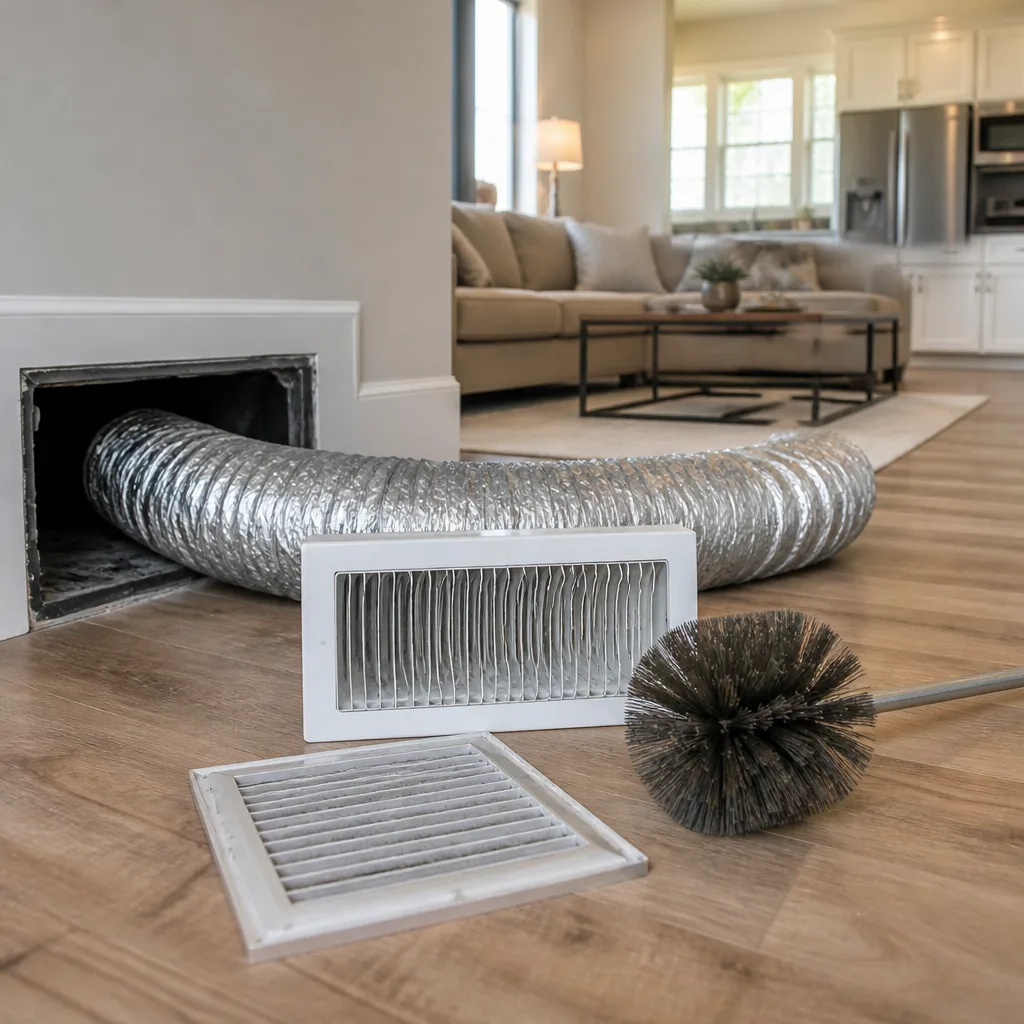 Whole-home duct cleaning
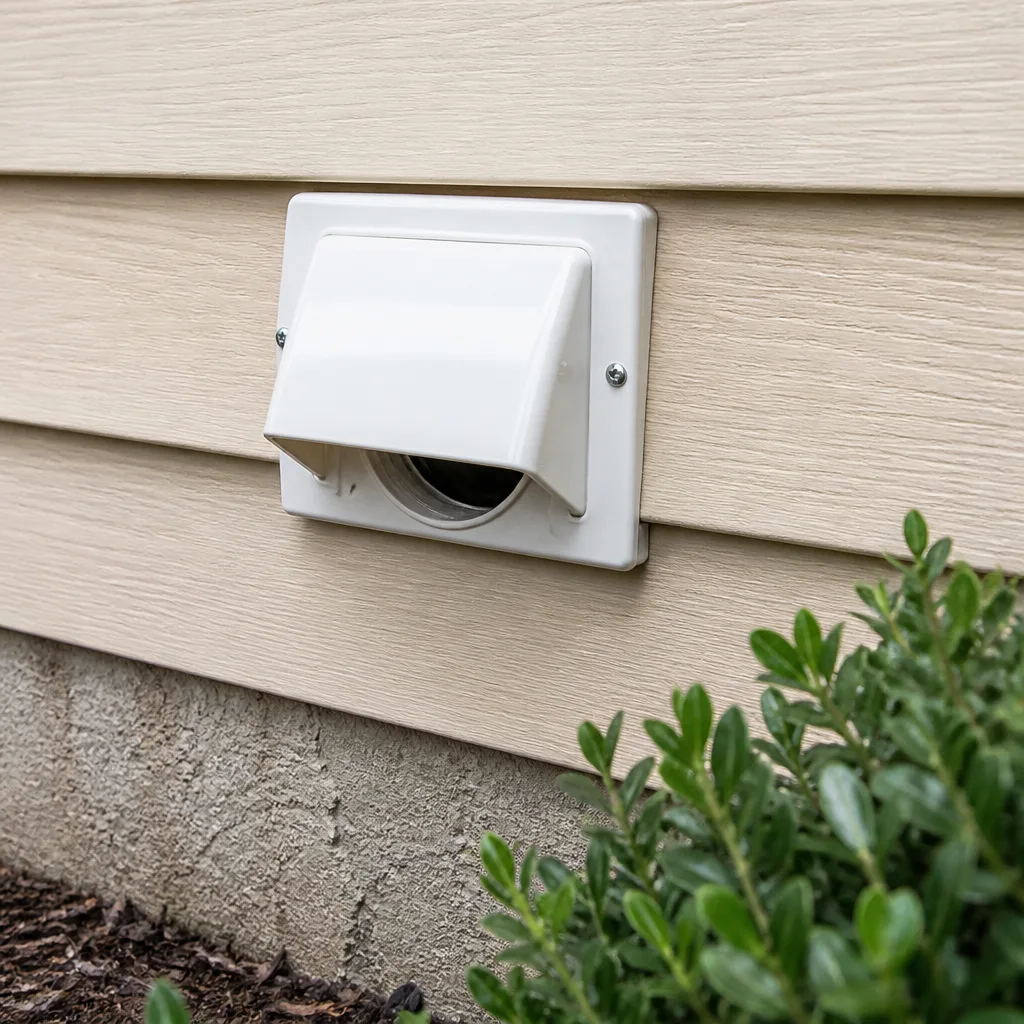 Dryer vent cleaning
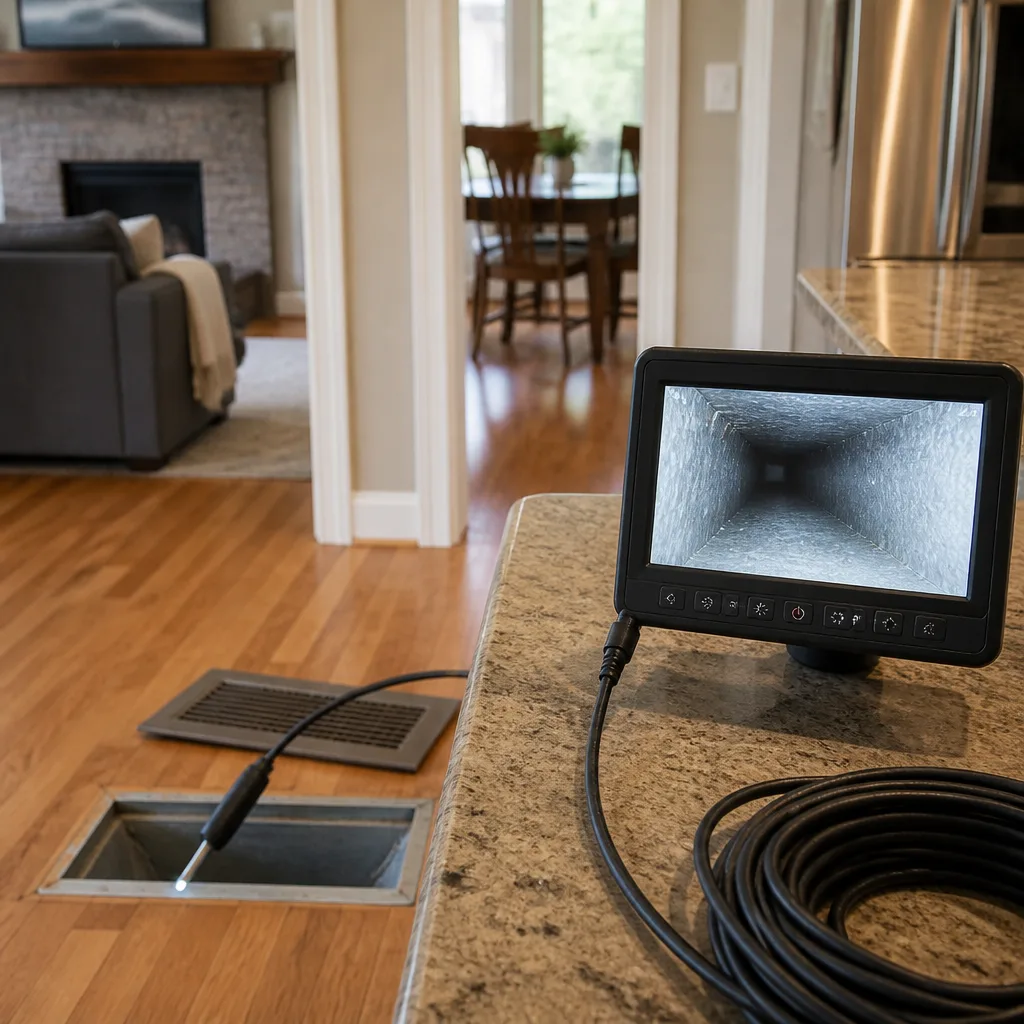 Camera inspection
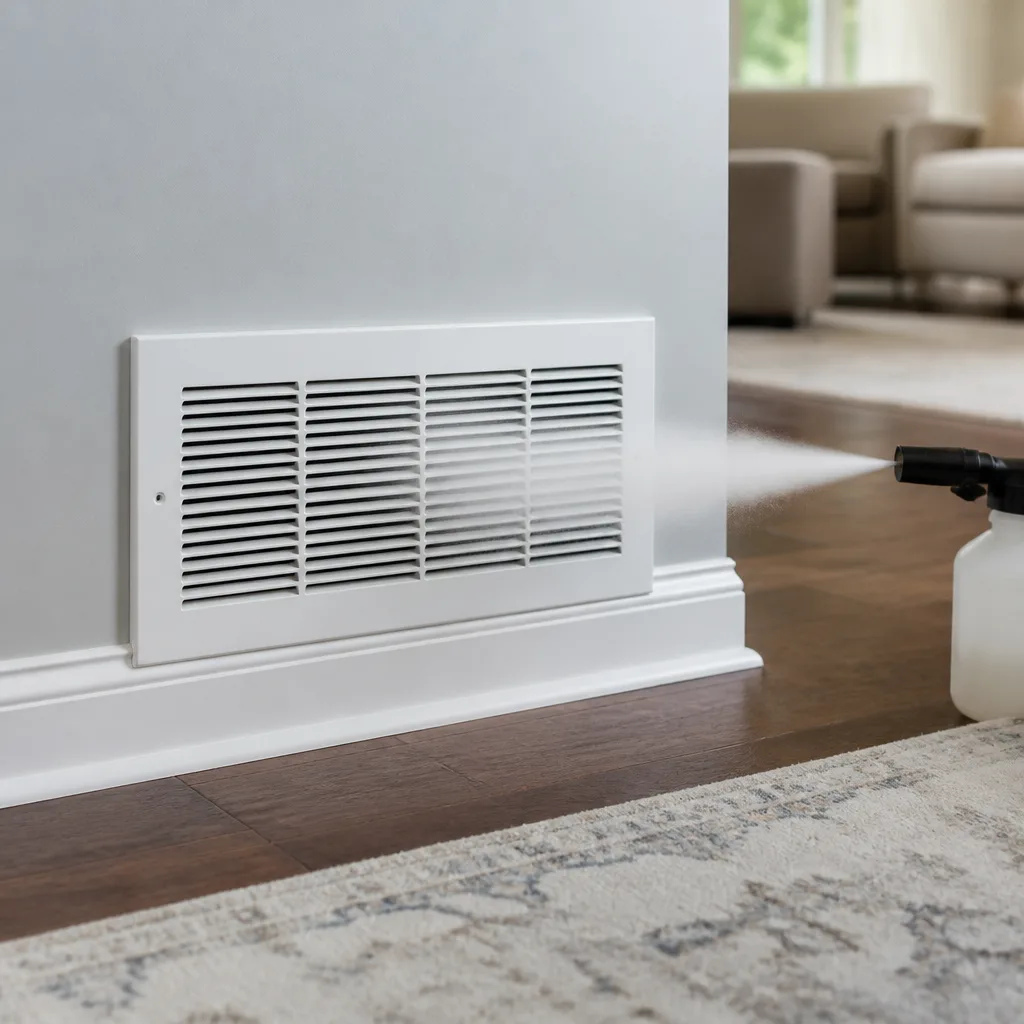 Sanitizing & deodorizing
Whole-system duct and dryer vent check with before-and-after photos - you see exactly what came out of your vents
That "$99 whole-house special" is a bait ad - the real number appears once they are in your hallway, or the "clean" is a shop-vac at the register. We photograph the inside of your ducts before and after instead.
Air Duct Cleaning Maintenance Schedule: What to Do and When
Most homeowners in Kirkland have heard the same number so many times it sounds like a law: clean your ducts every three to five years. That figure comes from guidance written long before wildfire smoke became something Pacific Northwest households plan around every summer. When smoke drifts over the Cascades and settles into the Puget Sound basin, it doesn’t stay outside. It finds its way into return-air intakes and settles into the same ducts that carry heated air through your home all winter. The three-to-five-year rule never accounted for any of that, and it doesn’t account for your pets, your last renovation, or the filter sitting in your air handler right now. This guide gives you a schedule built on those variables, so you clean when your system actually needs it. We’ll cover baseline intervals, the events that should trigger an early cleaning, what to do between visits, and how to time the work around a Kirkland year.
Quick Answer
A reasonable baseline for air duct cleaning in Kirkland is every three to five years for a typical home with no pets, no recent renovation, and a well-fitted filter. You should shorten that interval to roughly every two to three years if you have pets, and schedule a cleaning right away (regardless of the calendar) after major renovation work, a heavy smoke season, an HVAC system replacement, or a new allergy or asthma diagnosis in the household. Between professional cleanings, change your filter on schedule, vacuum registers, and keep a simple log of both.
Styles & brands we work with
- Whole-home duct cleaning
- Dryer vent cleaning
- Camera inspection
- Sanitizing & deodorizing
Table of Contents
- Why the Three-to-Five-Year Rule Is Only a Starting Point
- The Accelerated Triggers That Reset Your Schedule
- A Tiered Schedule Framework for Kirkland Homes
- What to Do Between Professional Cleanings
- Choosing a Filter Grade: MERV 8, 11, or 13
- Kirkland Seasonal Timing: Why October Matters
- How to Keep a Maintenance Record That Actually Helps
- Maintenance Cleaning vs. Remediation Cleaning
Why the Three-to-Five-Year Rule Is Only a Starting Point
The three-to-five-year interval is a useful anchor, not a schedule. It describes a house with steady occupancy, no pets, a decent filter changed on time, and no unusual dust events. Very few Kirkland homes match that description for long. The variables that actually drive how fast a duct system accumulates debris are measurable, and they change what “on schedule” means for your address.
Here’s what pushes contamination faster than the baseline assumes:
- Pets. A shedding dog or cat loads the return side of a system with hair and dander year-round, not just in spring. Pet households commonly need the shorter end of any interval.
- Renovation and drywall work. Sanding drywall, cutting tile, and pulling up flooring send fine particulate into the air, and the HVAC system is often running while it happens. A single renovation can undo years of a clean system.
- Smoke events. Wildfire smoke seasons now reach Western Washington regularly. Fine smoke particles enter through open windows, doors, and any leak in the envelope, then travel through returns and settle on duct surfaces.
- Filter grade and fit. A cheap filter that’s been in place too long, or one that doesn’t seat properly in its slot, lets debris straight past the air handler and into the supply ducts.
- Duct condition. Leaky joints, disconnected runs, and crushed flex duct in a crawlspace or attic pull in unconditioned air and whatever’s in it. Cleaning a system with open leaks is only part of the job, which is why we repair what we find.
In our experience working in Kirkland, the honest answer to “how often” is a range with triggers attached. The baseline holds until one of those triggers fires. When it does, the calendar stops mattering.
The Accelerated Triggers That Reset Your Schedule
Treat these events as a reset button. When one happens, schedule an inspection and cleaning rather than waiting out the remaining months on your baseline interval. Each one changes what’s physically inside the ducts.
- A new pet joins the household. Even a short-haired pet adds dander and hair to the return air stream. Plan on moving to the shorter interval from the day the pet arrives.
- Renovation or drywall work. Any project that generates dust, especially sanding and demolition, warrants a cleaning after the work wraps and the dust has settled. Ask your contractor to seal returns during the job where possible.
- A significant smoke event. After a heavy smoke season or a nearby fire, have the system assessed. Smoke residue and fine ash don’t always leave on their own.
- HVAC system replacement. A new air handler or furnace paired with old ducts is a mismatch. Cleaning before or right after the swap protects the new equipment.
- A new allergy or asthma diagnosis. When a household member’s symptoms move indoors, reducing settled particulate is a reasonable first move, alongside your doctor’s advice.
- Moving into a resale home. You don’t know what the previous owners did or when they last cleaned. Treat move-in as a trigger.
Notice that none of these are about waiting for a calendar date. They’re about events that load the system faster than normal living does. If two of them overlap, like a new puppy and a kitchen remodel in the same year, the case for scheduling sooner gets stronger, not weaker.
A Tiered Schedule Framework for Kirkland Homes
Here’s the framework we’d hand any Kirkland homeowner who asks for a schedule they can actually follow. It’s tiered by household conditions rather than a single blanket rule, and it’s built to be revised as your situation changes.
Tier 1: The Quiet Household
No pets, no recent renovation, a filter changed on schedule. Baseline interval of three to five years, with an inspection at the midpoint. If the inspection turns up light contamination only, you can wait longer. If it turns up leaks or disconnected runs, fix those first.
Tier 2: The Active Household
Pets, kids, a busy kitchen, or a home office that runs the system more hours than average. Move to roughly every two to three years, and lean shorter if you also had a smoke-heavy summer.
Tier 3: Post-Event Households
You’ve had a renovation, a fire nearby, a system replacement, or a new respiratory diagnosis. Schedule within a reasonable window after the event, not on the baseline calendar. This is remediation territory, covered further down.
If you’re unsure which tier you’re in, an inspection settles it. Our technicians have up to 11 years of experience reading duct systems, and the first visit is usually about diagnosing rather than guessing. A quick look at the return plenum, the air handler, and a couple of supply runs tells you whether you’re a light cleaning or a heavier one.
What to Do Between Professional Cleanings
The work that happens between cleanings determines how far you can stretch the interval. Skip it and you’ll shorten your schedule without meaning to. Keep up with it and you’ll stay near the longer end of your tier.
- Change your filter on schedule. Check it monthly during heavy-use seasons and swap it per the manufacturer’s guidance. A clogged filter forces the blower to work harder and lets bypass dust sneak past.
- Vacuum supply and return registers. The grille faces collect dust visibly. A vacuum with a brush attachment once a month keeps surface debris from being drawn back into the system.
- Keep returns clear. Furniture, rugs, and storage shouldn’t block return grilles. Restricted returns change airflow and can pull dust from unexpected places.
- Watch for dust rings around registers. Dark halos or streaks near a grille often point to a leak at the boot or a loose connection, both of which a technician can seal.
- Note any new smells. Musty or smoky odors from a register are worth mentioning early; they’re easier to trace before they spread through the whole system.
These steps take minutes and cost little. They don’t replace a professional cleaning, but they change how often you need one. When you do call, a quick service like air duct cleaning stays focused on the parts that actually need work rather than everything at once.
Choosing a Filter Grade: MERV 8, 11, or 13
Filter grade is the single most underrated variable in a maintenance schedule. The right filter protects your ducts and equipment. The wrong one either lets debris through or chokes airflow. Here’s how the tradeoffs shake out for most residential systems in Western Washington.
- MERV 8: The everyday workhorse. It captures the larger particles that matter most for duct cleanliness, keeps airflow healthy, and is a sensible baseline for most homes with no special air-quality concerns. Cheaper to replace regularly.
- MERV 11: Noticeably better at fine particles, including many pollen and pet dander particles, at a modest cost in airflow. A good fit if you have pets or mild seasonal allergies and your blower can handle the slight restriction. Check that your air handler’s static pressure stays in range.
- MERV 13: The tightest of the three, capturing fine smoke- and combustion-related particles more effectively. It also restricts airflow the most, and older or underpowered systems may struggle. If you go this route, watch for reduced airflow at registers and consider a professional assessment of whether your setup supports it.
Two practical notes. First, a high-MERV filter that doesn’t seat properly is worse than a lower-grade one that does, because unfiltered air bypasses the media entirely. Second, if you’re chasing smoke-season concerns, one filter alone won’t fix it. Some households pair a filter upgrade with a standalone air cleaner; that’s where products from Honeywell and Aprilaire come in, and we can recommend what fits your system rather than what’s on sale.
Change interval depends on grade and household. Pets, smoke, and construction dust all shorten it. When in doubt, check the filter itself rather than trusting the calendar.
Kirkland Seasonal Timing: Why October Matters
Kirkland sits in a climate that opens the windows in summer and runs heat from late fall through spring. That pattern matters for duct maintenance in a specific way: summer dust, pollen, and smoke settle in ducts while the house is open, and heating season then recirculates that settled material through every room for months. Scheduling before heating season, ideally in late September or early October, catches the buildup before it gets blown around all winter.
Here’s how the Kirkland year tends to break down for duct work:
- Late spring: A good time to reassess the filter and vacuum registers after pollen season. If you had pets indoors all winter, an inspection now makes sense.
- Late summer: Wildfire smoke can arrive with little warning. Keep windows closed during smoke events and change the filter afterward rather than waiting for fall.
- Late September to October: The ideal window for a maintenance cleaning. The system is about to run hard, and you’d rather start the heating season clean than circulate summer’s debris.
- Winter: If a furnace fails, a cleaning before or alongside the repair protects the new equipment. Have leaks and disconnected runs addressed before cold weather.
- Early spring: A reasonable second window if you couldn’t get in before fall, especially for post-renovation cleanings.
Dryer vents deserve their own calendar. Lint builds up through the year regardless of season, and it’s a fire risk most duct cleaners treat as an afterthought. If you’re scheduling a duct maintenance visit, ask about dryer vent cleaning at the same time rather than treating it as a separate errand.
How to Keep a Maintenance Record That Actually Helps
A maintenance log makes every future visit faster and more accurate. You don’t need a binder and a spreadsheet. A note on your phone or a sheet on the fridge works, as long as it captures the right details. Here’s a simple format.
- Last cleaning date. The most recent professional cleaning, with the provider’s name if you have it. This is the number a technician uses to judge how far apart your intervals have drifted.
- Filter change log. Filter grade and the date of each change. This tells you and anyone assessing the system how well the return side has been protected.
- Recent renovations or dust events. Anything that generated significant dust, from a bathroom remodel to a smoky week, with a rough date.
- Pets and household changes. New pet, new member with allergies, home office added. Small changes that shift your tier are worth recording.
- Any smells, sounds, or airflow complaints. A whistling register, a weak vent, a musty smell. These are clues a technician can use before opening anything.
Share that log when a technician arrives. It trims the diagnostic time and points straight to what needs attention. If a duct is disconnected or a boot is leaking, the log plus a quick inspection tells us whether you need a cleaning, a repair, or both. We keep the same kind of record on our end so the next visit starts where the last one ended.
Maintenance Cleaning vs. Remediation Cleaning
Not all duct cleanings are the same job, and knowing which one you’re scheduling changes what to expect and how to budget. A maintenance cleaning is preventive. A remediation cleaning is post-event. The difference is contamination level and the equipment setup required to handle it safely.
Maintenance Cleaning
A lighter job for a system that’s been cleaned before and hasn’t had a triggering event. Contamination is mostly surface dust, filters have been changed on schedule, and no leaks are present. The scope is a systematic clean of the supply and return runs, registers, and accessible air handler components. Rotary brush systems like Rotobrush and high-filtration vacuums like Nikro are the tools of choice here, with Abatement Technologies air-filtration equipment capturing dislodged dust at the source so it doesn’t just resettle elsewhere.
Remediation Cleaning
Needed after a renovation, wildfire smoke event, system failure, or prolonged neglect. Contamination is deeper, may include construction debris or smoke residue, and often comes with leaks or disconnected runs that need repair alongside cleaning. Remediation uses more aggressive negative pressure to contain the material being dislodged, and it typically involves more time per run and a careful look at the whole system. If the ducts are damaged or disconnected, we repair what we find before or during the cleaning, because cleaning a leaking system leaves the problem half done.
How do you know which you’re scheduling for? A few questions settle it. Has anything happened since the last cleaning that could have loaded the system? When was the last time the ducts were cleaned at all? Do you have pets or a recent renovation? If the answers point to heavy contamination, ask for a remediation scope rather than a maintenance clean, and have the technician inspect before the work begins.
Common Mistakes to Avoid
- Treating three to five years as a rule rather than a baseline. It only holds if nothing has changed since you last cleaned. Pets, renovation, smoke, and a failing filter all push the interval shorter, so check the triggers before you wait out the clock.
- Choosing a filter by price alone. The cheapest filter often underperforms, and the highest-MERV filter can strangle airflow in an older Kirkland system. Match the grade to your equipment and household, and make sure it seats properly.
- Skipping the inspection. A cleaning without an inspection misses leaks and disconnected runs, which are exactly the problems that let contamination back in fast. Have the system assessed each visit.
- Forgetting the dryer vent. Lint build-up is a fire risk, and it’s usually a separate service from duct cleaning. If you’re scheduling one, ask about the other; most homes shouldn’t go years between dryer vent checks.
- Cleaning right before heating season without changing the filter. You’ll blow fresh debris into a clean system. Always change the filter after a cleaning and before the first hard run of the furnace.
- Relying on a household vacuum for real duct work. Consumer vacuums don’t have the filtration or airflow to handle duct debris, and they can stir contaminants into the air. Professional negative-pressure systems exist for a reason.
- Ignoring summer smoke until it’s cold. After a smoky week, change the filter and note it in your log. Waiting until fall means the system circulates the residue through the heating season.
See the difference
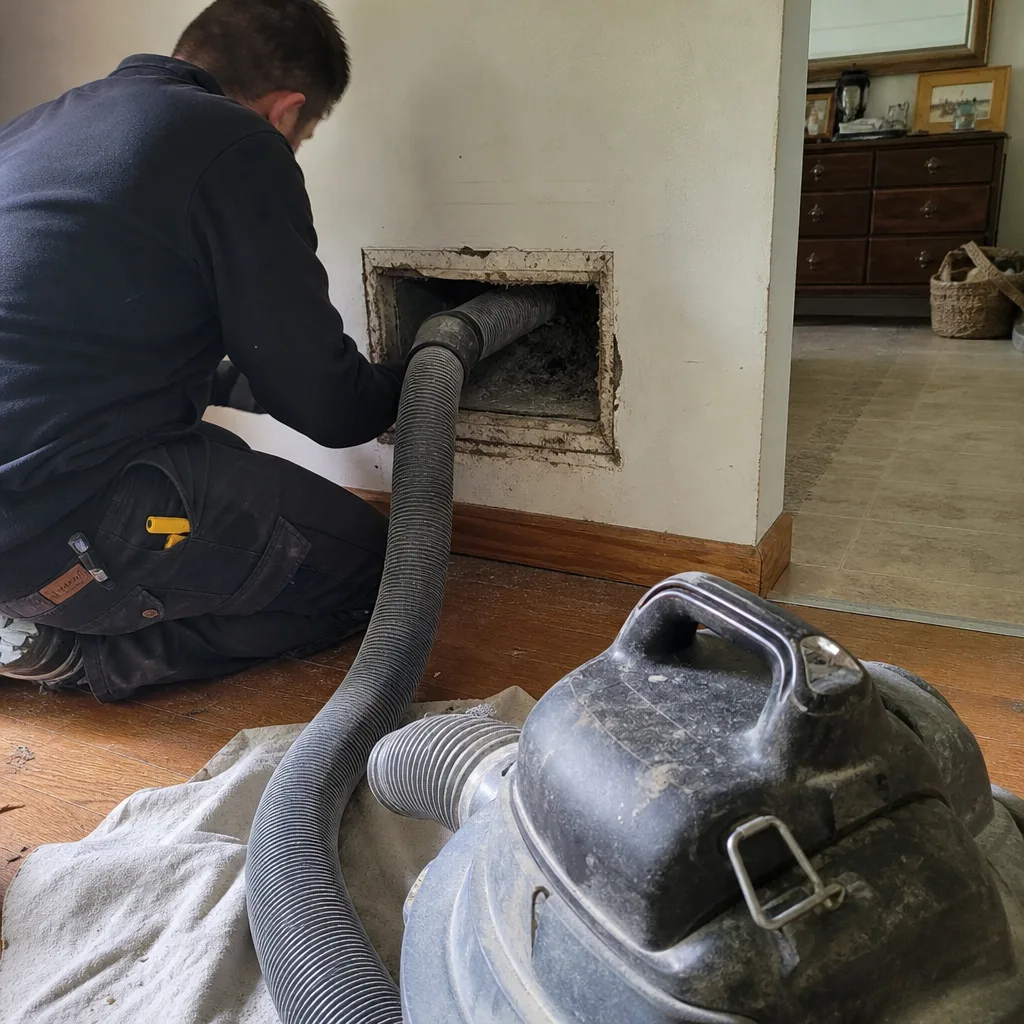 Before
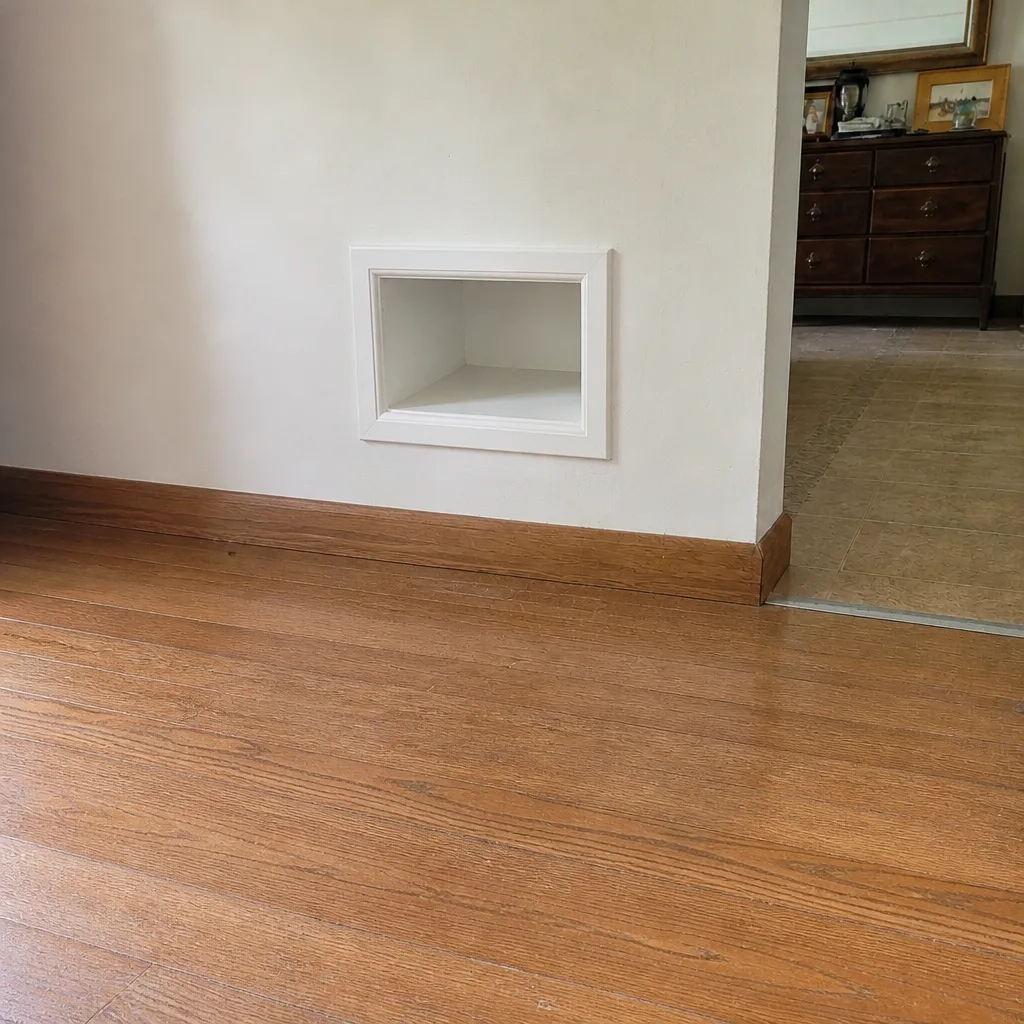 After
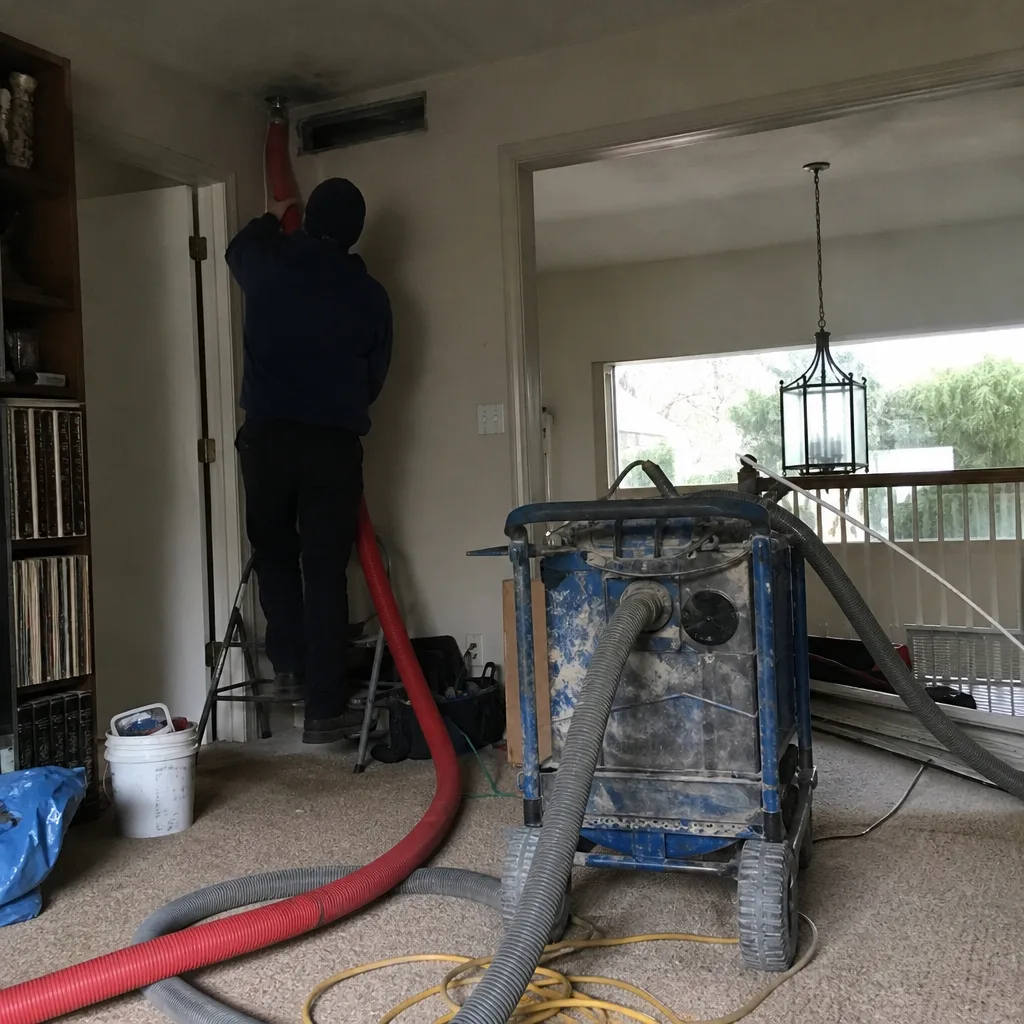 Before
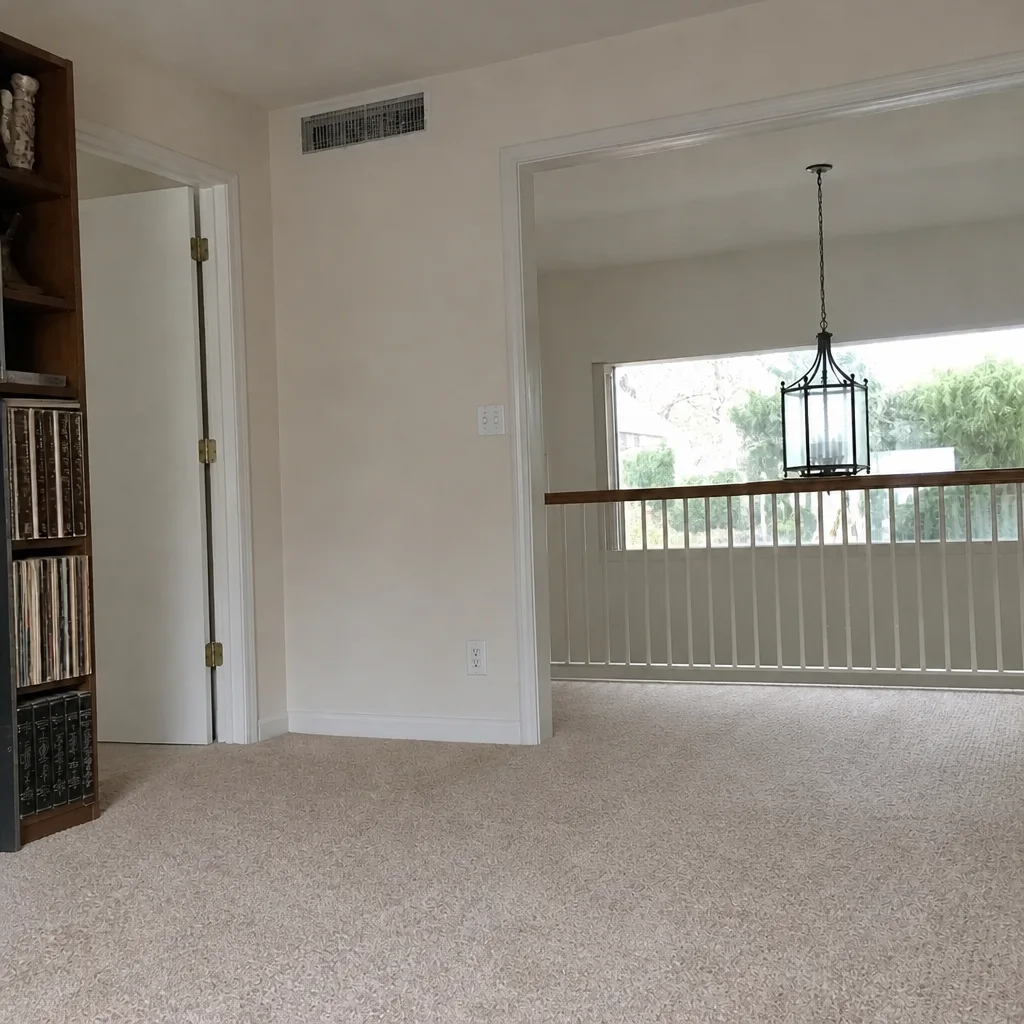 After
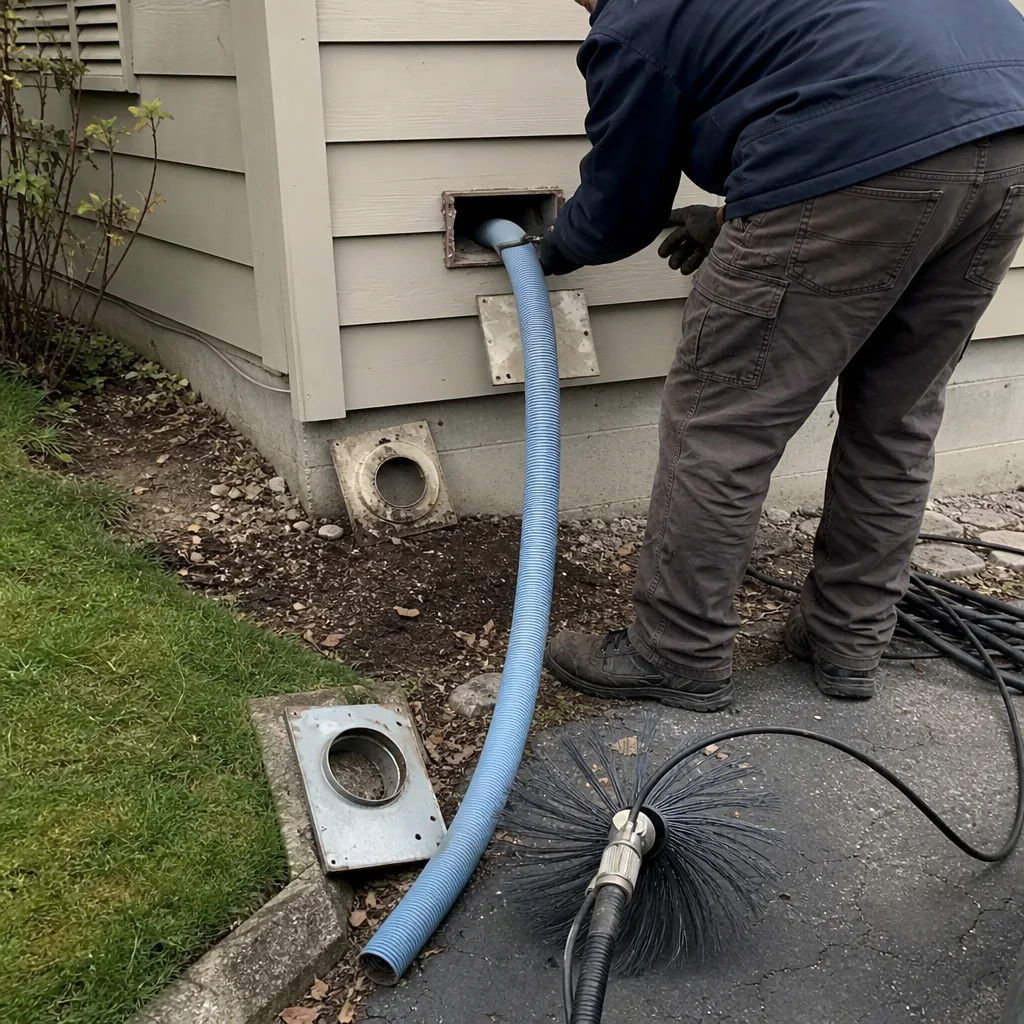 Before
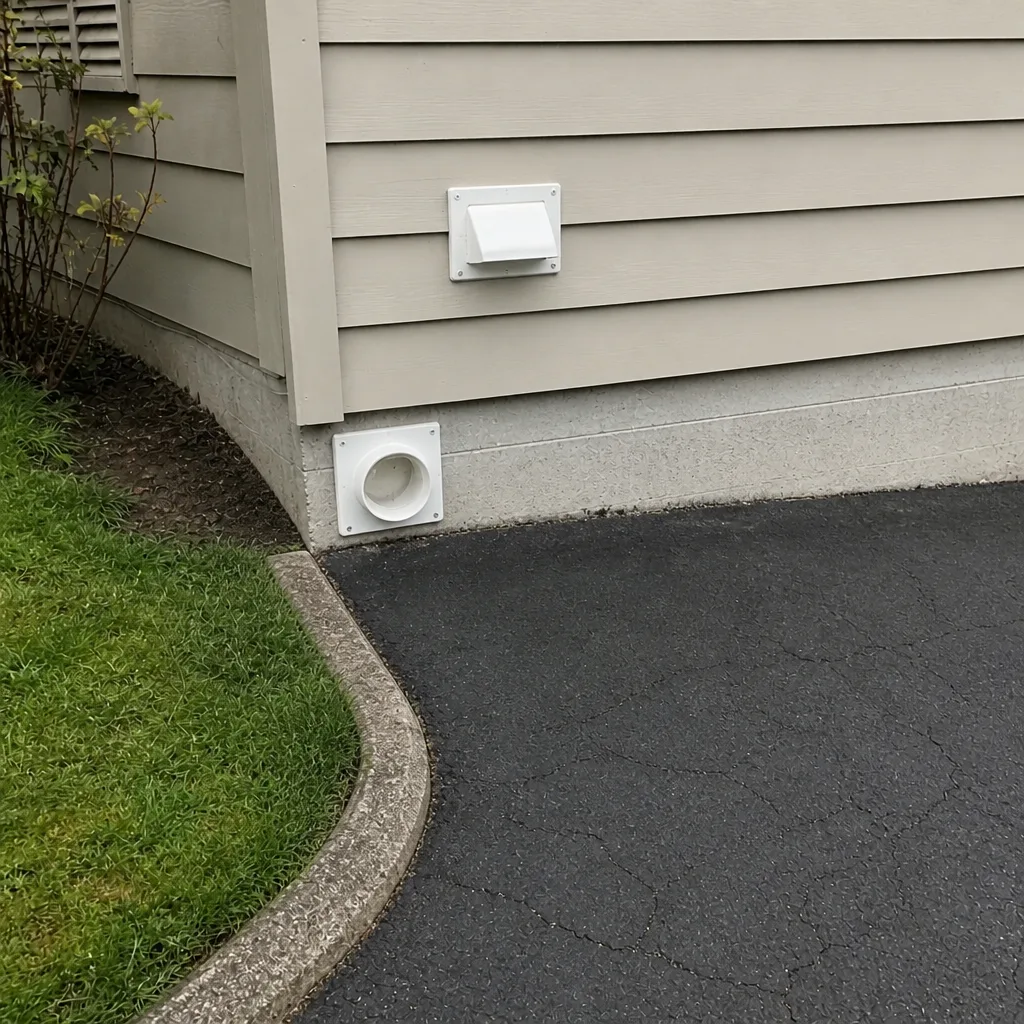 After
When to Call a Professional
Some situations call for a technician rather than a calendar entry. Call us when you notice visible dust rings around supply registers, when airflow at vents drops noticeably, when a musty or smoky smell lingers indoors, or when you’ve had a renovation, fire, or system replacement. It’s also worth a call if you’ve just moved into a resale home and have no maintenance history, or if a household member’s allergies have worsened indoors. Our technicians have up to 11 years of experience diagnosing duct systems, and we work with the full scope: cleaning, dryer vent, HVAC, repair and sealing, and sanitizing. You don’t need to coordinate three contractors. Kirkland Air Duct Cleaning offers free estimates in Kirkland. Call (855) 812-5163. We answer 24/7. Fast dispatch from 7am to 7pm, Sunday through Friday.
Frequently Asked Questions
For a typical Kirkland home with no pets and no recent dust events, every three to five years is reasonable. Shorten that to roughly every two to three years with pets, and schedule a cleaning right after a renovation, smoke event, system replacement, or new allergy diagnosis regardless of the calendar. Call (855) 812-5163 for a free estimate if you’re not sure which tier you’re in. Estimates are free.
Not automatically, but a heavy smoke season is a real trigger. Fine smoke particles can settle in return and supply runs, then recirculate through the heating season. Change your filter after a significant smoke event and have the system inspected. If you’re in Kirkland and the summer was smoky, schedule the cleaning before the heating season rather than waiting out the baseline interval. Call us for an assessment. Estimates are free.
No. MERV 13 captures more fine particles, but it also restricts airflow more, and older or underpowered systems may struggle. MERV 8 is a solid everyday baseline for most homes, and MERV 11 is a good middle ground if you have pets or mild allergies and your blower can handle the slight restriction. Match the grade to your equipment.
A maintenance cleaning is preventive and lighter, aimed at a system that’s been cleaned before and hasn’t had a triggering event. A remediation cleaning is heavier and post-event, after a renovation, smoke event, or prolonged neglect, and it uses stronger negative pressure and includes repair of any leaks or disconnected runs found along the way. Knowing which one you’re scheduling shapes the scope and the estimate.
We use professional-grade equipment, and we can show before-and-after photos of your own ducts so you can see what changed. Ask any provider for that documentation; a straight answer is the sign of a straight job. If a quote is dramatically cheaper than others, ask what’s included and whether filtration and inspection are part of it. Call (855) 812-5163 to talk through what your cleaning would include. Estimates are free.
Dryer vents deserve more frequent attention than your main ducts because lint buildup is a fire risk. Have the vent checked at least once a year, and more often in a busy household. It’s a dedicated service for us rather than an afterthought, and scheduling it alongside a duct cleaning keeps the whole system in one visit where possible.
The Bottom Line
Clean ducts when your home’s conditions call for it, not just when a generic calendar says so. Use three to five years as a baseline, shorten it for pets to roughly two to three, and reset it after any renovation, smoke event, system replacement, or allergy diagnosis. Between cleanings, change your filter on schedule, vacuum registers, and keep a simple log. In Kirkland, aim to schedule before heating season in October so summer’s dust doesn’t get recirculated all winter. And don’t skip the dryer vent. If you want a straight answer on where your system stands, Kirkland Air Duct Cleaning offers free estimates, and we handle HVAC cleaning and the rest of the duct system under one roof. Call (855) 812-5163. We answer 24/7. Fast dispatch from 7am to 7pm, Sunday through Friday.
Written by the team at Kirkland Air Duct Cleaning.