
Last updated November 25, 2026
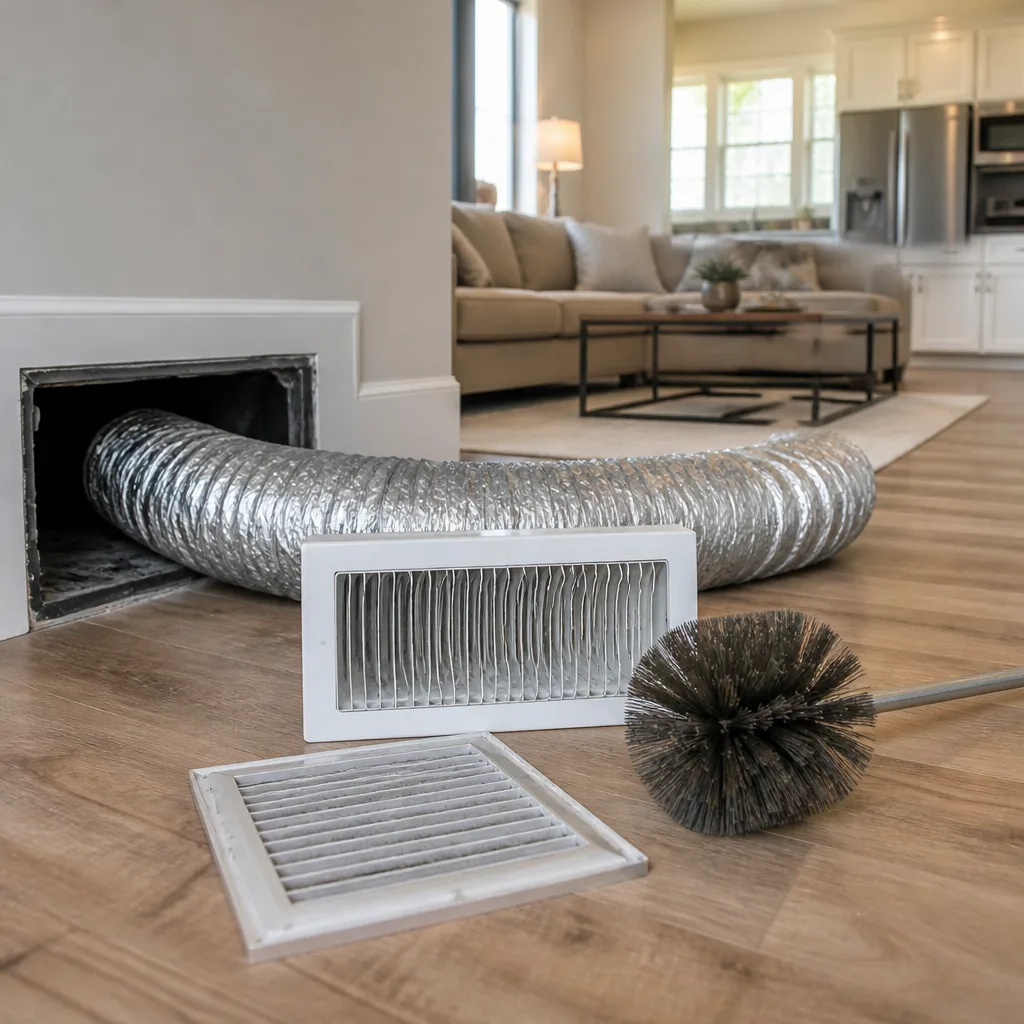 Whole-home duct cleaning
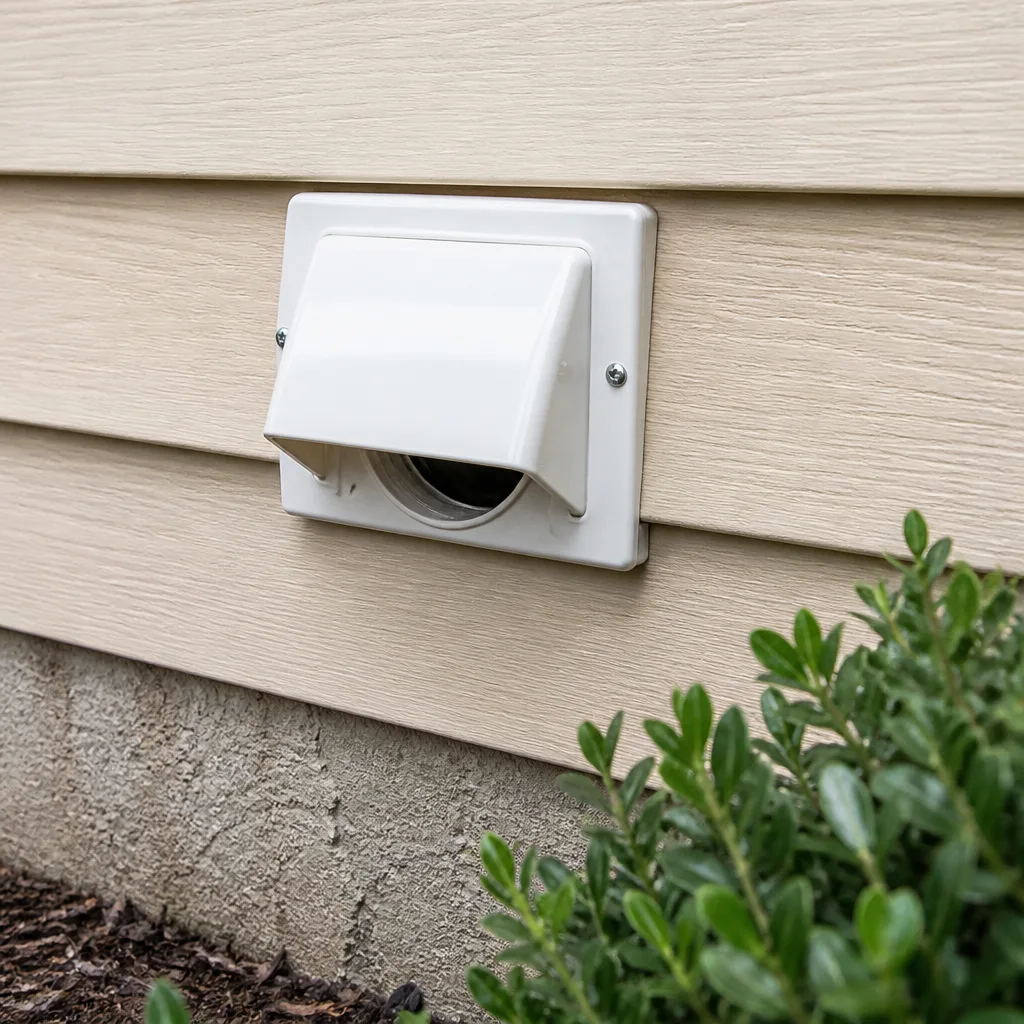 Dryer vent cleaning
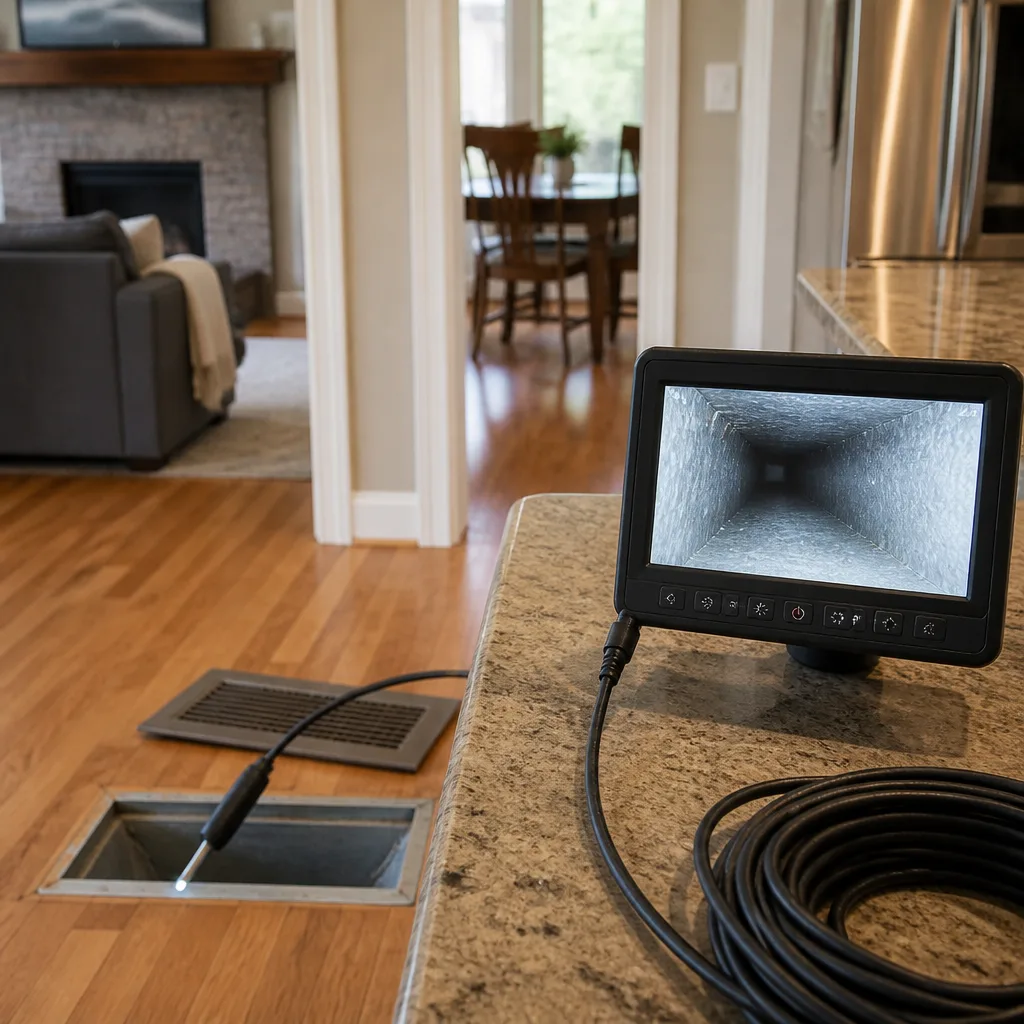 Camera inspection
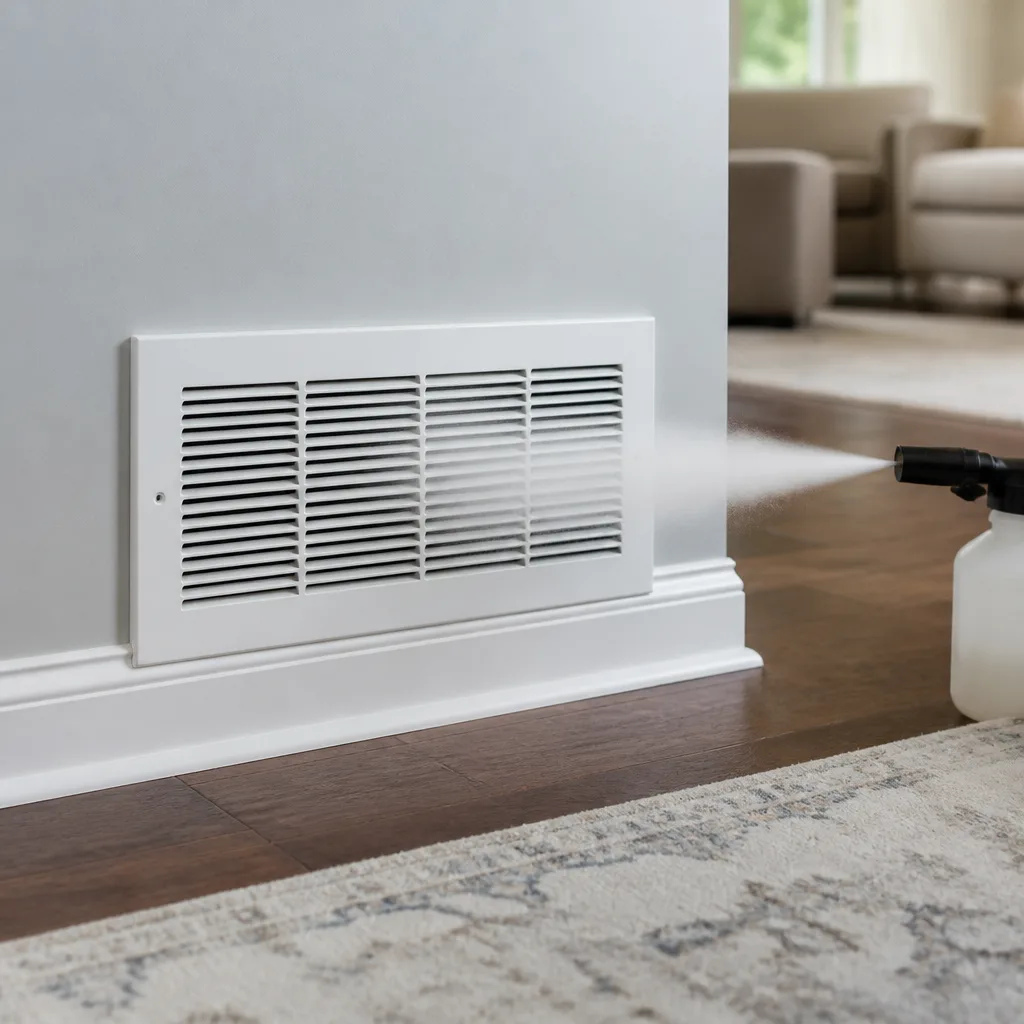 Sanitizing & deodorizing
Whole-system duct and dryer vent check with before-and-after photos - you see exactly what came out of your vents
That "$99 whole-house special" is a bait ad - the real number appears once they are in your hallway, or the "clean" is a shop-vac at the register. We photograph the inside of your ducts before and after instead.
Air Duct Cleaning Warning Signs: A Kirkland Homeowner’s Reference Guide
Most homeowners call us after the obvious thing breaks. The furnace stops firing. A register starts whistling. But the duct problems that do the most damage here in Kirkland are usually the quiet ones. A faint musty smell you stopped noticing months ago. A bedroom that runs two degrees warmer than the hallway. Dust that settles a little faster than it used to. These are low-signal warnings, and homeowners spend a long time explaining them away before anyone traces the symptom back to the duct system. This guide is about pattern recognition, not panic. You’ll learn which signs matter, which are harmless, and how to tell the difference before small problems become expensive ones.
Quick Answer
Persistent uneven room temperatures, musty or chemical odors with the system running, visible dust or dark staining at the registers, and rising allergy symptoms indoors are the core warning signs that a duct system needs inspection in Kirkland. Uneven airflow is the one people blame on their furnace or heat pump first, but in a majority of the uneven-temperature calls we encounter, the cause is inside the ductwork rather than the equipment. If two or more of these signs show up together and stay for more than a few weeks, a professional inspection is the sensible next step.
Styles & brands we work with
- Whole-home duct cleaning
- Dryer vent cleaning
- Camera inspection
- Sanitizing & deodorizing
Table of Contents
- Uneven Airflow Across Rooms: Your First Diagnostic Tool
- The Five Register Signs That Point to Five Different Problems
- Smelling Your Duct System: What Each Odor Tells You
- Allergy and Asthma Patterns: Ducts or Something Else?
- The Post-Renovation Window: When Duct Loading Peaks
- Dryer Vent Warning Signs: The Fire Safety Checklist
- When the Problem Is Repair, Not Cleaning
- What a Professional Duct Inspection Actually Involves in Kirkland
Uneven Airflow Across Rooms: Your First Diagnostic Tool
Before you call anyone, run a simple airflow test through your Kirkland home. Hold a tissue or a thin strip of paper against each supply register while the system runs on fan-only mode. You’re feeling for strength, not exact measurement. If most registers push steady airflow and one or two feel noticeably weak, the system’s design is likely fine and something is restricting that branch. If the whole house feels weak, the problem is probably central: a dirty blower, a clogged main trunk, or a filter that’s overdue.
Map it on paper. Note which rooms underperform, which tend to be too cold in winter, and which get stuffy first. In Kirkland, the split-level and two-story floor plans common in neighborhoods like Juanita and Finn Hill often show the pattern clearly: upstairs bedrooms run hot, and the lower floor under-ventilated. That’s classic evidence of a system fighting its own ductwork rather than an HVAC unit that can’t keep up.
Here’s why that matters. Weak or unbalanced airflow forces the equipment to run longer, which raises energy use and increases the load on the blower motor. It also leaves return paths starved on some branches, letting dust settle and rebuild in those runs faster. Fixing the duct problem often restores room balance without touching the equipment at all.
Flow-and-cause quick reference:
- Uniformly weak across all rooms: filter, blower, or main trunk restriction.
- One room weak, others fine: a collapsed, kinked, or disconnected branch duct or blocked register.
- Strong flow but uneven temperatures: sealed-shut dampers or poorly balanced supply runs.
- Cold air returns pulling weak: undersized or blocked return path, sometimes behind furniture.
- Intermittent weakness: damper adjustment or equipment short-cycling, not necessarily a duct issue.
If your map points to a branch duct or a duff main trunk, the next move is an air duct cleaning assessment, which includes a look at whether restriction is from debris or from physical failure. Those are two very different fixes.
The Five Register Signs That Point to Five Different Problems
What you can see at the register is diagnostic, not just cosmetic. Different debris types tell you different things about what’s happening inside the duct. Here’s what we mean.
- Light, dry, uniform gray dust. Ordinary accumulation. Expected in any duct system and a sign of routine loading, not failure. Usually handled by scheduled cleaning rather than a repair.
- Dark brown or black staining on the grille or wall near the register. This is a strong signal of moisture carried through the duct and deposited as it dries, often with microbial growth behind it. In Kirkland’s damp months, this shows up most often on registers near exterior walls where cold surfaces condense vapor.
- Fibrous, stringy material caught on the grille. Insulation fibers or lint from a failing duct liner, or, near the laundry area, dryer lint escaping a compromised duct. Worth investigating promptly.
- Uniform oily film on the grille. Often from cooking or candle soot that circulates through the system, not from the ducts themselves. Frequent filter changes help; deep cleaning removes what’s already lodged.
- Visible rust or corrosion on a metal boot or register frame. A moisture indicator at the vent, often pointing to air-conditioning condensate or exterior humidity intrusion rather than duct debris.
Two of these signs (dark staining and fibrous material) merit a call in Kirkland because they can indicate a condition that gets worse the longer you wait. The other three are informational: they tell you your cleaning schedule is probably overdue, and they set expectations for what a technician will find on inspection. If you can photograph what you see, the technician’s assessment on arrival will be faster.
Smelling Your Duct System: What Each Odor Tells You
Your nose is a surprisingly accurate diagnostic tool. Each odor profile points to a different condition inside the duct system, and distinguishing them saves time and money on inspection.
- Musty or earthy smell. Normally points to moisture in the ducts with microbial growth behind it. In Kirkland, this is most common after a wet season, when humidity finds its way into the system through leaks or ductwork running in unconditioned space. A duct repair and sealing assessment usually accompanies cleaning.
- Sharp burning smell, only when the system runs. Often points to dust burning off a heat exchanger, especially on first use of the season. If the smell persists past the first few cycles, stop using the system and have a technician inspect it. This is a genuine safety concern, not just an odor complaint.
- Chemical or plasticky smell. Usually points to off-gassing from insulation or from a heated component inside or near the air handler. Some off-gassing on a new system is normal; a chemical smell in an older system warrants inspection.
- Dusty, “old house” smell on startup. Typically harmless: debris on the blower and duct liner absorbing and releasing odor. Deep cleaning and sanitizing addresses it directly.
- Sulfur or sewage smell. Not a duct concern. Usually a drain or plumbing issue. Worth a call to the right trade rather than a duct technician.
The odor profile you identify matters because a cleaning that removes debris won’t remove a moisture problem, and a sanitizing treatment won’t fix a heat exchanger. Our technicians carry professional-grade Abatement Technologies filtration equipment so dislodged material is captured at the source during service, which matters most on odor-focused cleanings. The point is not to mask what you smell. It’s to fix what causes it.
Allergy and Asthma Patterns: Ducts or Something Else?
Not every runny nose is a duct problem. But there’s a recognizable pattern when it is. Duct-related symptoms tend to correlate with when the system runs, not with when you go outside. They improve in rooms with lower return airflow or when the system is off. And they follow a season-long curve in Kirkland, worse from late fall through spring when humidity is higher and windows stay closed. If those patterns match, the ducts deserve a look alongside other indoor-air sources.
To distinguish duct issues from other sources, work through this checklist:
- Track timing. Symptoms that worsen 20-30 minutes after the system turns on point toward the ducts. Symptoms that peak right after you enter a bedroom point toward the mattress or fabrics.
- Track location. Symptoms concentrated in one room suggest a local source (a rug, a pet, a vent). Symptoms throughout the house suggest a system-wide source.
- Check the filter. If your filter hasn’t been changed recently, start there. A dust-clogged filter explains many indoor air complaints on its own.
- Rule out the usual suspects. Pet dander, dust mites in bedding, and outdoor pollen all produce overlapping symptoms. A physician can help isolate which matters most.
- Then look at the ducts. If the other sources are managed and symptoms persist with the system running, a duct inspection is worth scheduling.
When the pattern does point to the system, a full-scope HVAC cleaning goes deeper than the supply ducts alone, addressing the evaporator coil, blower, and drain pan where biological growth often starts. Sanitizing after cleaning addresses what’s left. We treat sanitizing as a legitimate step, not a spray-and-go upsell.
The Post-Renovation Window: When Duct Loading Peaks
Sanding drywall, cutting engineered wood, and running saws in a Kirkland home for a few weeks produces more duct-system loading than years of normal use. During renovation, fine dust and fibrous particles travel with air currents, and the HVAC system, if left running, pulls them straight into return ducts and circulates them throughout the house. The result: a system that looks fine at the registers but hides a heavy load in the trunk line, the return plenum, and the blower wheel.
The post-renovation window has three practical rules:
- Turn the system off during active demolition and sanding. Whenever tradespeople are cutting or sanding, blocking return airflow is simpler than cleaning it out later. This alone cuts loading dramatically.
- Change the filter immediately after the work. A filter that’s helped through a remodel should be replaced, not reused, even if it looks clean at the surface.
- Schedule inspection before running the system again as normal. A professional can assess whether the post-renovation load needs cleaning or whether a filter change and a few weeks of monitoring suffice.
The same principle applies to a new build. Sawdust, drywall dust, and construction debris are present in the air well before the first homeowner turns the system on. A pre-occupancy inspection on a new Kirkland home is cheaper than a first-season cleaning that has to remove a fully loaded system. If a project ran in your house over the last several months and the registers now look worse than they did, this is the likely reason.
Dryer Vent Warning Signs: The Fire Safety Checklist
Dryer vents are the duct component most homeowners overlook, and they carry the clearest safety stakes. Lint is highly combustible, and a vent that can’t exhaust air efficiently captures heat and moisture inside the duct. That’s a fire risk independent of any indoor air concern. We treat dryer vent cleaning as a dedicated service rather than an add-on.
Run this checklist at the dryer roughly every three months:
- Clothes take longer to dry. A dryer that used to finish a load in 45 minutes and now takes an hour is telling you something.
- The dryer gets hot to the touch. Excessive exterior heat means the vent isn’t carrying heat out efficiently.
- Lint is visible around the lint trap or the vent flap. Heavy lint collection beyond the trap points to restricted airflow.
- The exterior vent flap doesn’t open fully when the dryer runs. Weak airflow means a partial or full blockage.
- The laundry room feels humid or smells like lint. Moisture isn’t leaving the room.
If two or more of those signs show up, schedule inspection. In Kirkland, laundry setups in older homes sometimes route ductwork through long interior runs, which collect lint faster and are harder to inspect visually. A technician using a rotary brush system can clear the full run and confirm it’s intact, including any section you can’t see from the exterior vent.
When the Problem Is Repair, Not Cleaning
The most expensive duct mistake in Kirkland is cleaning a system that needs repair. Debris comes out. The leak that was pulling outside air and dust back in stays exactly where it was. Within a season, the duct is loaded again. The right order is diagnose, repair, clean, and then maintain.
These signs suggest you’re in repair territory, not just cleaning:
- Disconnected or crushed flex duct visible in the crawlspace or attic. Common in homes with additions or past renovations, where a branch got shoved aside during other work.
- Loose joints and gaps at the trunk connection. You may see tape peeling or gaps where duct sections meet. In Kirkland’s damp months, these are also where moisture enters the system.
- Repeated dust accumulation in a specific room after cleaning. Suggestive of a leak pulling dust in from unconditioned space and delivering it straight to that branch.
- Audible whistling or humming at a register or joint. Often a pressure leak you can hear before you can see.
Duct repair and sealing belongs to the same visit as the cleaning, not a separate contractor, ideally. Our technicians carry both the diagnostic tools and the remediation equipment, so if they find a disconnected branch, they can seal it in the same trip. No handoff gap, no second appointment weeks out. You can see the full scope on the Kirkland Air Duct Cleaning overview page.
What a Professional Duct Inspection Actually Involves in Kirkland
A real duct inspection is more than a glance into a register. Here’s what to expect when a technician assesses your system in Kirkland.
- Walkthrough with the homeowner. The technician gathers your symptom notes from the airflow map, register photos, and odor observations. Bring whatever you recorded during the first sections of this guide; it makes the assessment sharper.
- Static pressure measurement. Gauges measure airflow resistance at the supply and return sides. This quantifies what your tissue test suggested.
- Return and supply trunk inspection. Rotobrush rotary brush systems are used to access and dislodge debris inside duct runs, with Nikro HEPA vacuum equipment running to capture what’s loosened. Abatement Technologies filtration keeps dislodged material from circulating during service.
- Branch-by-branch review. Each supply run gets a look for restriction, disconnection, and moisture staining. Findings are documented before cleaning starts.
- HVAC component check. The blower wheel, evaporator coil, and drain pan get reviewed. A loaded blower wheel is often the hidden cause of airflow weakness the homeowner attributes to duct blockage.
- Written scope and flat price. A professional presents the findings, recommends the scope (cleaning, repair, sanitizing, or some combination), and gives a flat price per system before any work starts.
- Before-and-after photo documentation. The technician photographs the ducts before and after service, which you should expect to see. If the work was done, the photos prove it.
Our technicians have up to 11 years of experience, and they know Kirkland’s housing stock, from older homes in the Houghton area to newer builds on the east side, and how duct layouts differ across them. The point of the inspection is not to sell a service. It’s to establish what your system needs before anything is done.
Common Mistakes to Avoid
- Blaming the HVAC unit before you’ve checked the ducts. In Kirkland, the equipment gets replaced when the real problem is a restricted or unbalanced duct system, wasting money on a fix that doesn’t solve the symptom.
- Cleaning without repairing first. A cleaned system with a leaking or disconnected duct just reloads. Find the failure point before you schedule the cleaning.
- Judging the work by the register appearance alone. A wipe of the grille tells you almost nothing about what’s in the trunk line or the return plenum. Ask for before-and-after photos of the actual ducts.
- Skipping the dryer vent because the dryer “still works.” The dryer working doesn’t mean the vent is safe. Lint buildup is invisible from the laundry room and is the number-one thing to have inspected quarterly.
- Running the HVAC system during a remodel. This is the single fastest way to load a Kirkland duct system with construction dust. Turn it off during demolition and sanding.
- Scheduling a cleaning immediately after a leak or long humidity stretch without a moisture assessment. Cleaning wet ducts with microbial growth behind them leaves the condition in place. Moisture first, cleaning second.
- Ignoring a burning smell in hopes it’s just first-of-season dust burnoff. If it lasts more than a few cycles, stop the system and have it inspected. A technician should look at a heat exchanger before anyone looks at a duct brush.
See the difference
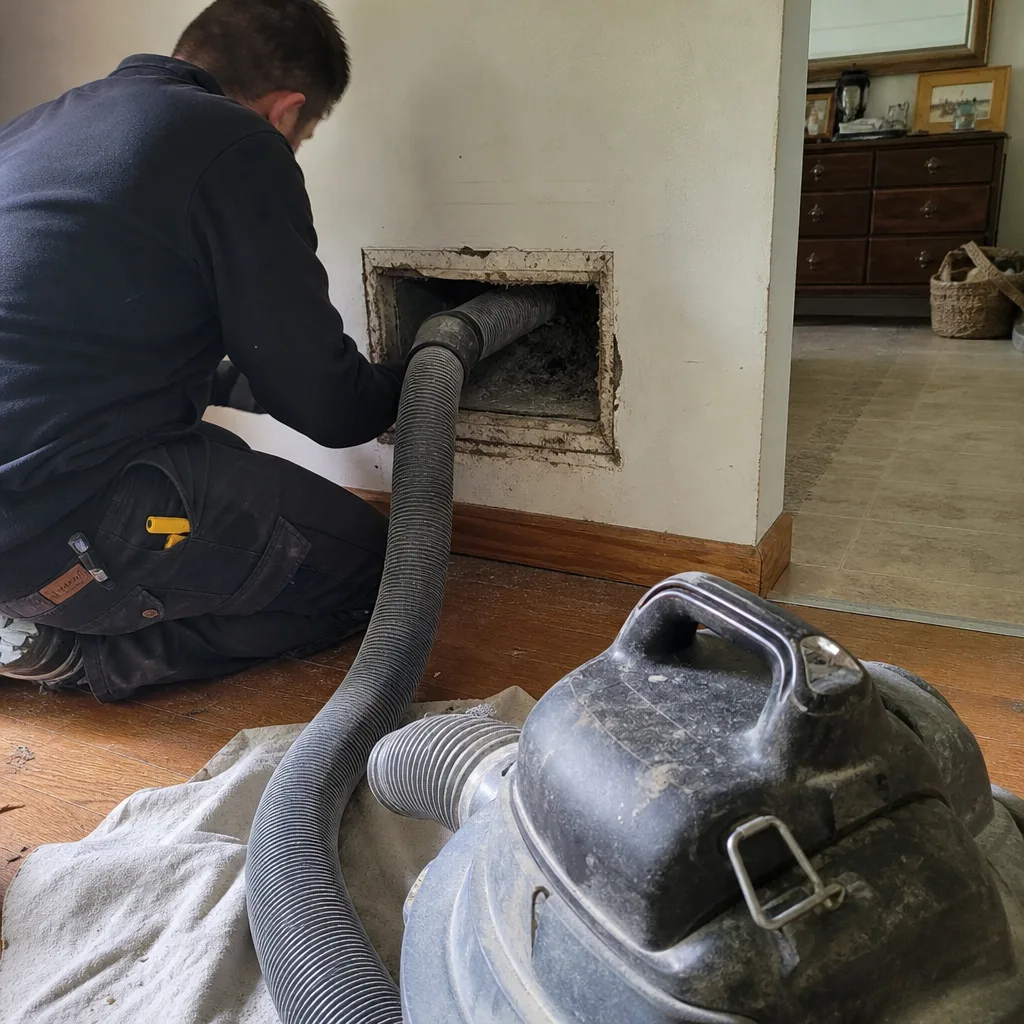 Before
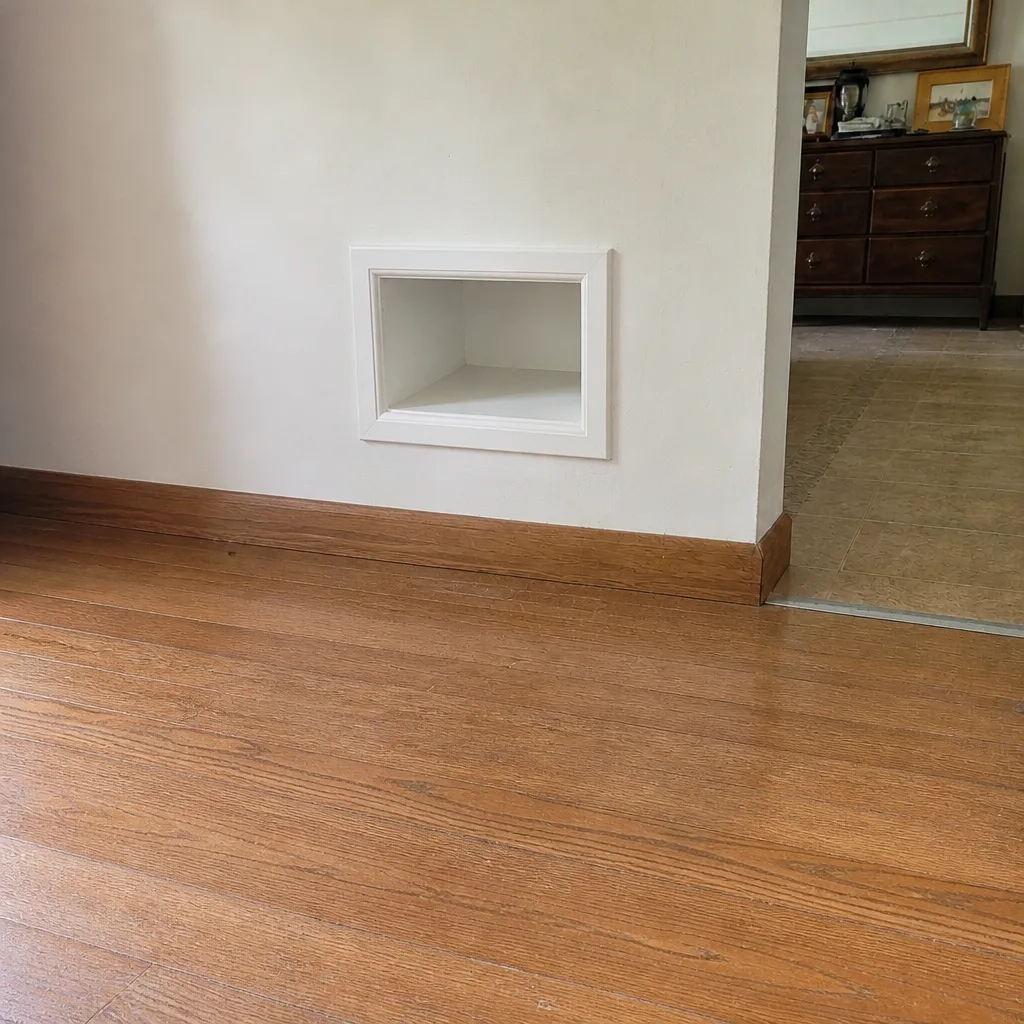 After
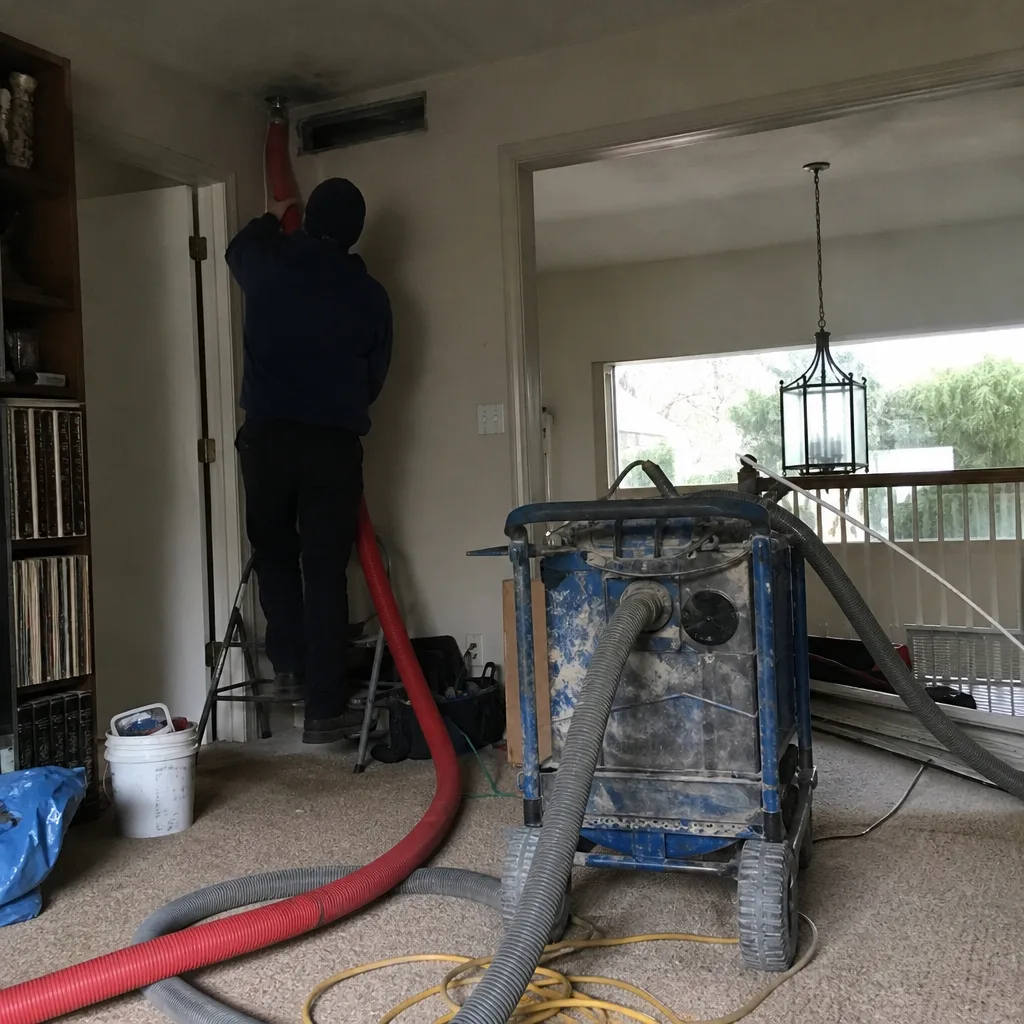 Before
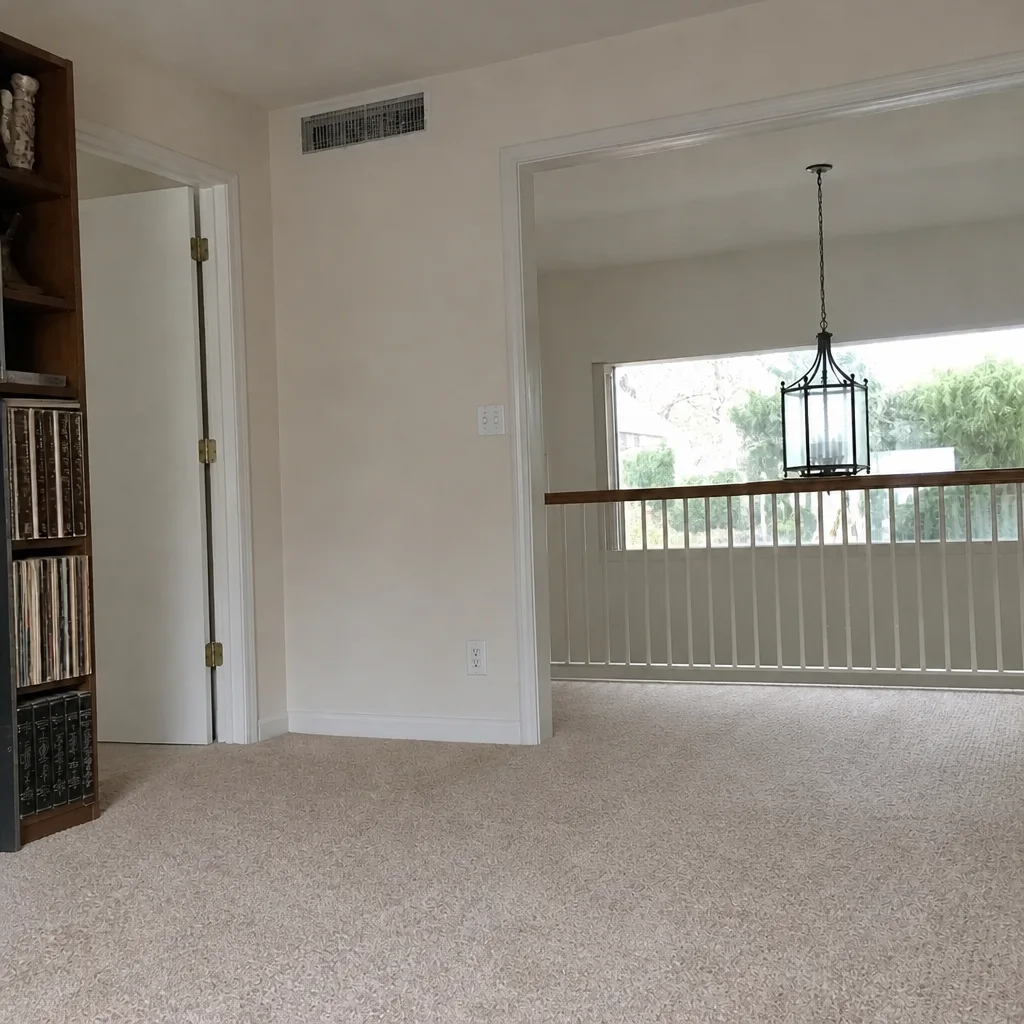 After
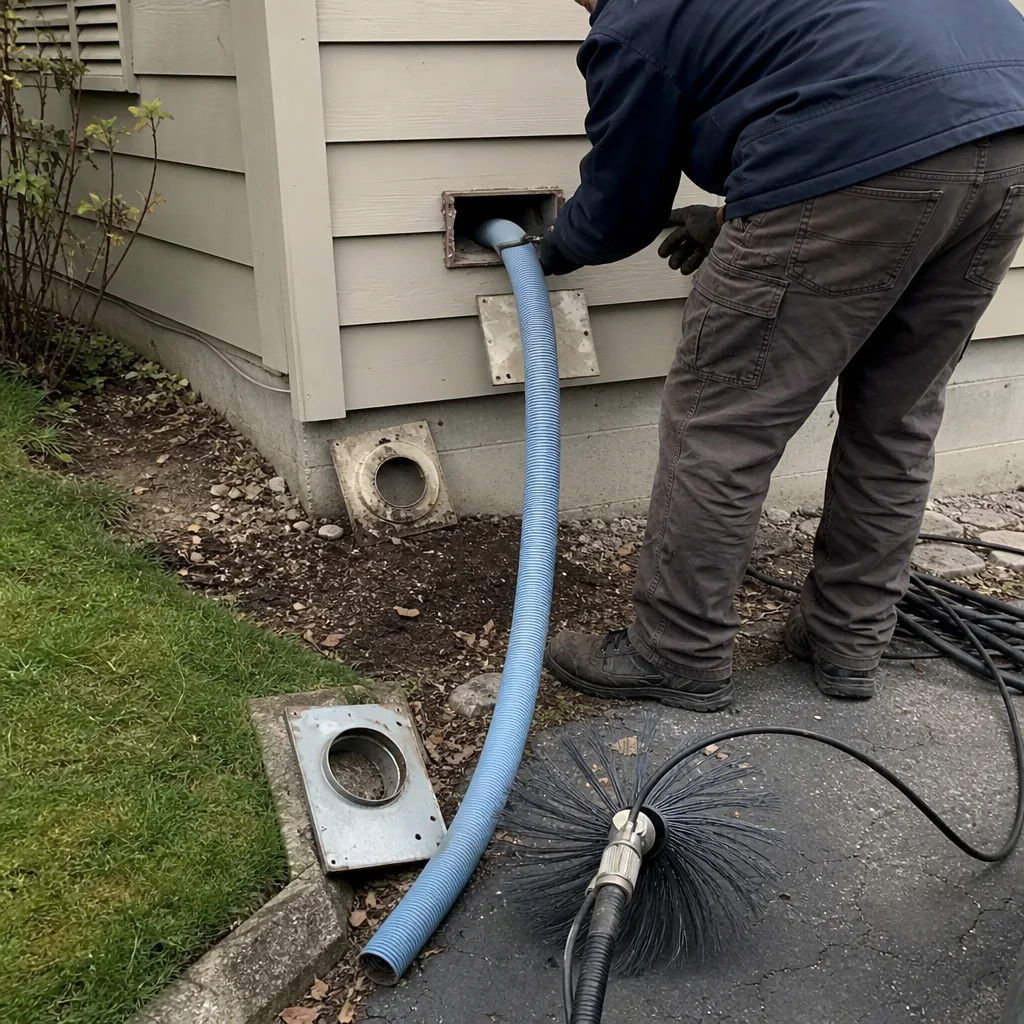 Before
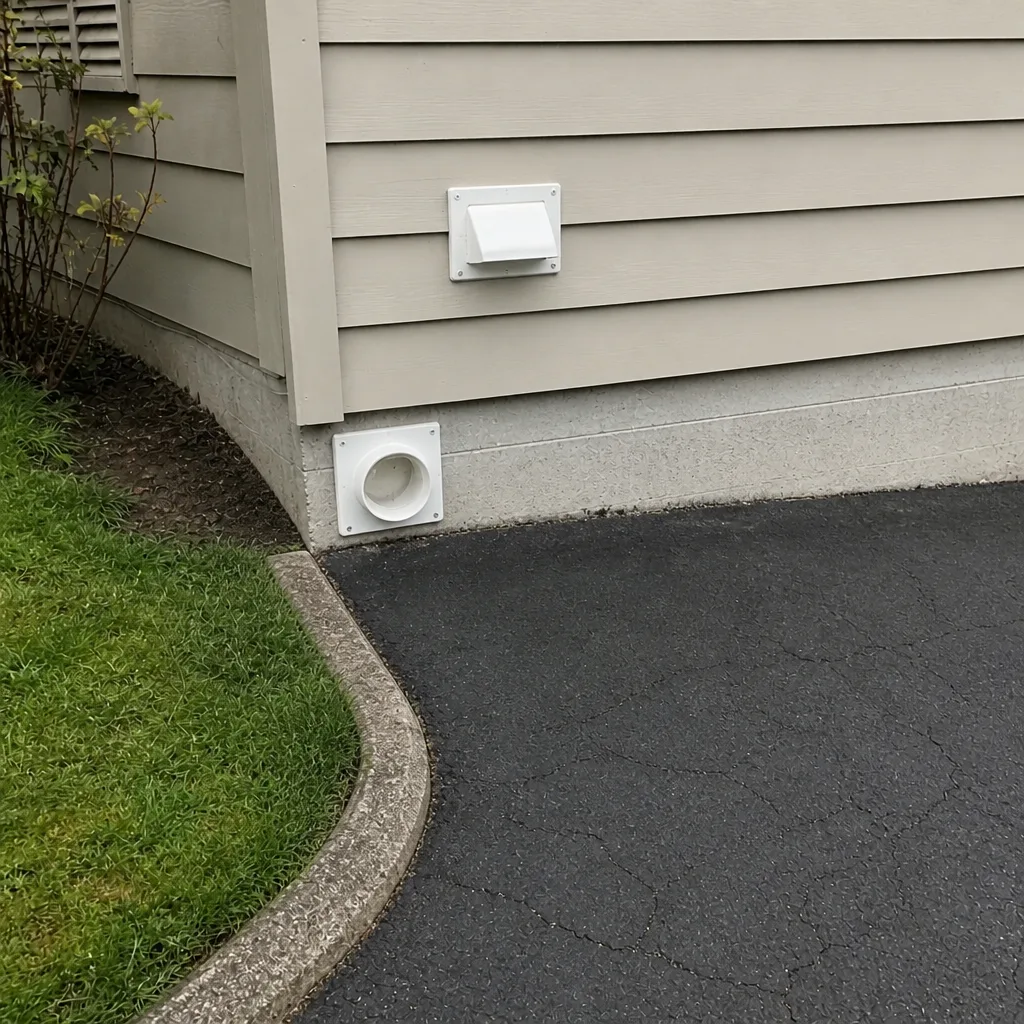 After
When to Call a Professional
Call when two or more warning signs persist for more than a few weeks: uneven airflow across Kirkland rooms, musty or chemical odors with the system running, visible dark staining or fibrous material at the registers, rising allergy symptoms indoors, or a dryer that takes noticeably longer to dry a load. Call sooner for a persistent burning smell, an audible duct leak, or visible disconnected ductwork in the attic or crawlspace. Kirkland Air Duct Cleaning offers free estimates in Kirkland. Call (855) 812-5163. We answer 24/7. Fast dispatch from 7am to 7pm, Sunday through Friday. We’ll assess what the signs point to and give you a flat price per system before any work begins.
Frequently Asked Questions
Uneven airflow between rooms is the most common warning sign in Kirkland, and it’s also the one most often misattributed to the furnace or heat pump. If your upstairs runs hot and downstairs feels starved, the odds favor a duct problem over an equipment problem. Call (855) 812-5163 for an exact quote, since estimates are free.
A musty smell that appears when the heat runs usually means moisture in the duct system with microbial growth behind it. The heat warms the duct surfaces and drives the smell into the room. Kirkland’s damp months make this pattern common, and it’s a strong reason to schedule a repair and sealing assessment alongside cleaning. Call (855) 812-5163 to book an assessment, since estimates are free.
Most Kirkland homes benefit from inspection every couple of years, with cleaning scheduled when the inspection shows real loading. Homes with pets, recent renovations, or moisture history need more frequent checks. Homes with no signs can wait longer. Call (855) 812-5163 for an inspection and a flat price before anything is scheduled.
A brief dust-burnoff smell on the first heating cycle of the season is normal. A persistent burning smell that continues for more than a few cycles is not, and you should stop using the system and request inspection. Debris on a heat exchanger is a genuine safety concern, not just an odor. Call (855) 812-5163 to schedule service.
The full system is usually the right scope after a major renovation, because dust and debris end up in the return plenum, blower wheel, and evaporator coil as well as the supply ducts. Cleaning only the supply side leaves most of the load behind. Call (855) 812-5163 for a full-scope assessment before your system runs normally again.
Surface-level vacuuming at the registers removes almost nothing from the trunk line, plenum, or the duct runs you can’t reach. More importantly, a shop vac doesn’t capture fine particles, so cleaning agitates material without removing it. A professional service using a system like Nikro’s HEPA vacuum pulls the load out rather than adding to it. Call (855) 812-5163 for an exact quote, since estimates are free.
Ask for before-and-after photos of the ducts themselves, plus a written scope showing what was addressed. A technician using Rotobrush and Nikro equipment should be able to document the work at each component. If a contractor can’t show you photos, you have a fair question to ask before scheduling. Call (855) 812-5163 to book a service that documents the work.
The Bottom Line
The warning signs worth acting on are the ones that persist and combine, not the ones that appear once and vanish. Uneven airflow, persistent musty or chemical odors, visible dark staining or fibrous material at the registers, and rising indoor allergy patterns together form the clearest signal that a Kirkland duct system needs inspection. Dryer vent signs deserve their own quarterly check for fire safety regardless of anything else. When the inspection finds a repair need, address it before cleaning. Our full-system approach covers cleaning, repair and sealing, HVAC components, sanitizing, and dryer vents, with a flat price per system and before-and-after photos on every job.
If you’re ready to have your duct system assessed in Kirkland, call (855) 812-5163. We answer 24/7. Fast dispatch from 7am to 7pm, Sunday through Friday. Estimates are free and the price is set per job by the written estimate.
Written by the team at Kirkland Air Duct Cleaning.