
Last updated November 25, 2026
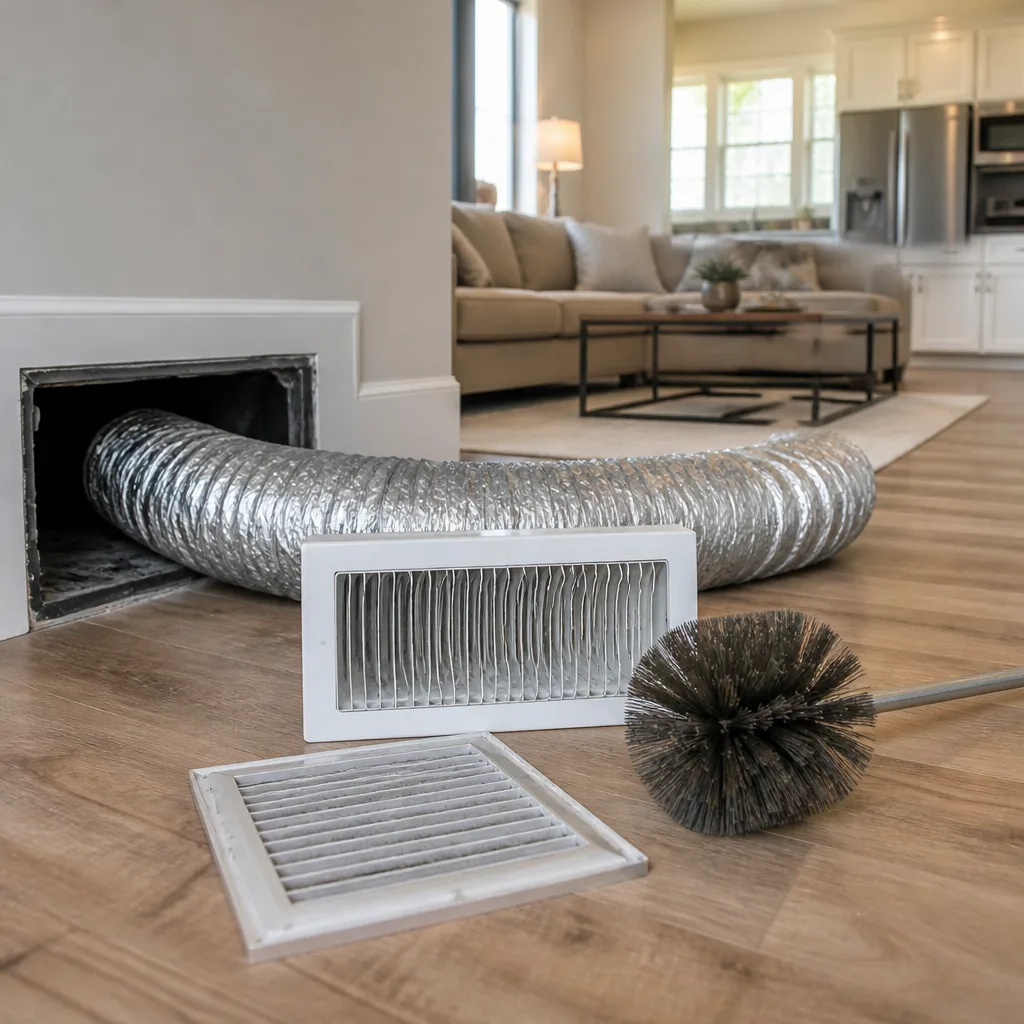 Whole-home duct cleaning
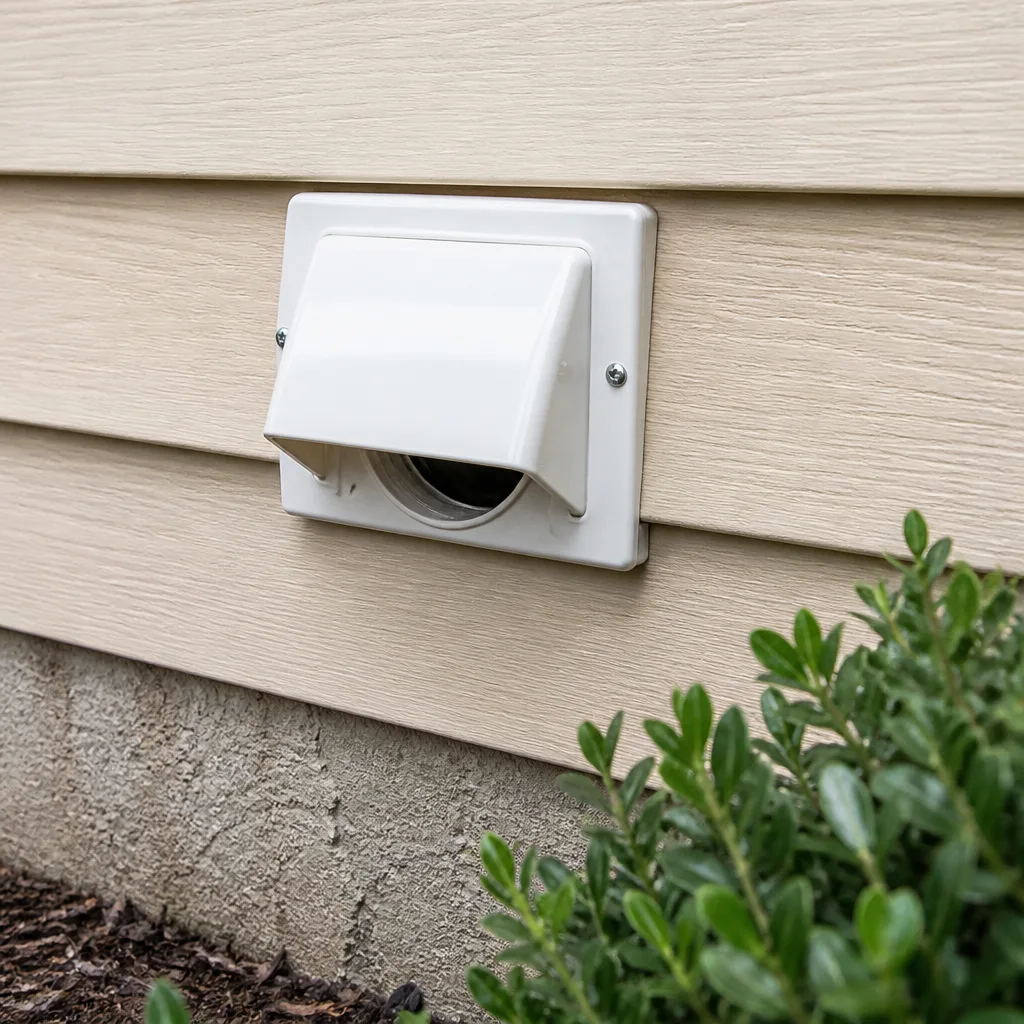 Dryer vent cleaning
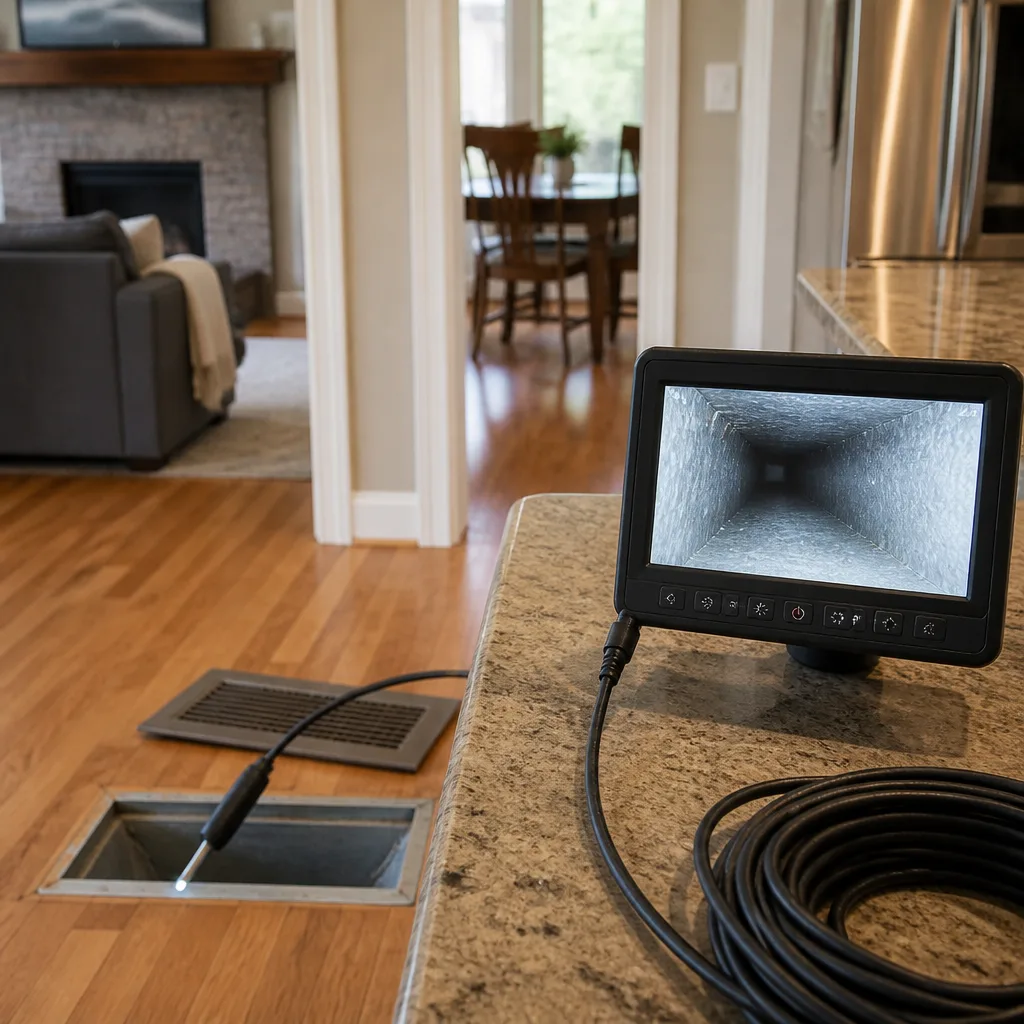 Camera inspection
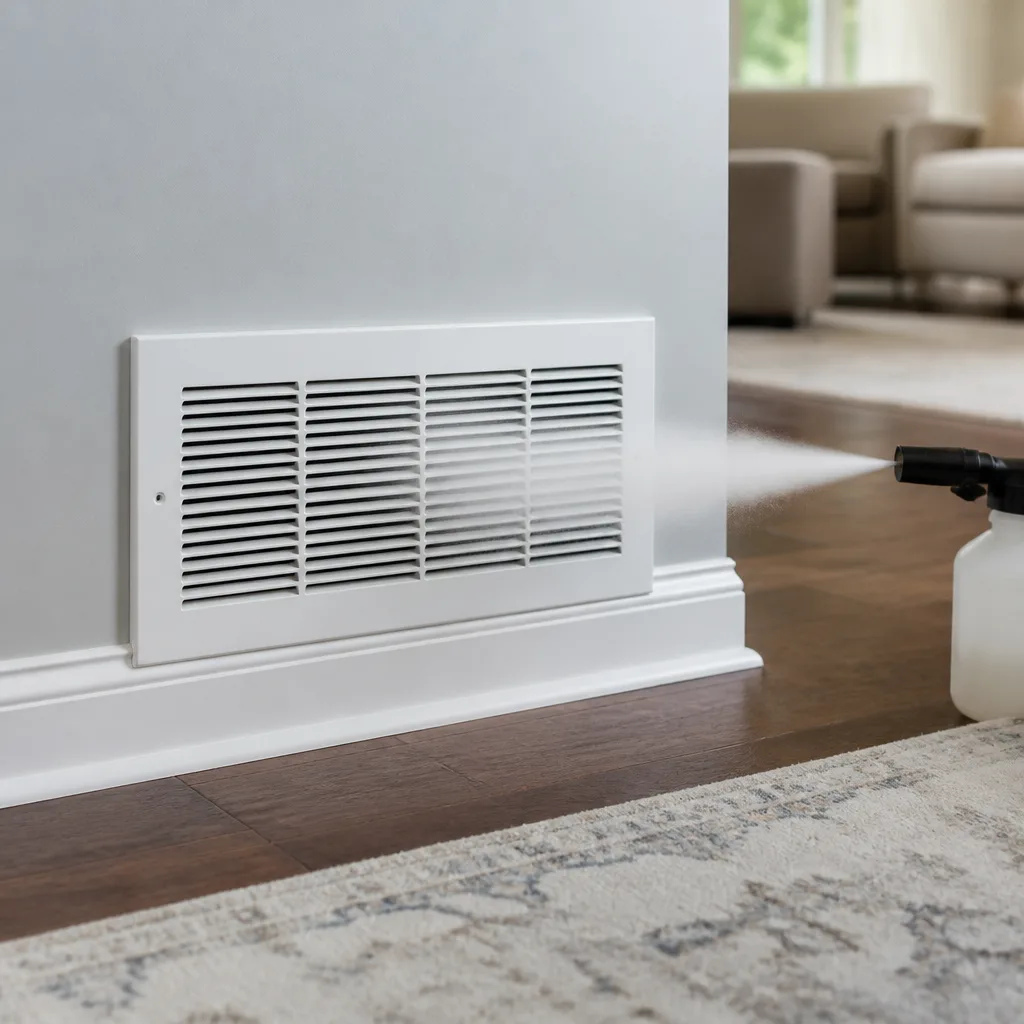 Sanitizing & deodorizing
Whole-system duct and dryer vent check with before-and-after photos - you see exactly what came out of your vents
That "$99 whole-house special" is a bait ad - the real number appears once they are in your hallway, or the "clean" is a shop-vac at the register. We photograph the inside of your ducts before and after instead.
The Complete Guide to Air Duct Cleaning in Kirkland
The EPA doesn’t recommend air duct cleaning on a fixed schedule. No “every three years” rule, no seasonal trigger, nothing. That single absence of a schedule tells you more about your ducts than any brochure will, because it means the right answer depends on what’s actually inside your system, not on a calendar. Most Kirkland homeowners assume duct cleaning is one service with one price. It isn’t. It’s a diagnostic process where cleaning is one possible output, and the inspection behind it is what determines whether you need anything done at all. This guide walks through what a real full-system inspection covers, how Kirkland’s wet climate changes the picture, and how to tell source removal from a vacuum pass that only touches the vents you can see.
Quick Answer
Air duct cleaning in Kirkland is a full-system process: a technician inspects the return side, supply plenum, blower, and coil, then removes debris at the source using professional-grade equipment rather than blowing it downstream. Whether your home actually needs it depends on what the inspection finds, not on a schedule. The cleaning is the output; the inspection is the service.
Styles & brands we work with
- Whole-home duct cleaning
- Dryer vent cleaning
- Camera inspection
- Sanitizing & deodorizing
Table of Contents
- What “Full-System” Actually Means
- How Kirkland’s Climate Affects Duct Interiors
- Source Removal vs. Blow-and-Go
- The Equipment Behind a Real Cleaning
- What Cleaning Sometimes Reveals
- What a Credible Post-Cleaning Report Contains
- Step by Step: What a Full Visit Looks Like
- Duct Repair and Sealing: The Other Half
What “Full-System” Actually Means
Most homeowners picture duct cleaning as a brush going into the registers they can see. That’s the smallest part of the system. A proper inspection in a Kirkland home covers components that never appear on a vent list and that most contractors never open.
The visible duct openings are the endpoints. The air that reaches your living room leaves the air handler, travels through the supply plenum, passes the evaporator coil, moves through the blower assembly, and returns through the return air side. Debris accumulates differently at each of these stages. A technician who cleans only registers is cleaning the last ten feet of a system that may run sixty or more.
Here’s what a genuine full-system inspection covers:
- Return air side – the largest debris collector in most homes, and the section most often skipped
- Supply plenum – where the air leaves the handler and where geometry creates low-velocity pockets that trap dust
- Evaporator coil – a fouled coil reduces cooling capacity and can harbor biological growth
- Blower assembly – a dust-loaded blower wheel throws off balance and reduces airflow across the whole system
- Branch runs and trunk lines – inspected for disconnection, sagging, and compromised insulation
- Registers and grilles – the endpoints, cleaned last, not first
When we’re called to a Kirkland home for air duct cleaning, the inspection comes before a price is discussed. You can’t quote a system you haven’t looked at. That’s the practical reason full-system work costs what it does, and the reason a phone-only estimate is often the first sign of a contractor planning to do less than the job requires.
How Kirkland’s Climate Affects Duct Interiors
Kirkland sits on the east side of Lake Washington, where the marine-influenced climate brings long stretches of damp, cool weather through much of the year. Houses here stay closed up more than in drier regions. Indoor relative humidity rises. And in a closed house with a running HVAC system, that moisture eventually finds the coolest surfaces in the system.
That matters because duct interiors are not the smooth, stainless tubes homeowners picture. Flexible duct has an interior liner. Sheet-metal duct develops condensation on cold surfaces during cooling cycles. Rigid duct board has a porous face. All three materials hold moisture differently, and all three support microbial growth when moisture is present and airflow is slow.
What we see in Kirkland homes specifically:
- Biofilm growth on flexible duct liners in crawl spaces and below-floor runs, where cool air moves slowly through humid air
- Musty odors that appear when the system starts and fade when it stops, a pattern that points to the return side
- Condensation staining near the evaporator coil and plenum, which signals an airflow or insulation issue rather than ordinary dust
- Dust that re-settles on furniture within days of cleaning, often a sign of disconnected or leaking duct sections
Because the climate is damp rather than dry, sanitizing after cleaning makes practical sense here in a way it may not in an arid market. Cleaning removes the substrate; a sanitizing treatment addresses what moisture left behind. Both are part of the same visit, not a separate upsell you’re meant to discover mid-job. Homes and duplexes in Bridle Trails and the older neighborhoods around Market Street often have the mixed duct materials that bring these issues together: flex in the crawl, sheet metal in the upper runs.
Source Removal vs. Blow-and-Go
There are two ways to clean ducts, and only one of them works. Source removal is the NADCA standard: contaminants are agitated, dislodged, and captured at the point where they’re released. Blow-and-go is the other method, the one a lot of low bids quietly use. A technician runs compressed air through the vents and lets the debris travel downstream into the house.
You can usually tell which method you’re getting before the truck arrives, from how the contractor talks about equipment.
- Source removal uses a sealed system: negative pressure holds the duct under vacuum while rotary agitation dislodges material, and filtration captures the dislodged debris at the source rather than letting it recirculate
- Blow-and-go uses air and a shop vacuum. There’s no negative pressure, no agitation, no capture. Debris lands on your furniture and in the return, and can end up in the blower
The giveaway is the walkthrough. Source removal always starts with an inspection and a scope conversation. Blow-and-go starts with a price. If a contractor can quote your whole house before looking at it, they aren’t planning to inspect it, which means they’re not planning to remove anything at the source.
How to tell the two apart
- Ask what they’ll do before cleaning starts. “Inspect the return, plenum, and coil” is the right answer.
- Ask what captures the debris. A named HEPA or air-filtration system is a real answer.
- Ask what happens if they find a disconnected run. Source-removal contractors can repair it; blow-and-go contractors usually can’t.
The Equipment Behind a Real Cleaning
Equipment names matter here not because brands are magic, but because consumer-grade machines can’t do the job. A shop vacuum has a fraction of the airflow a real system requires, and no rotary agitation, so it doesn’t dislodge material that has adhered to duct walls.
Professional duct cleaning runs on three categories of equipment working together.
- Rotary brush systems, like the Rotobrush line, agitate the interior surfaces of each branch line and the trunk, breaking the bond between adhered debris and the duct wall
- HEPA vacuum systems, such as Nikro equipment, hold the system under negative pressure and capture the dislodged material in a high-efficiency filter rather than recirculating it into the room
- Air-filtration tools, including Abatement Technologies units, work as a containment layer during service, capturing what’s dislodged at the source before it reaches the living space
That combination is what separates a cleaning from a vacuuming. It’s also why we stock and install indoor-air products from Honeywell and Aprilaire: when inspection shows the return is drawing unconditioned crawl-space air, the fix isn’t another cleaning, it’s a filtration or humidity control upgrade. We repair what we find, and sometimes what you find is that the system needs a component it didn’t have.
What Cleaning Sometimes Reveals
Cleaning is when you find out what’s been happening to the ducts, and the news isn’t always just “dust.” Kirkland homes are old, re-remodeled, and often have HVAC systems installed decades after the house was built. The system and the envelope don’t always fit well, and cleaning exposes the gap.
What we find most often:
- Disconnected runs – a branch line pulled free of its boot or collar, dumping conditioned air into a crawl space or attic instead of a room. This shows up as a room that never heats properly and dust that never settles
- Improperly supported flex duct – sagging runs reduce airflow and trap debris at the low point
- Compromised insulation – damaged or missing duct insulation creates condensation and heat loss, and is common in homes here that have been retrofitted
- Duct board crushing – older duct board can delaminate or collapse, restricting airflow without any obvious outward sign
None of these can be fixed with a cleaning. They need a repair-and-sealing scope, and that’s a different job than cleaning. We handle both, which is why the inspection matters: an honest contractor tells you which one you need, and the right answer isn’t always the more expensive one.
What a Credible Post-Cleaning Report Contains
You can’t verify duct cleaning by looking at a duct you can’t reach. That’s a genuine problem in this industry, and it’s the reason a walkthrough philosophy matters more than a warranty card. A credible report makes the invisible work checkable.
A report worth having should include:
- Before-and-after photos of the ducts actually cleaned, not stock images of someone else’s trunk line. If they can’t photograph a branch they cleaned, they can’t prove they cleaned it
- A list of every component serviced – which returns, which plenums, which branches, and whether the coil and blower were included
- Findings from the inspection – any disconnected run, insulation issue, or moisture problem discovered, documented with a photo and a recommendation
- A description of the equipment used – if it’s rotary brush and HEPA vacuum, the report should say so
- The date and address – the report ties to your unit, not a template
Ask for this before you book. A contractor who offers it without being asked is usually a contractor who does the work. One who commissions a “certificate of cleaning” from a generic template is doing something else. Before-and-after photos of your own ducts are the single most reliable proof that the job happened.
Step by Step: What a Full Visit Looks Like
A complete visit is sequential, and the sequence is what makes it work. Cleaning before inspecting just means cleaning the wrong section. Here’s the order a real job runs in.
- Inspection. The technician walks the system: registers, trunk lines, return side, plenum, coil, and blower. Scope camera where needed. Time is taken here
- Scope agreement. You get the inspection findings and a written scope. One flat price per system, agreed before any equipment runs. No per-vent pricing, no coupon that grows
- Containment. Air-filtration equipment is set up to capture dislodged material at the source before cleaning begins
- Agitation and capture. Rotary brush systems open each branch; HEPA vacuum holds the system under negative pressure and removes what’s loosened
- Coil and blower. Where the scope includes them, cleaned at the handler. This is usually the most fouled stage and the one skipped by cheap bids
- Sanitizing. Where inspection or moisture findings warrant it, a sanitizing treatment addresses biological growth on duct liners. Handled on the same visit, not sold separately
- Verification and report. Before-and-after photos of each cleaned section, the inspection findings, and the scope written up for your records
A full HVAC cleaning includes the handler and the coil; a register-only cleaning is a fraction of the work and a fraction of the value. If the quote sounds too low for the sequence above, it’s because the sequence has been shortened.
Duct Repair and Sealing: The Other Half
Cleaning without the repair capability can be a waste of money, because the thing that made the duct dirty in the first place is still there. A disconnected run pulls crawl-space air into the system every cycle. Cleaning it once doesn’t fix the leak; cleaning it thoroughly and then sealing the leak does.
What a repair and sealing scope covers:
- Reconnecting pulled or separated branch runs at collars and boots
- Sealing joints, collar connections, and plenum seams with mastic and tape rated for duct applications
- Re-insulating or replacing compromised duct insulation in crawl spaces and unconditioned runs
- Replacing crushed or delaminated duct board sections
- Restoring proper support and routing for flex runs to protect airflow
Our technicians have up to 11 years of experience, and most of that experience shows up on the repair side now. When we open a Kirkland system and find a leak or a disconnected run, we can fix it in the same visit the cleaning happens. That’s the difference between a company that cleans and a company that resolves. You get one provider for the diagnostic, the cleaning, the sealing, and the air-quality upgrade, with no handoff gap between them.
Common Mistakes to Avoid
- Booking on price alone. A quote given over the phone is a quote for a job nobody has looked at. The low number is engineered to be the number before the inspection, and to change after it
- Accepting per-vent pricing. Per-vent pricing rewards the contractor for counting vents, not for cleaning the system. Whole-system pricing behind a written scope is the honest model
- Assuming cleaning is the whole job. If the inspection finds a disconnected run, cleaning it doesn’t fix the leak. Skipping repair just means the duct gets dirty again
- Overlooking the return side and coil. In Kirkland homes, the return is the biggest debris collector, and the coil is the stage most often skipped. A register-only cleaning leaves both untouched
- Skipping the appointment for the dryer vent. Dryer vents are a fire risk and we treat them as a dedicated service, not an afterthought. They clog over time and deserve an inspection of their own, separate from the air duct system
- Not asking for before-and-after photos. If they can’t show you the duct they cleaned, you have no way to know the work happened at all
- Treating the Kirkland climate like a dry one. A closed home by the lake holds moisture. Sanitizing and a humidity or filtration upgrade are practical here, not decorative
See the difference
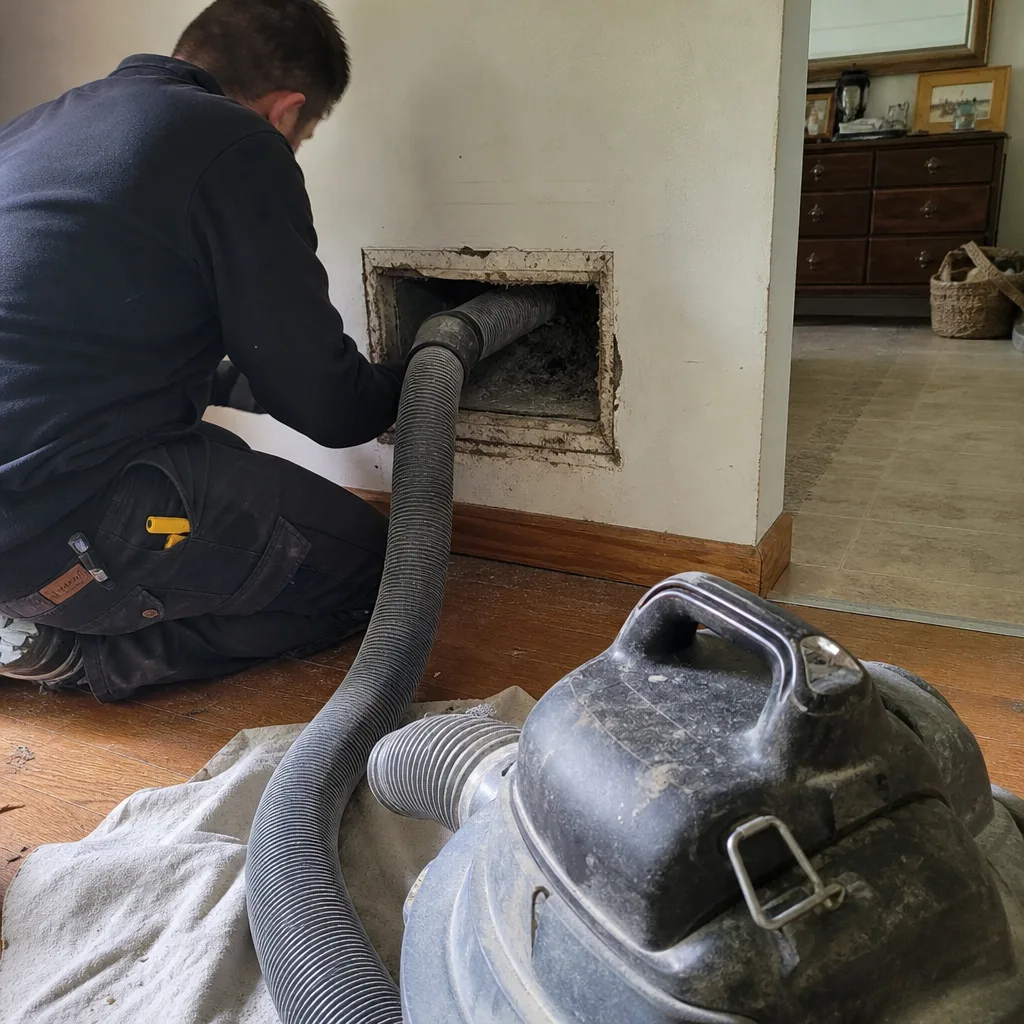 Before
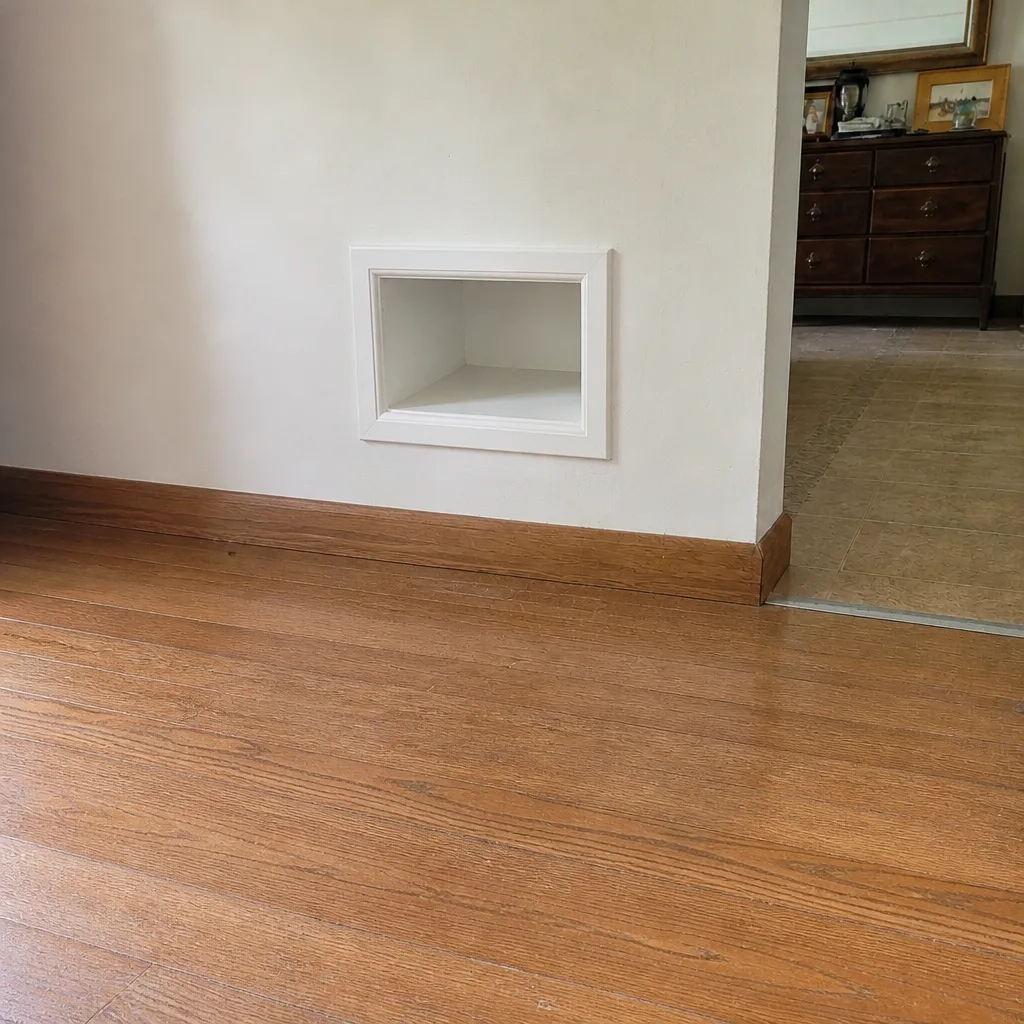 After
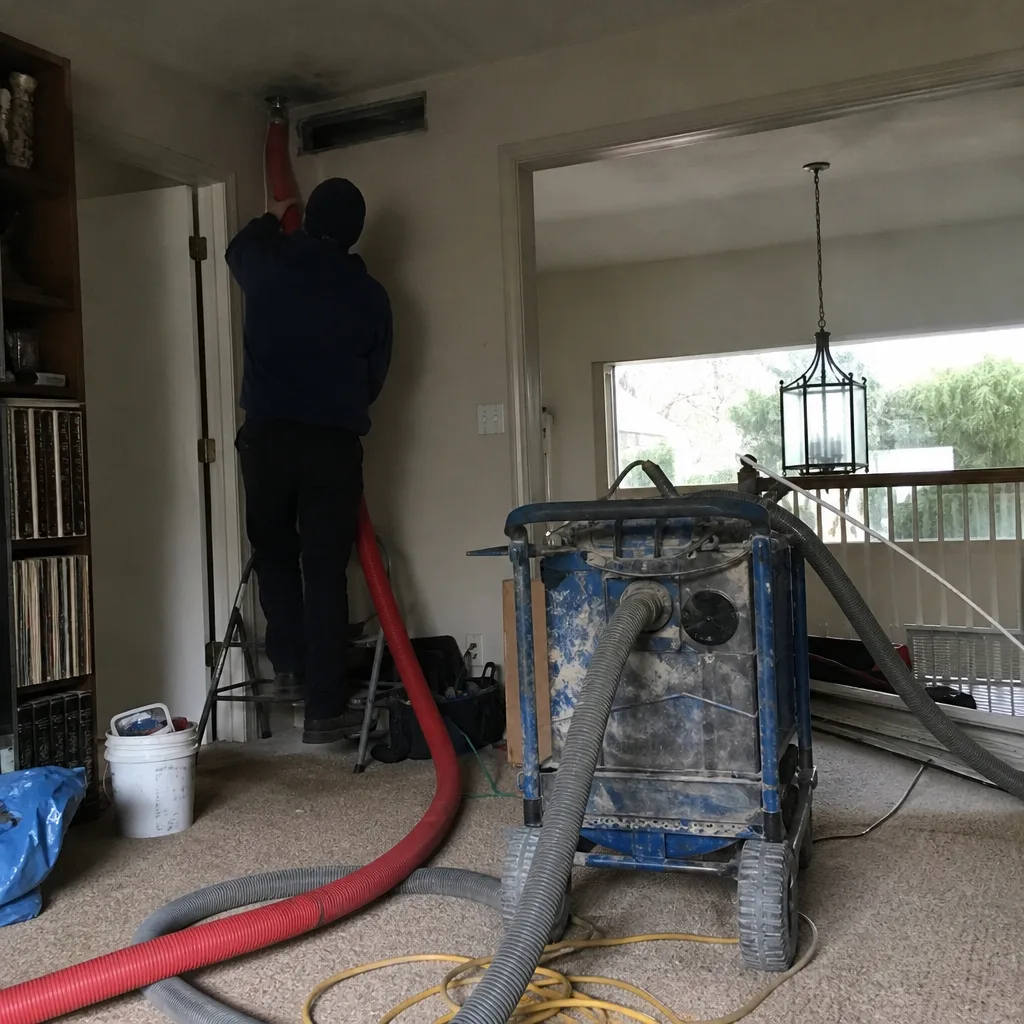 Before
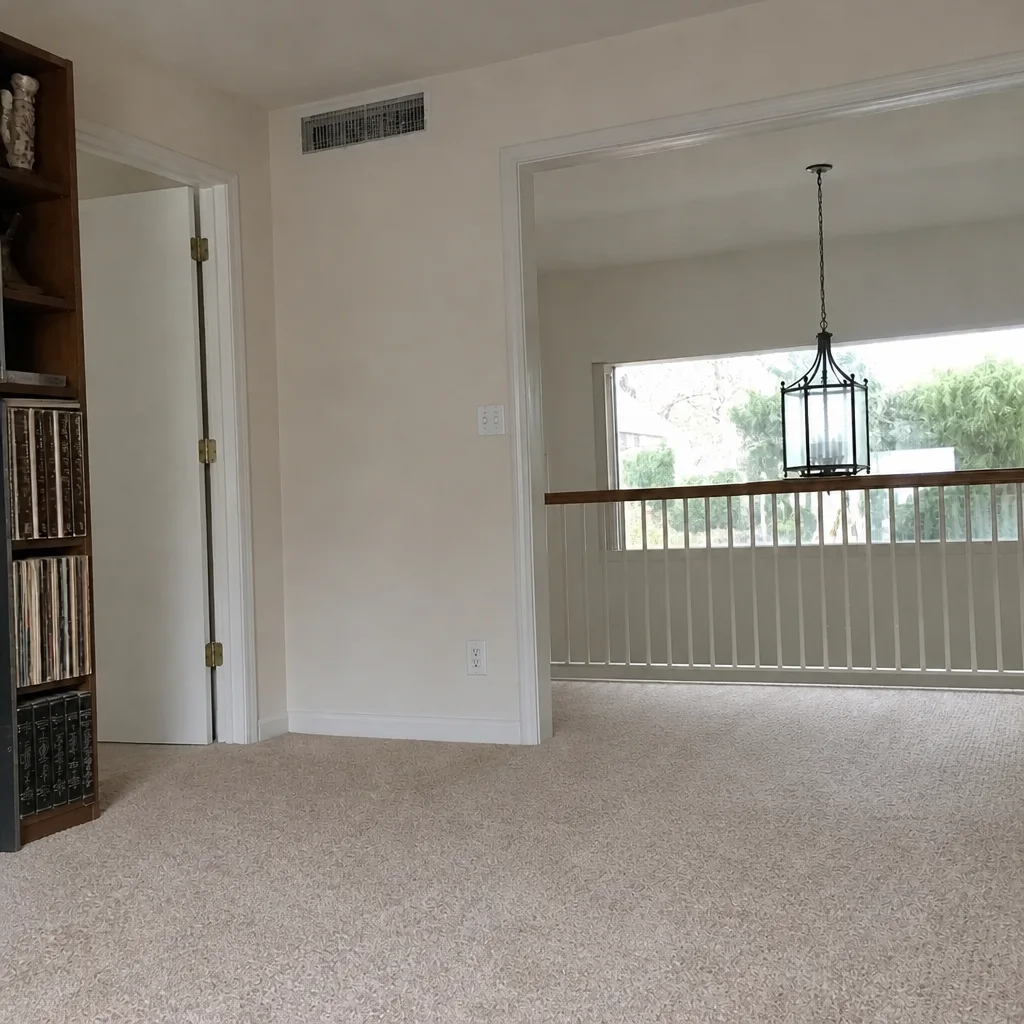 After
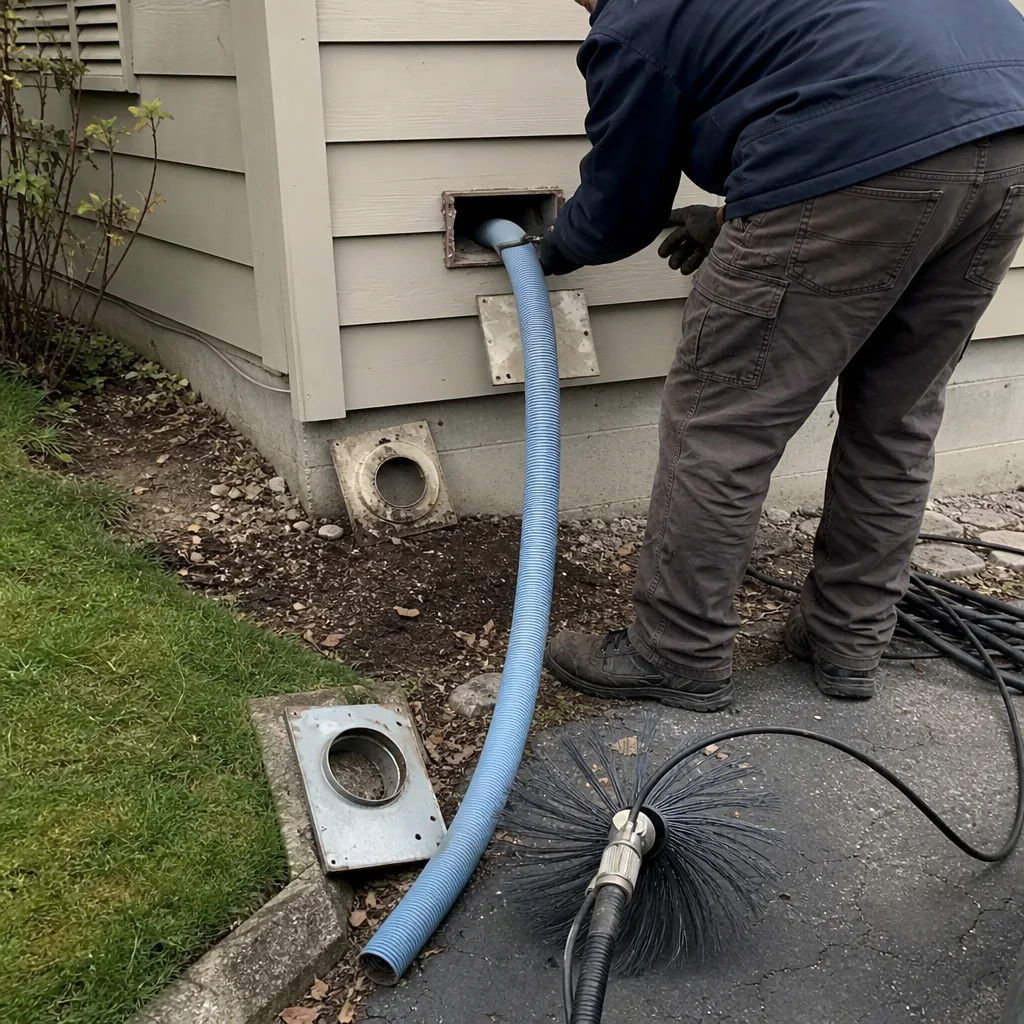 Before
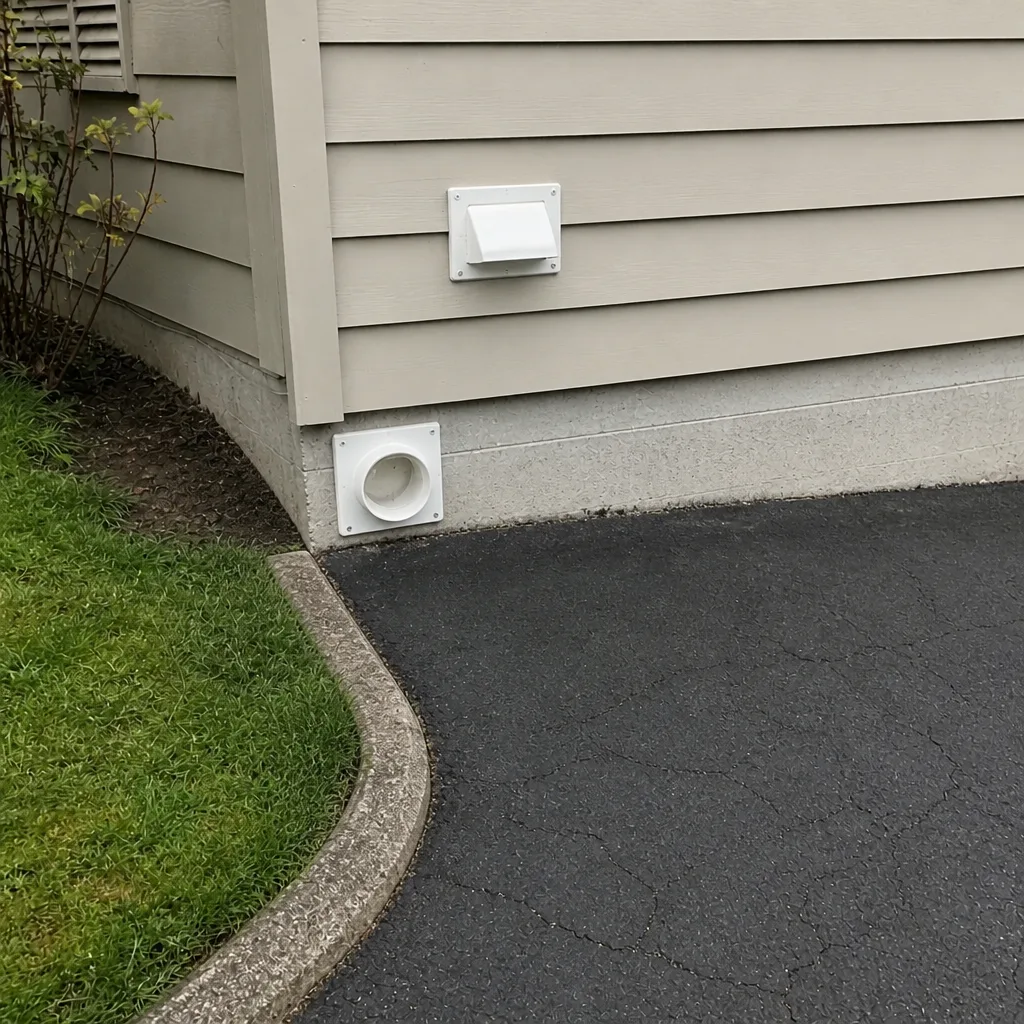 After
When to Call a Professional
Some problems you can rule out. Others need an inspection. Any of these are a good reason to get a professional on site:
- The system starts with a musty or fungal smell that fades once it runs – that’s a return-side or liner issue
- A room never heats or cools properly despite the rest of the house working, which is a classic sign of a disconnected run
- Furniture and surfaces get dusty within days of cleaning
- You’ve had a remodel and can’t confirm the ducts were capped and sealed during it
- The dryer is taking longer to dry, or the vent has never been serviced
- You’re a property manager responsible for a unit’s indoor air quality
Kirkland Air Duct Cleaning offers free estimates in Kirkland – call (855) 812-5163. We answer 24/7. Fast dispatch from 7am to 7pm, Sunday through Friday. Dryer vent work is its own call, so get it scheduled even if the air ducts are fine. If the house has never been inspected as a system, that’s the starting point.
Frequently Asked Questions
Expect whole-system pricing, quoted per system rather than per vent, with one flat price agreed in writing before work starts. That’s the model that protects you: you see the scope before the equipment runs, and the price you agreed is the price. Cheap per-vent quotes tend to grow once the technician is inside. Call (855) 812-5163 for an exact quote – estimates are free.
There’s no fixed schedule, and that’s the honest answer. The EPA doesn’t recommend one. The right interval depends on what the inspection finds: dust load, moisture, whether the system has leaks, and whether anyone in the home has respiratory sensitivities. Homes with damaged ducts or pets or recent remodels benefit from a system check sooner. A homeowner can usually decide after one honest inspection, not from a calendar. Call us for a free estimate in the meantime.
Because they’re quoting a shortened job. A blow-and-go pass with a shop vacuum costs the contractor almost nothing and leaves most of the system untouched, so it can be sold cheap. Rotary agitation, HEPA negative pressure, and air-filtration containment all cost real time, and the quote reflects it. Cleaning the return side, plenum, and coil is the part that takes the work. A cheap quote usually skips all three. Call (855) 812-5163 for a real scope and an honest number.
Ask for before-and-after photos of your own ducts, the list of components serviced, and a written report of the inspection findings. A credible contractor offers all three without being asked, because they know you can’t see inside the ducts. If there’s no photo of the branch they cleaned, assume they didn’t clean it. Call us for a scope conversation before you book anyone.
Treat the dryer vent as a separate fire-safety service, not an afterthought. It clogs independently of the air duct system, and a clogged vent is the kind of problem that gets noticed too late. We offer dryer vent cleaning as a dedicated service for that reason. It’s worth a separate appointment even if the air ducts are fine. Call (855) 812-5163 to get it scheduled.
Yes, when it’s found during inspection. We handle cleaning and repair under one provider, so a disconnected run identified in the scope gets reconnected and sealed in the same visit the cleaning happens. That’s the point of full-system work: the diagnostic and the fix don’t get handed off between two companies with a gap in the middle. Call (855) 812-5163 and describe what you’re seeing.
The Bottom Line
Air duct cleaning is a diagnostic process, and the cleaning is one possible output. A full-system inspection covers the return side, plenum, coil, and blower, not just the vents you can see, and what it finds determines the right scope. Kirkland’s damp, closed-up climate makes moisture, microbial growth, and sanitizing part of the picture in a way a drier market doesn’t. Source removal with rotary agitation and HEPA capture is what does the work; blow-and-go is what gets skipped. And before-and-after photos are how you verify either happened. We wrote this guide because understanding the process changes how you evaluate every contractor you’ll ever call. Learn more about the full service at our Kirkland Air Duct Cleaning page.
Kirkland Air Duct Cleaning provides residential and commercial air duct cleaning, dryer vent cleaning, HVAC system cleaning, duct repair and sealing, and air quality sanitizing services. We use professional-grade equipment from Rotobrush, Nikro, and Abatement Technologies, and we work with Honeywell and Aprilaire air-quality products.
Call (855) 812-5163 for a free estimate. We answer 24/7. Fast dispatch from 7am to 7pm, Sunday through Friday. One flat price per system, agreed before work starts, before-and-after photos of your own ducts, and a satisfaction guarantee on the work. If you’re not sure whether your ducts need anything, get an inspection first and let the findings decide.
Written by the team at Kirkland Air Duct Cleaning.