
Last updated November 25, 2026
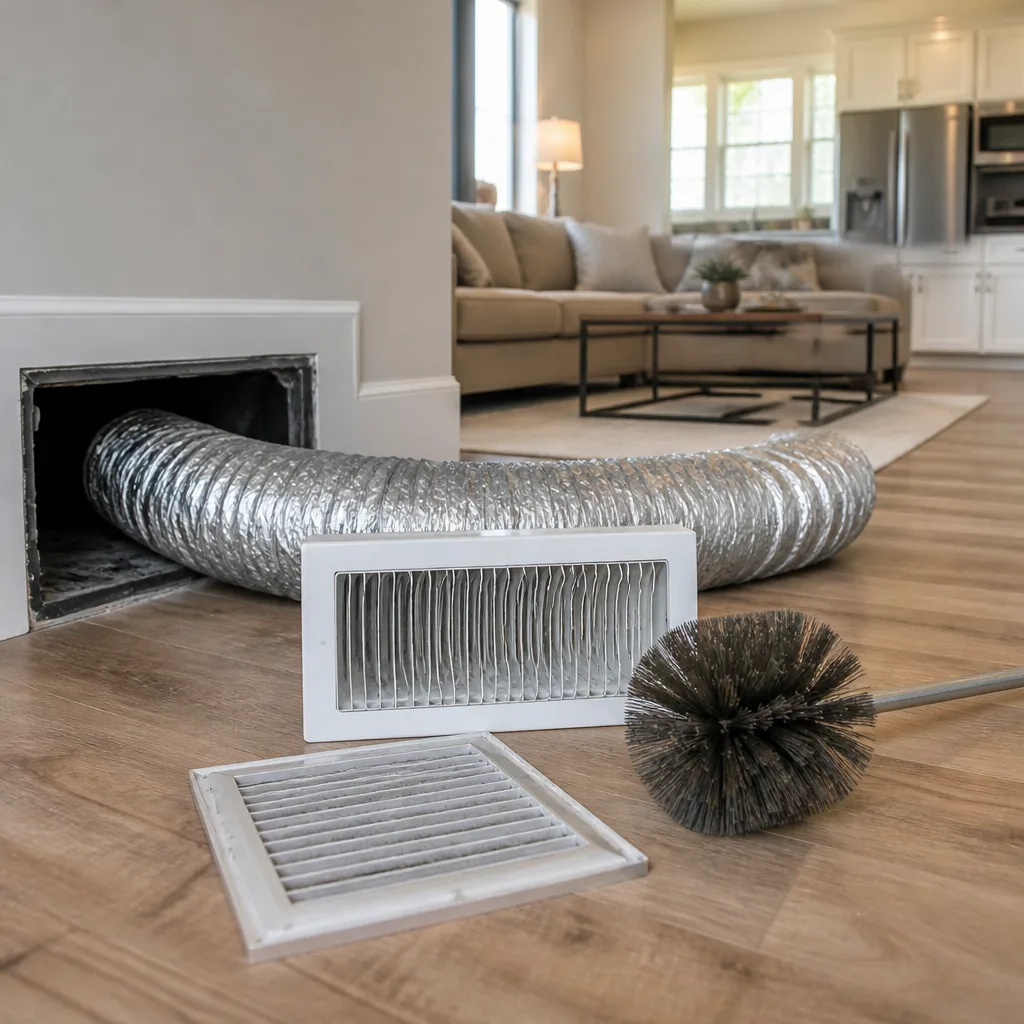 Whole-home duct cleaning
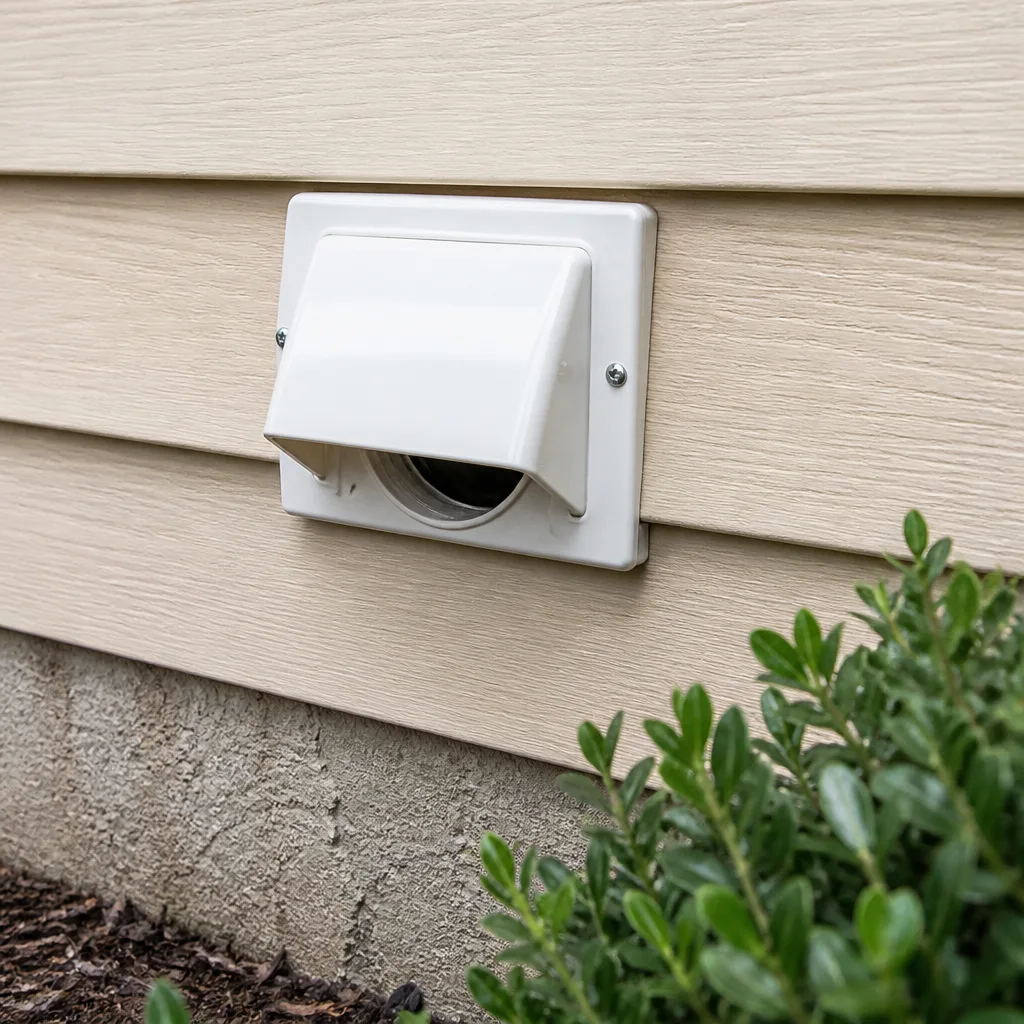 Dryer vent cleaning
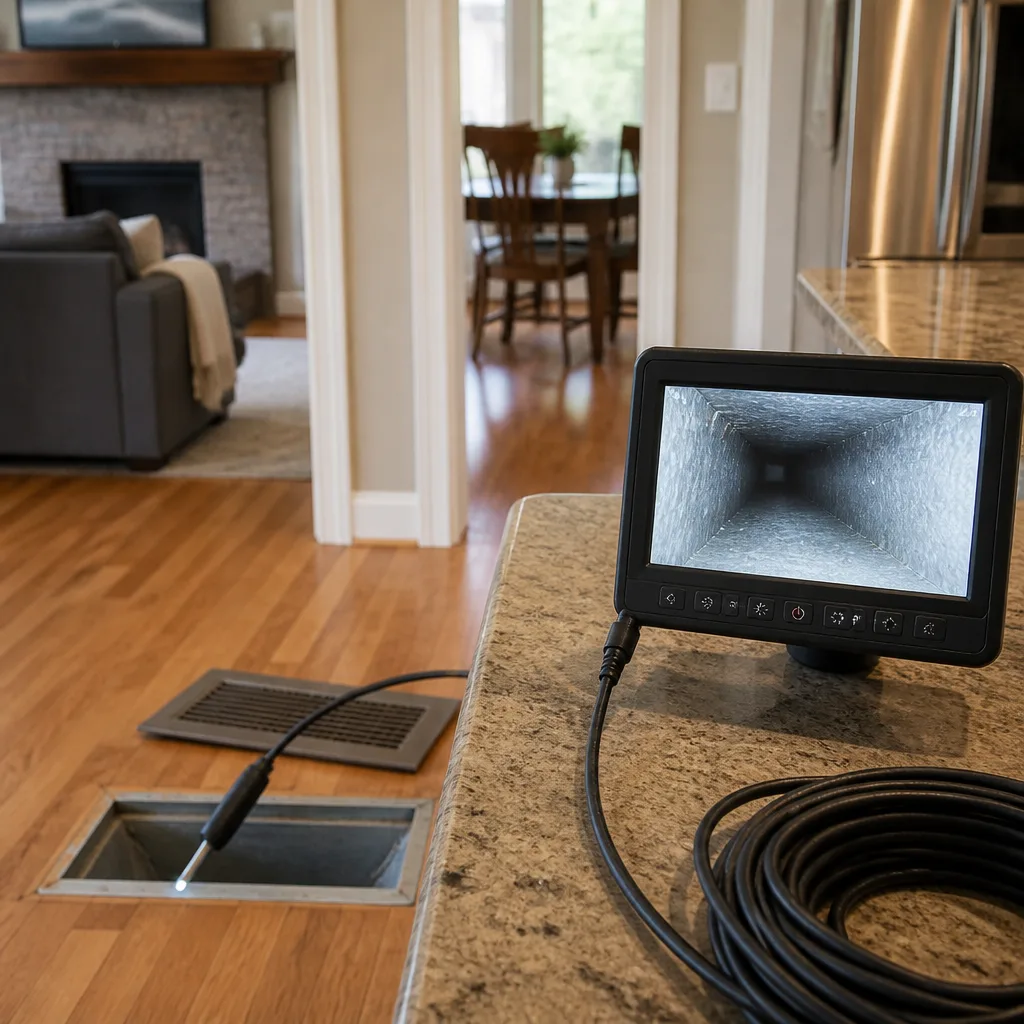 Camera inspection
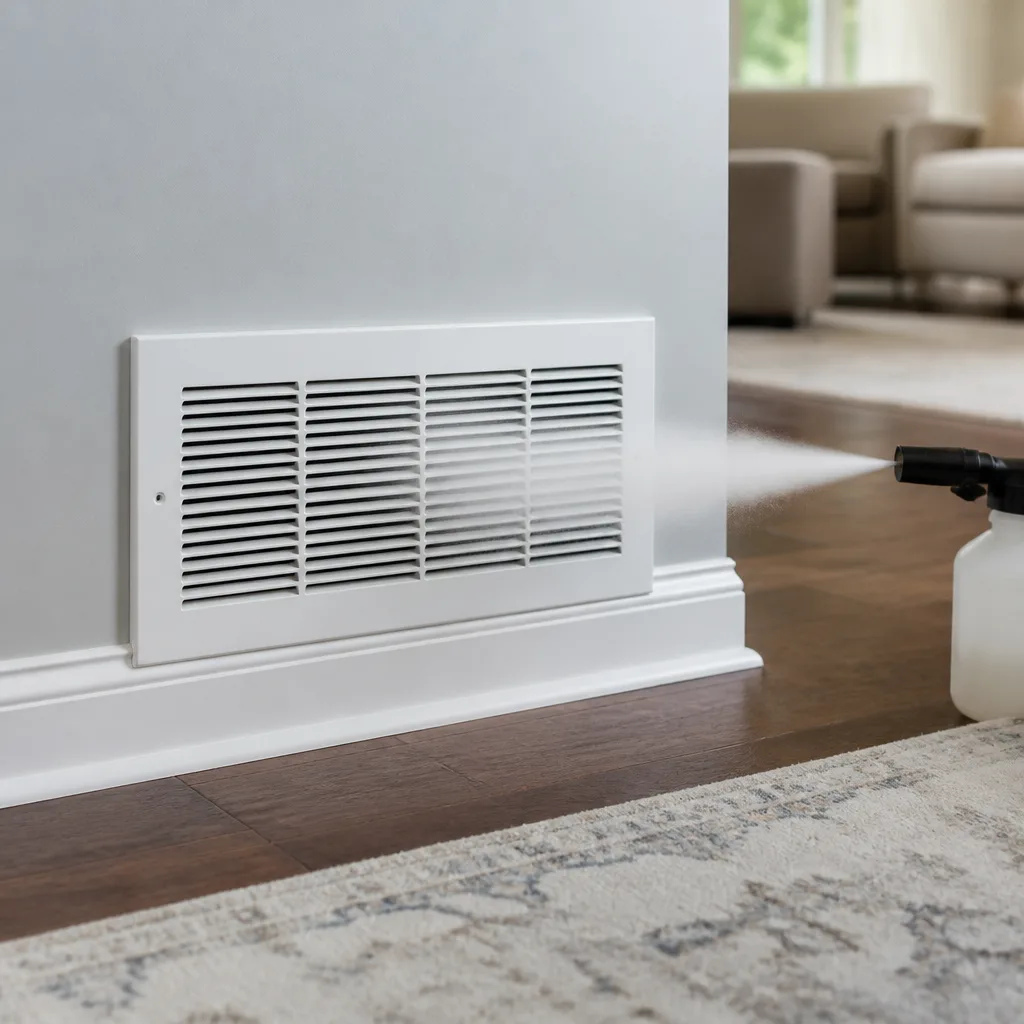 Sanitizing & deodorizing
Whole-system duct and dryer vent check with before-and-after photos - you see exactly what came out of your vents
That "$99 whole-house special" is a bait ad - the real number appears once they are in your hallway, or the "clean" is a shop-vac at the register. We photograph the inside of your ducts before and after instead.
Choosing the Right Air Duct Cleaning Brand: A Buyer’s Guide for Kirkland
Any company can buy Google reviews. That’s not cynicism, it’s just how the platform works. What a company can’t buy is truck-mounted negative-pressure equipment, technicians who know what they’re looking at inside a duct system, and documented reporting that shows you exactly what was cleaned and what was found. Those things cost real money and require real operational depth. And yet most Kirkland homeowners choosing an air duct cleaning company still start with a star rating and a price quote over the phone. This guide is about flipping that order. We’ll walk through how to evaluate equipment credibility, why service depth matters more than a low headline price, what a service guarantee should actually cover, how to verify a contractor’s standing with Washington State, and how the local-versus-franchise trade-off plays out in practice.
Quick Answer
The right air duct cleaning brand in Kirkland is the one that can demonstrate three things: professional-grade equipment (rotary brush systems and HEPA filtration, not shop vacuums), a service scope that includes repair and sealing alongside cleaning, and verifiable contractor standing through Washington State’s license lookup. Review counts and advertised prices tell you almost nothing about whether the work will actually be done properly.
Styles & brands we work with
- Whole-home duct cleaning
- Dryer vent cleaning
- Camera inspection
- Sanitizing & deodorizing
Table of Contents
- How Do You Evaluate a Brand’s Equipment Credibility?
- Why Does Service Depth Matter More Than Price?
- What Should a Service Guarantee Actually Cover?
- How Do You Verify a Contractor in Washington State?
- Local vs. National Franchise: What’s the Real Trade-Off?
- What Should Post-Job Reporting Include?
- What Does a Proper Full-System Cleaning Involve?
- Common Mistakes to Avoid
How Do You Evaluate a Brand’s Equipment Credibility?
The single fastest way to separate a serious duct cleaning company from a marketing operation is to ask what equipment they use, by name. A credible company answers immediately and specifically. A company that hedges with “industrial equipment” or “state-of-the-art machinery” without naming anything is telling you something.
Here’s what to listen for. Rotary brush systems, like the Rotobrush line used across the HVAC industry, mechanically agitate debris off duct walls rather than just blowing air through. HEPA vacuum systems, such as Nikro units, trap fine particulate instead of recirculating it into your home. Air filtration equipment from Abatement Technologies captures dislodged contaminants at the source during the cleaning process. Those three categories working together are what a real cleaning looks like.
Consumer-grade shop vacuums and generic “air whip” tools exist, and some companies use them. They can move dust around, but they don’t meet the standard that organizations like NADCA (the National Air Duct Cleaners Association) set for source removal. If a company can’t tell you what brand of vacuum and what brand of brush system they run, treat that as a gap in credibility.
In Kirkland, where many homes sit on crawl spaces or have older galvanized duct systems, the equipment class matters even more. Flexible brush systems navigate the transitions and elbows that rigid tools can’t reach, and HEPA capture keeps what comes loose from ending up on your furniture.
In our experience, the equipment conversation is where the real professional and the casual operator separate, and it takes about two minutes on the phone to find out which one you’re talking to.
Why Does Service Depth Matter More Than Price?
A company that only cleans is solving half the problem. Duct systems fail in ways that cleaning alone can’t fix: disconnected joints, crushed flex runs, leaking seams where supply ducts pass through unconditioned space. If the crew that arrives can’t identify and repair those failures, you’ve paid for a vacuuming, not a solution.
Look for a provider whose scope covers the full system lifecycle:
- Cleaning – source removal of debris from supply and return runs
- Dryer vent clearing – a dedicated lint and obstruction removal service, treated as a fire-safety job rather than an add-on
- HVAC system cleaning – the air handler, coil area, and connected components, not just the duct runs
- Duct repair and sealing – closing leaks, reconnecting dislodged joints, restoring the system’s integrity
- Air-quality sanitizing – treating the system after cleaning to address what’s growing or lingering inside
A company with all five under one roof can diagnose and remediate in a single visit. A company with only the first category will clean around a problem and leave it in place. When you’re booking air duct cleaning in Kirkland, ask specifically whether repair and sealing is something the crew does or something they refer out. The answer tells you how deep the operation actually goes.
Dryer vents deserve their own mention here. Lint accumulation in a dryer vent is a genuine fire risk, and it’s the part of the job most clean-only companies skip or rush. A company that treats dryer vent cleaning as a standalone service with its own equipment and its own inspection process is signaling that it understands the stakes.
What Should a Service Guarantee Actually Cover?
Most duct cleaning companies advertise some version of “satisfaction guaranteed.” Read the fine print, because the phrase covers wildly different things. A meaningful guarantee has three components: a defined standard of work, a defined remedy, and documentation that lets you verify the work happened.
Here’s what to check before you book:
- The standard. Does the company say the work will meet a recognized source-removal standard, or does it just promise you’ll be happy? “Happy” is subjective. Source removal is measurable.
- The remedy. If you’re not satisfied, what happens? A re-clean? A refund? Nothing at all? Get this in the written estimate before work starts.
- The documentation. Does the company provide before-and-after photos of your own ducts? This is the piece most guarantees quietly exclude, and it’s the most important one.
- The exclusions. Many guarantees exclude pre-existing damage, inaccessible runs, or work the technician flagged but you declined. That’s reasonable, but you should know it going in.
- The pricing structure. A guarantee attached to a per-vent price isn’t worth much, because the scope can shift on site. One flat price per system, agreed in writing before work begins, is the structure that makes a guarantee meaningful.
“Satisfaction guaranteed” language often excludes the one thing you actually want: proof that the ducts were cleaned. Before-and-after photos of your own system, taken during the job, close that gap. Ask for them explicitly.
How Do You Verify a Contractor in Washington State?
Washington State requires contractors to register with the Department of Labor & Industries, and the lookup is public and free. Before you book anyone for duct work in Kirkland, spend two minutes on it.
Here’s the process:
- Get the company’s exact registered business name. Not the marketing name on the website if it differs, the legal name.
- Search the Department of Labor & Industries contractor registration database online.
- Confirm the registration is active, not suspended or expired.
- Check whether the registration covers the type of work you’re hiring for.
- Ask for a certificate of insurance and confirm the policy is current. A licensed and insured local professional should provide this without hesitation.
What you’re looking for is simple: an active registration and current insurance. What you’re protecting against is also simple: a company that disappears when something goes wrong. Duct work touches your HVAC system, and a botched job can mean a disconnected run that vents into a crawl space or a damaged air handler. Registration and insurance are what stand between you and absorbing that cost yourself.
This step takes less time than reading a single review. It tells you more.
Local vs. National Franchise: What’s the Real Trade-Off?
National franchises bring brand recognition and standardized procedures. Local independent operators bring owner accountability and equipment decisions made by the person doing the work. Neither model is automatically better, but the differences matter for your outcome.
Franchise operations vary widely. Some are well-run with strong equipment and training programs. Others are purchased as business investments by people who never touch a duct, staffed with rotating technicians, and measured on average ticket size. The brand on the van tells you nothing about which version you’re getting.
Local operators face a different set of pressures. A company working in Kirkland and the surrounding Eastside can’t afford a bad reputation in a market where word travels. That accountability usually shows up in equipment investment and in how thoroughly a job gets documented. It can also mean a smaller service area and less scheduling flexibility.
What to ask either one:
- Who owns the equipment, and can they name the brands?
- How are technicians trained, and does the same crew handle cleaning and repair?
- What does post-job documentation look like?
- Where does the company physically operate from, and how far does it travel?
One practical trade-off: a company with repair and sealing capability, dedicated dryer vent service, and air-filtration equipment during the cleaning is almost always a local or regional operation, because that equipment investment is harder to justify at franchise scale unless the franchisee is committed to it. The questions above are how you find out whether the one in front of you is.
What Should Post-Job Reporting Include?
The van leaves. How do you know what actually happened inside your ducts? A credible company answers this with documentation, not reassurance.
Ask before booking what you’ll receive after the job. A reasonable answer includes:
- Before-and-after photos of the duct runs, taken during the cleaning
- A written summary of what was found and what was cleaned
- Any issues identified that fall outside the cleaning scope (disconnected joints, damaged flex, restricted runs)
- Recommendations for repair, sealing, or air-quality components where relevant
This matters because duct cleaning is difficult to verify after the fact. You can’t see inside your supply runs from the living room. Photos taken during the job are the only real evidence. A company that provides them is a company confident in its work. A company that doesn’t is asking you to take it on faith.
The report also has practical value. If the crew finds a disconnected flex run in a Kirkland crawl space, that’s a repair opportunity, and knowing about it lets you plan the fix rather than wondering why one room never heats properly. If they find a dryer vent packed with lint, that’s a fire-safety finding worth acting on immediately. The report is the difference between a service and a receipt.
What Does a Proper Full-System Cleaning Involve?
A real cleaning follows a sequence. If a company can’t describe theirs, ask why. Here’s what the process should look like from booking to sign-off:
- Phone assessment. The company asks about your system type, home age, and whether you’ve had duct work done before. Vague answers here are a warning sign.
- On-site inspection. Before cleaning, the technician inspects the system: supply and return runs, air handler, accessible transitions, and the dryer vent if included.
- Negative pressure setup. A HEPA vacuum connects to the system to create negative pressure, so dislodged debris is captured rather than released into the home.
- Source removal. Rotary brush equipment agitates debris off duct walls, working through each run. Air filtration equipment captures fine particulate at the source.
- Sanitizing (if requested). After cleaning, the system can be treated to address what’s inside. This is step five, not step one, because sanitizing a dirty duct is pointless.
- Repair and sealing assessment. The technician identifies any disconnections, leaks, or damage found during the process and documents them.
- Walkthrough and documentation. Before-and-after photos, a summary, and a review of findings. You should be able to ask questions and get clear answers.
Companies that also handle HVAC cleaning extend this process to the air handler and coil area, which is where a lot of the accumulated debris actually sits. If your duct system is being cleaned, the air handler is worth discussing.
Common Mistakes to Avoid
- Booking based on a coupon price alone. A low advertised price often means per-vent pricing that balloons once the technician is on site. Ask for a flat price per system, in writing, before you book.
- Not asking about equipment by name. If the answer is “industrial equipment” without specifics, you’re likely getting consumer-grade tools. Ask for brand names and listen for the answer.
- Skipping the license lookup. Washington State’s contractor registration database is free and public. Two minutes on it protects you from a company that won’t be there when something goes wrong.
- Skipping the dryer vent. In Kirkland, where many homes have long dryer vent runs through crawl spaces or wall cavities, lint accumulation is a real fire concern. It deserves its own inspection, not a quick pass.
- Accepting “satisfaction guaranteed” without asking what it covers. Get the remedy and the exclusions in writing. Ask specifically whether before-and-after photos are included.
- Ignoring repair findings. If the crew identifies a disconnected or leaking run, address it. Cleaning a system that’s leaking into a crawl space doesn’t improve your indoor air.
- Not asking what happens after the van leaves. No documentation means no way to verify the work. Ask what you’ll receive before booking.
See the difference
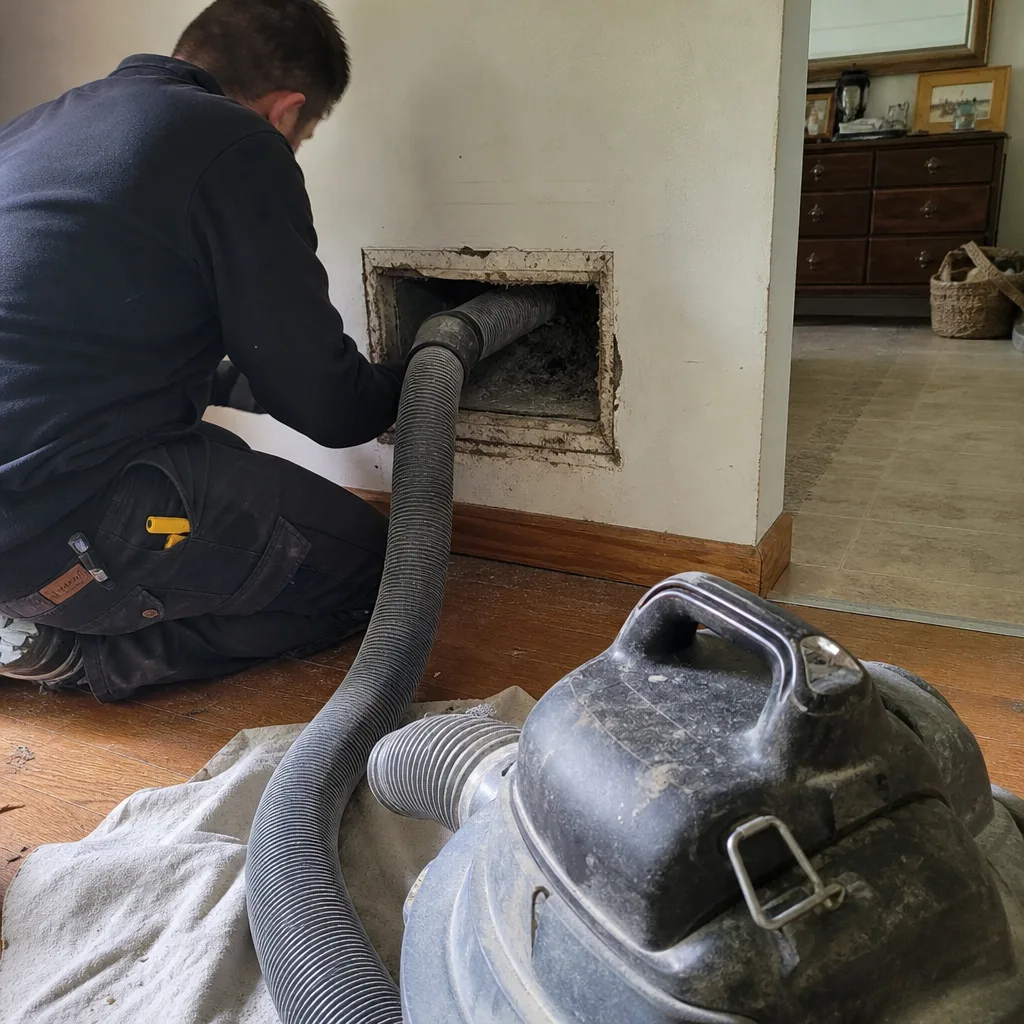 Before
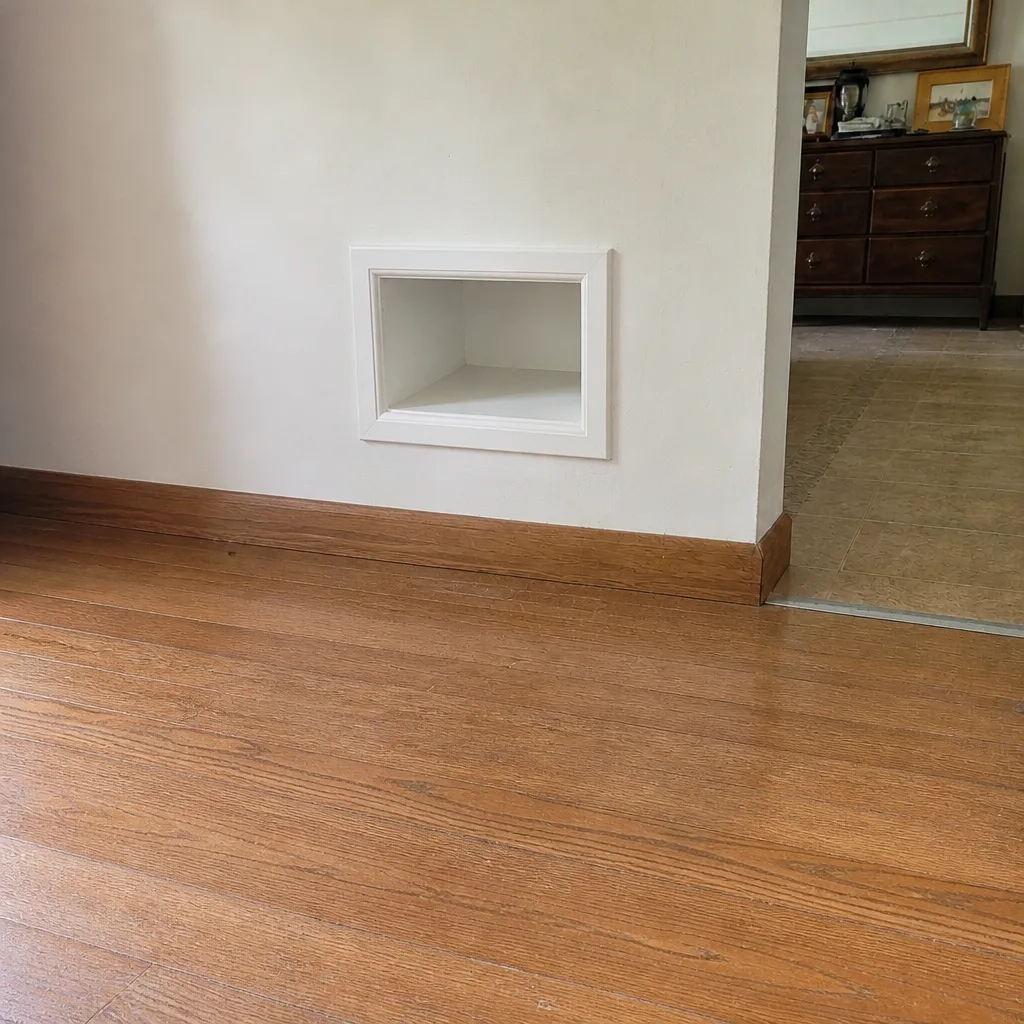 After
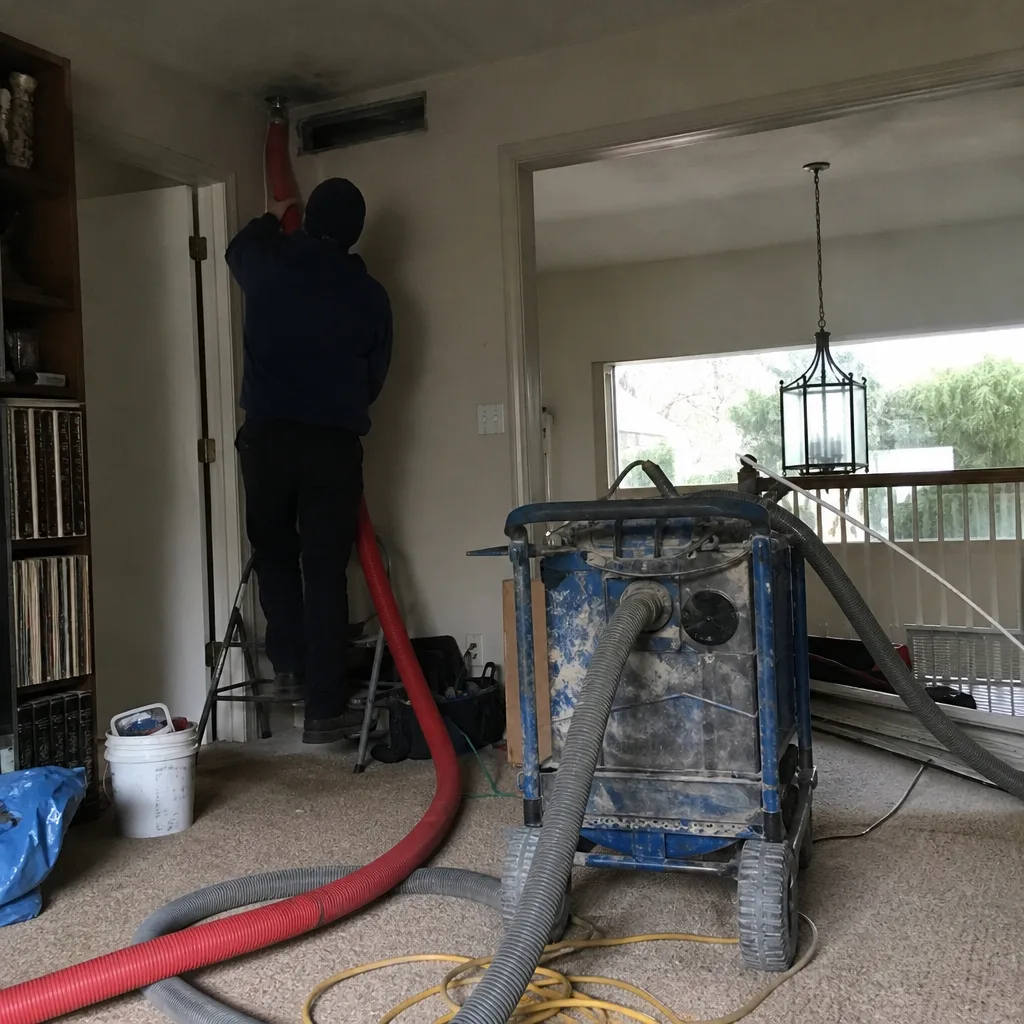 Before
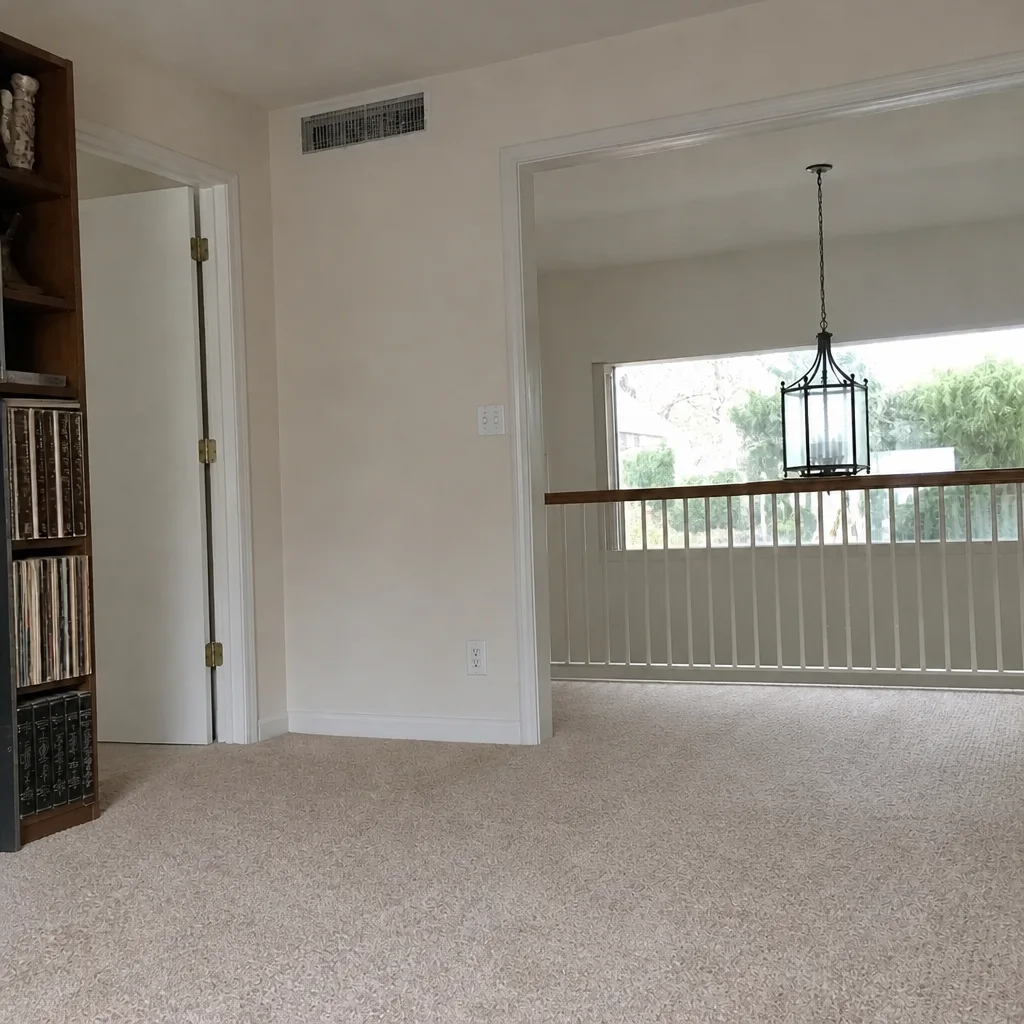 After
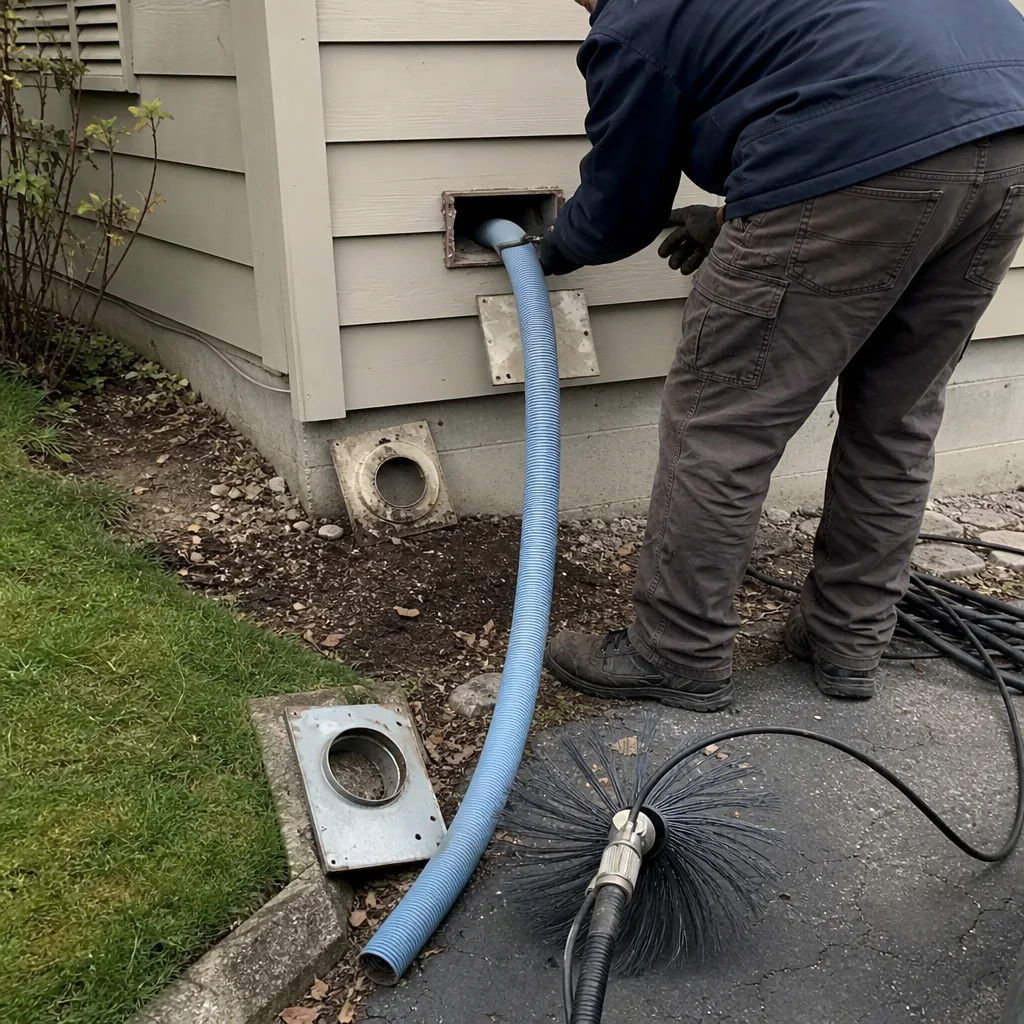 Before
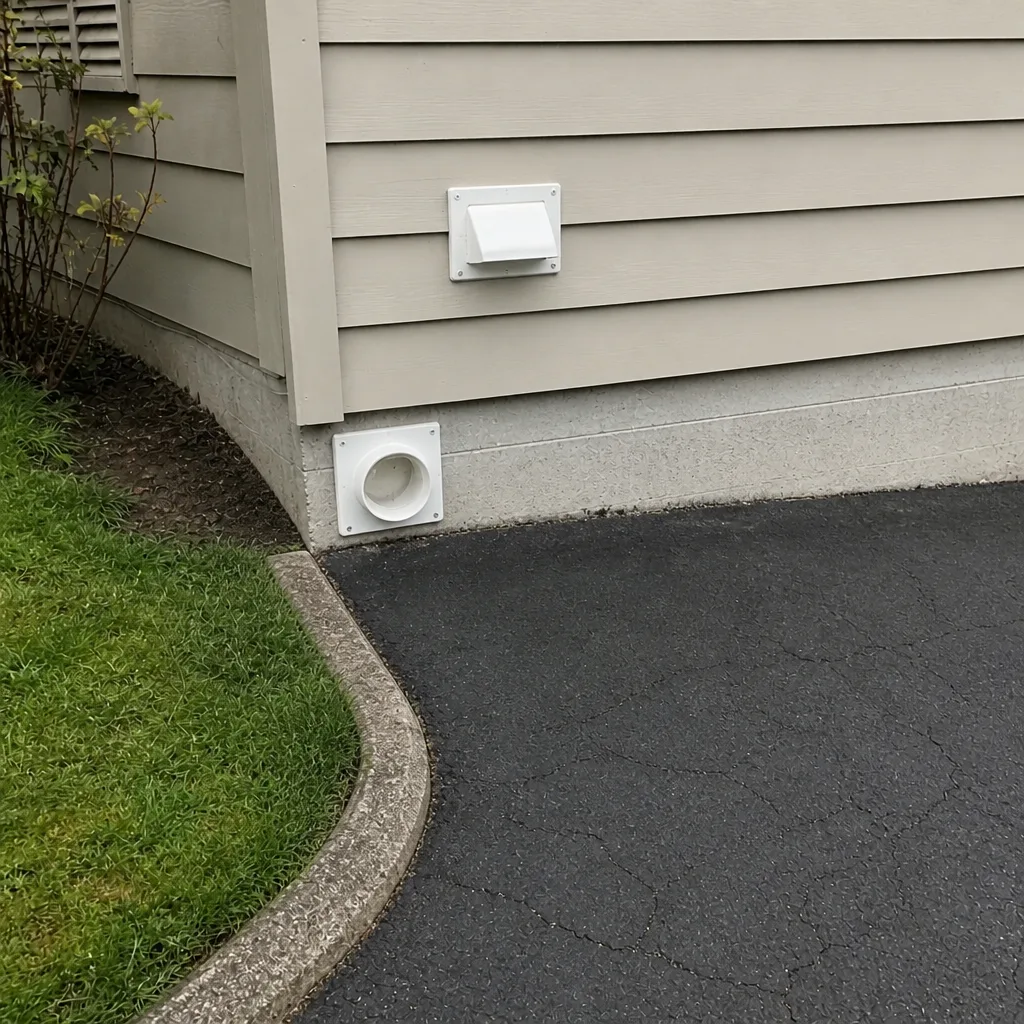 After
When to Call a Professional
Some situations call for a professional assessment rather than a wait-and-see approach. If anyone in the home has allergies, asthma, or respiratory sensitivities that seem worse indoors, a duct inspection is worth doing. If you’ve recently bought a home in Kirkland and don’t know the last time the ducts were cleaned, that’s a reasonable starting point. If you notice musty odors when the HVAC runs, visible debris around supply registers, or a dryer that takes noticeably longer to dry a load, those are signals to get the system looked at. If your energy bills have climbed without a clear explanation, leaking or disconnected ducts are one possible cause. If you’re planning renovations or have just finished them, construction dust travels through the system. Kirkland Air Duct Cleaning offers free estimates in Kirkland. Call (855) 812-5163. We answer 24/7. Fast dispatch from 7am to 7pm, Sunday through Friday.
Frequently Asked Questions
Costs in Kirkland depend on the size of the system, the number of runs, and whether repair, sealing, or sanitizing is needed. Rather than quoting a per-vent figure, we give one flat price per system, agreed in writing before work starts, so the final invoice matches the estimate. Call (855) 812-5163 for an exact quote. Estimates are free.
Cheap quotes usually reflect a smaller scope: consumer-grade equipment, per-vent pricing that grows as the job proceeds, or a cleaning that skips the air handler and the dryer vent. The price on the phone is often not the price at the end. One flat price per system, with before-and-after photos of your own ducts, is the structure that prevents the bait-and-switch. Call (855) 812-5163 for a free estimate.
You should receive before-and-after photos of your duct runs, taken during the cleaning, along with a written summary of what was found. Ask for this before booking. A company that documents its work is a company confident in it. Call (855) 812-5163 to ask what documentation is included with your estimate.
Most homes don’t need annual cleaning. Every few years is reasonable for a typical Kirkland home, sooner if you have pets, have recently renovated, or if anyone in the household has respiratory sensitivities. Dryer vents are a separate schedule and usually need more frequent attention than the duct system. Call (855) 812-5163 to talk through what makes sense for your home.
We’re closed Saturday and open Sunday through Friday, 7am to 7pm. The phone line is answered 24/7, and a call outside dispatch hours is booked into the next opening, Sunday through Friday, 7am to 7pm.
We use Rotobrush rotary brush systems for mechanical agitation, Nikro HEPA vacuum systems for particle capture, and Abatement Technologies air-filtration equipment to capture dislodged contaminants at the source during service. The equipment class matters because consumer-grade tools recirculate dust instead of removing it. Our technicians have up to 11 years of experience with this equipment.
The Bottom Line
Choosing an air duct cleaning brand is an equipment and accountability decision, not a review-count decision. Ask for brand names on the vacuum and brush systems. Ask whether repair and sealing are handled in-house. Verify registration with Washington State’s contractor lookup. Ask what documentation you’ll receive after the work, and make sure the price is flat per system and agreed in writing before anything starts. In Kirkland, where crawl spaces and older duct runs are common, those questions matter more than a five-star average. For a free estimate, call (855) 812-5163. We answer 24/7. Fast dispatch from 7am to 7pm, Sunday through Friday.
Written by the team at Kirkland Air Duct Cleaning.