
Last updated November 25, 2026
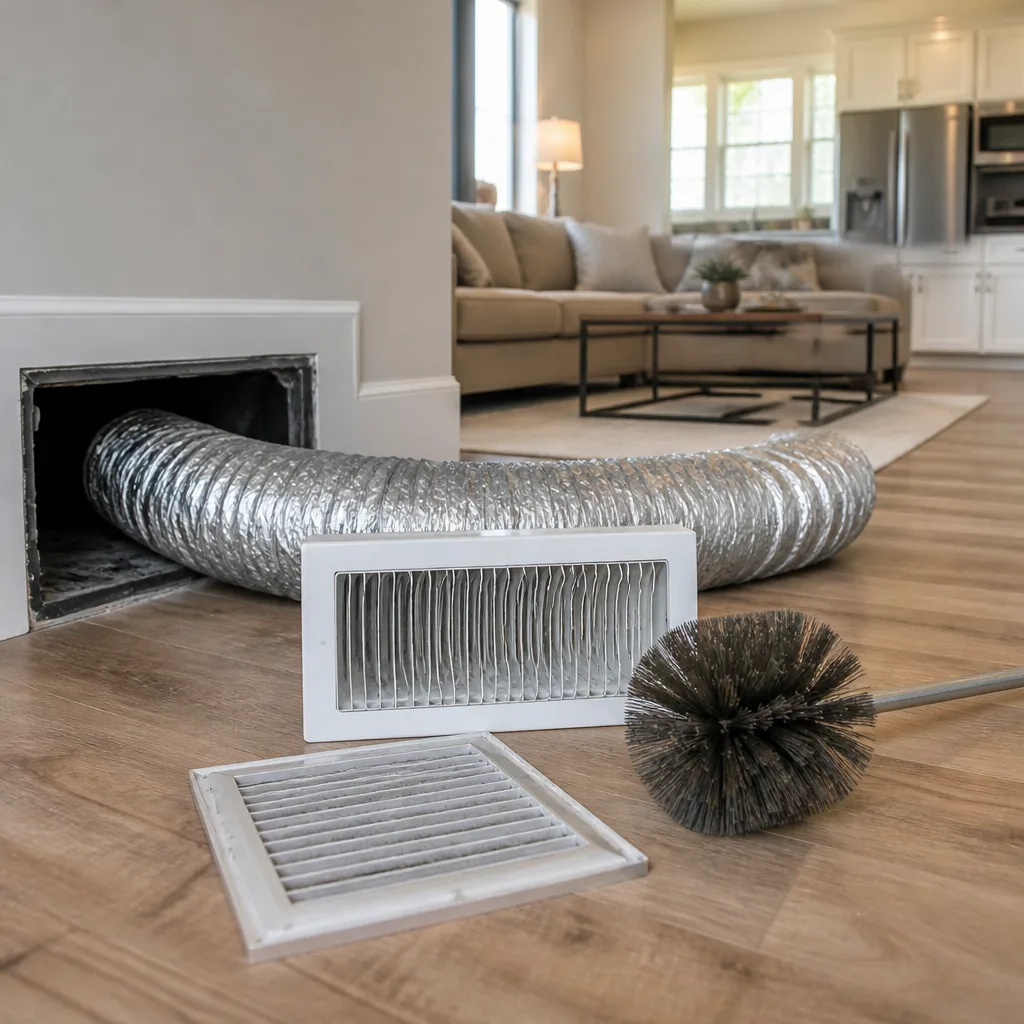 Whole-home duct cleaning
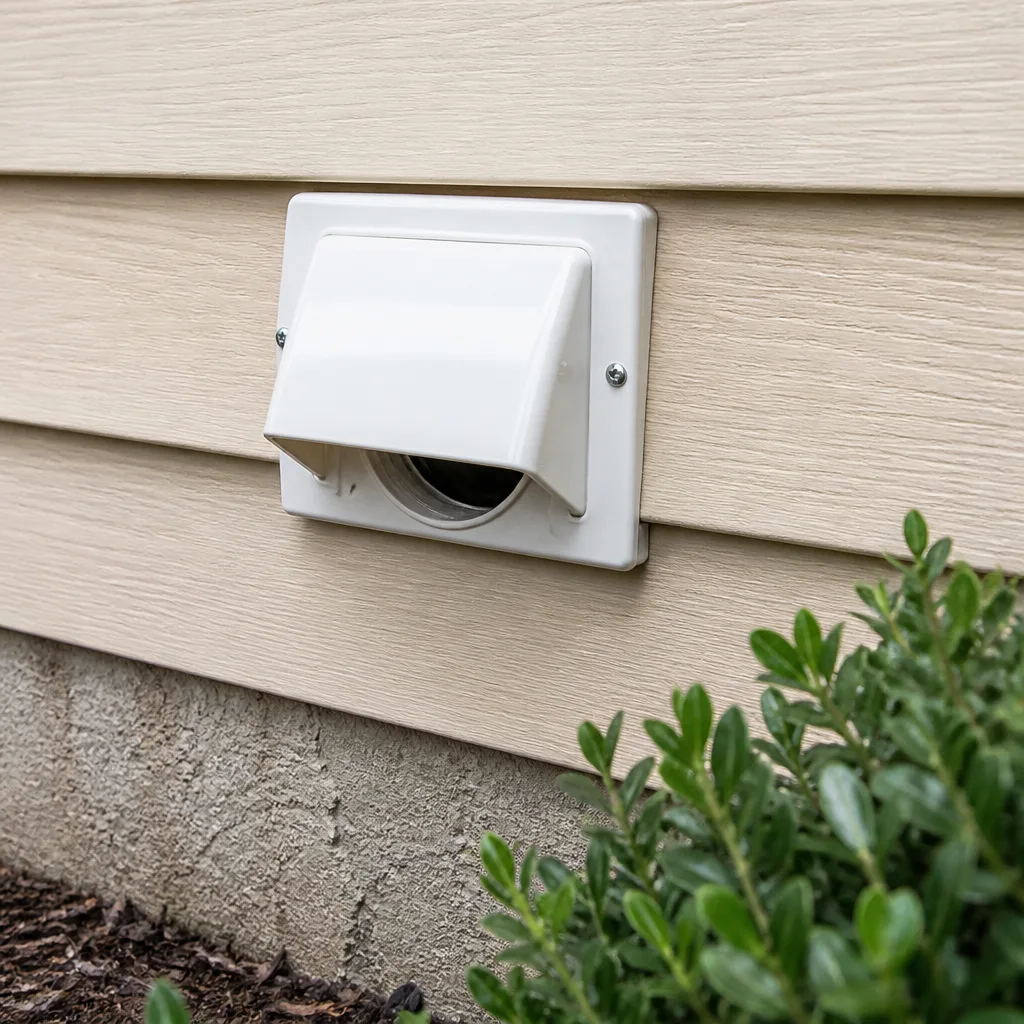 Dryer vent cleaning
 Camera inspection
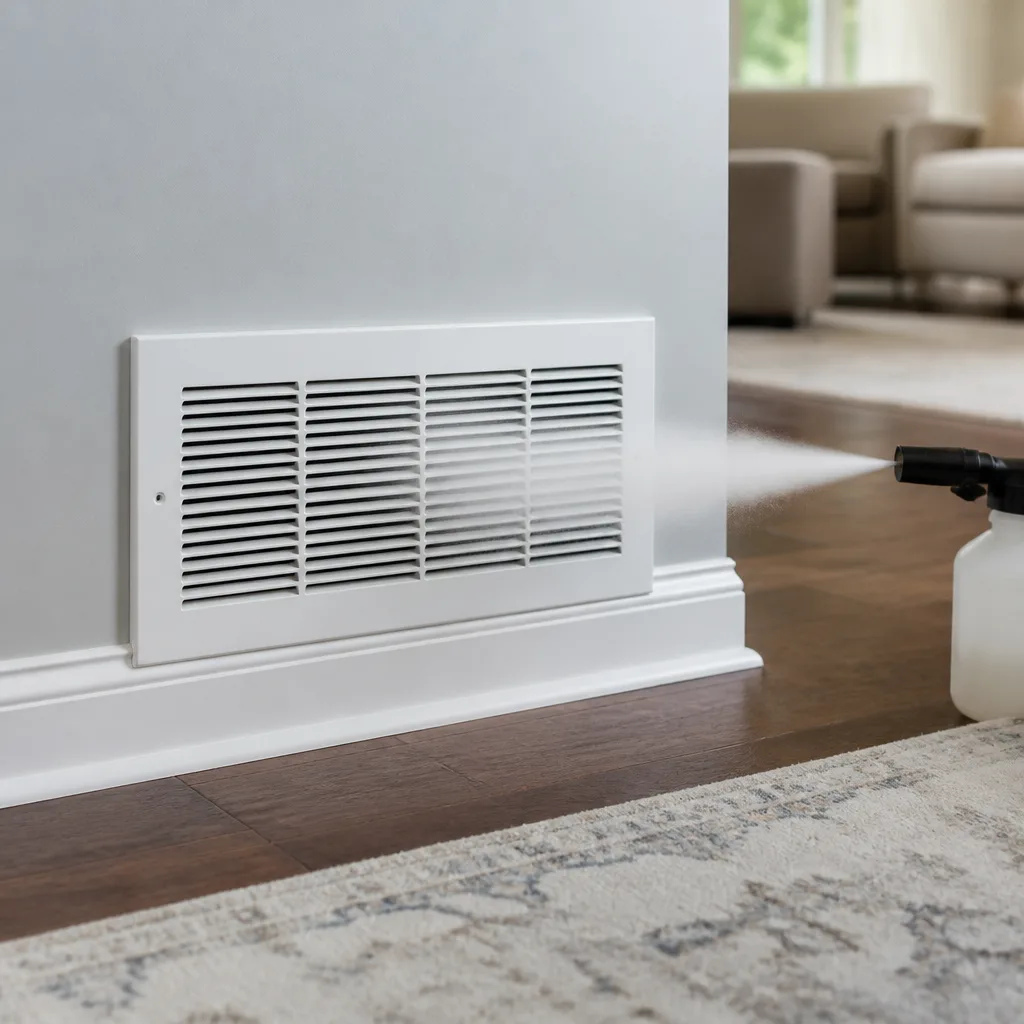 Sanitizing & deodorizing
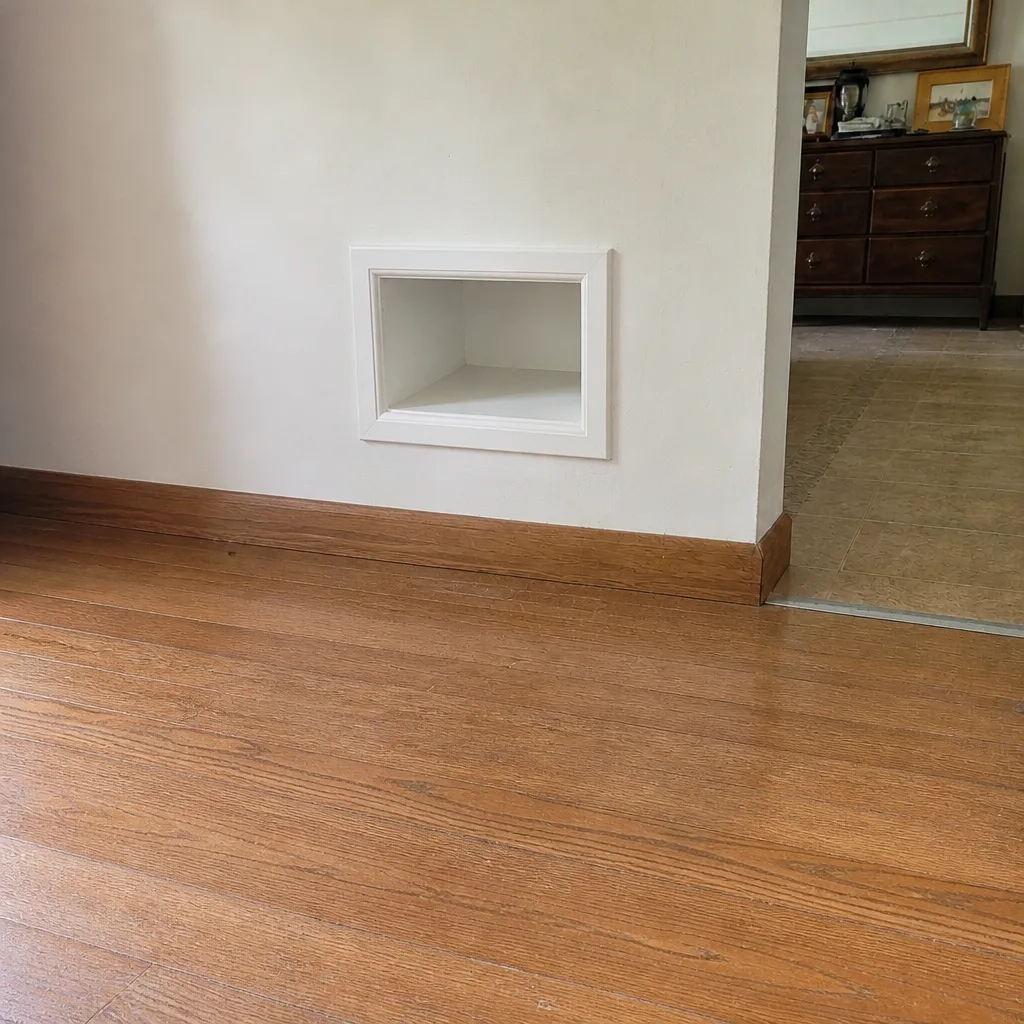
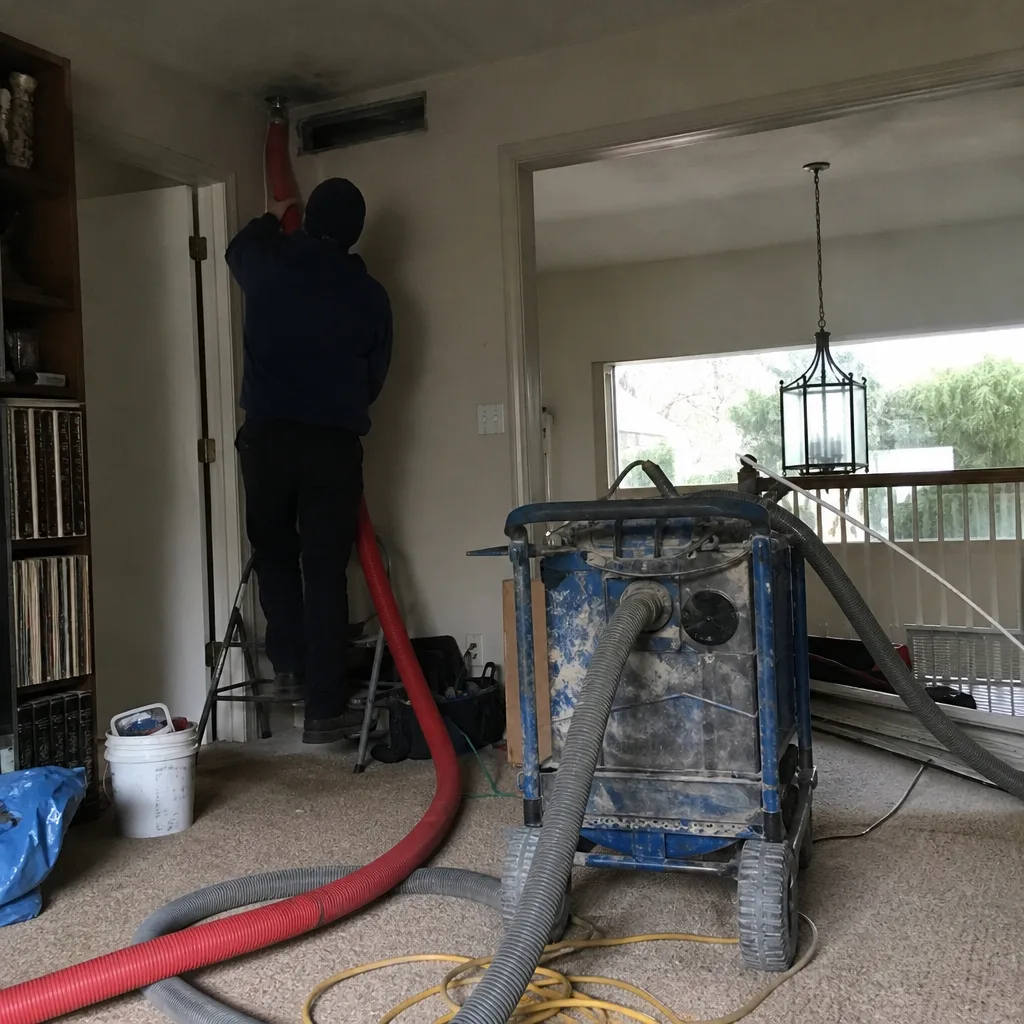
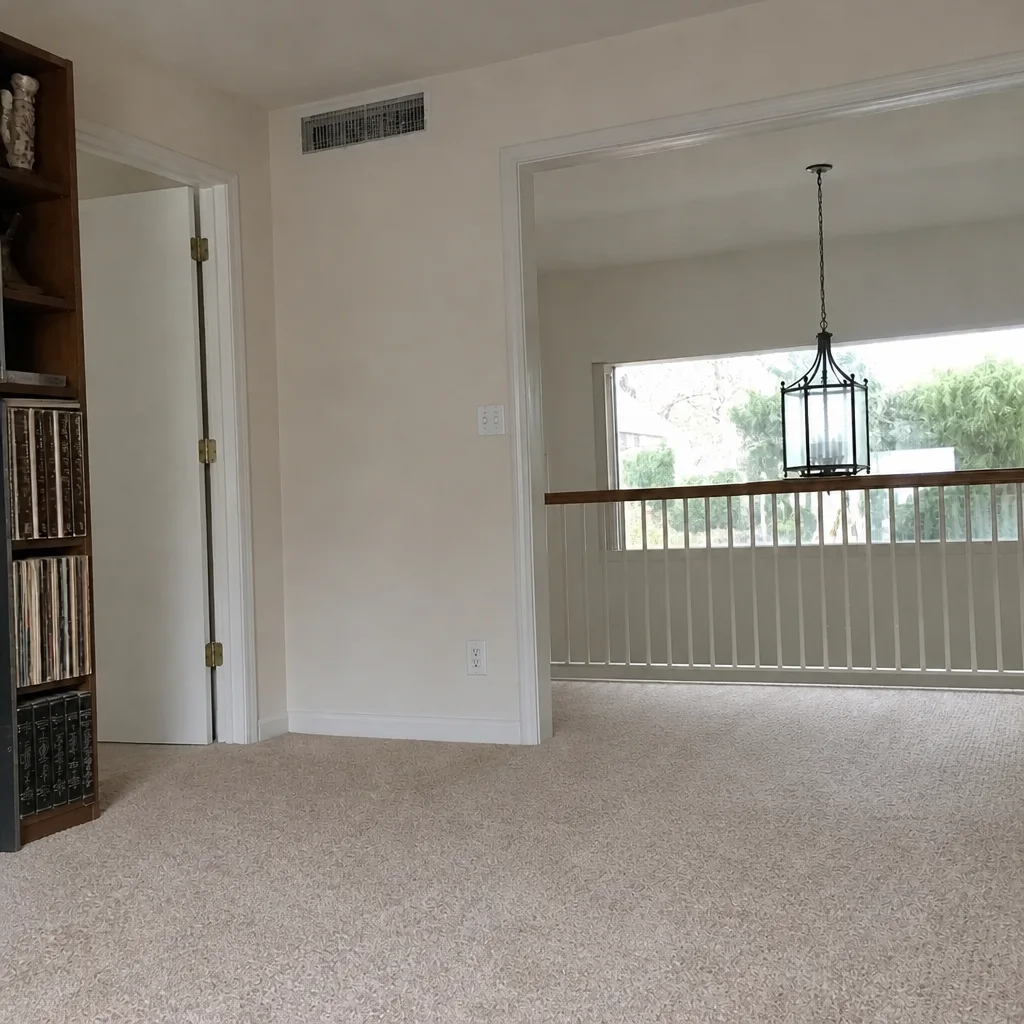
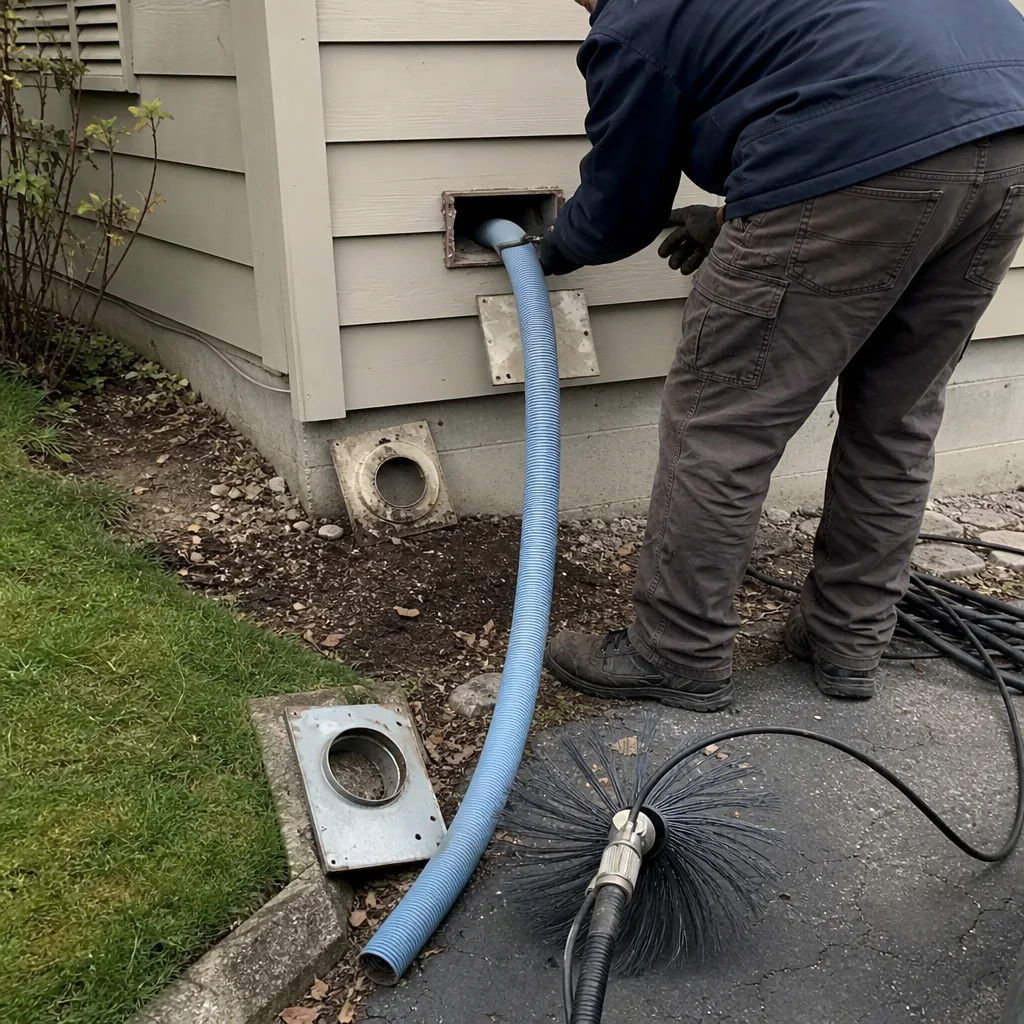
Whole-system duct and dryer vent check with before-and-after photos - you see exactly what came out of your vents
That "$99 whole-house special" is a bait ad - the real number appears once they are in your hallway, or the "clean" is a shop-vac at the register. We photograph the inside of your ducts before and after instead.
Air Duct Cleaning Permits, Codes & Inspections in Kirkland, WA: What You Need to Know
A duct cleaning job that includes mastic sealing or flex duct replacement without a mechanical permit isn’t a shortcut. It’s unpermitted work that can surface during a home inspection and hold up a sale. Most homeowners assume duct cleaning lives entirely in the permit-free zone, and for plain vacuuming and sanitizing it does. But the moment a contractor cuts into a trunk line, reroutes a run, seals joints with mastic, or swaps out flex duct, the work shifts category. In Kirkland, that shift brings Washington State’s mechanical code and the city’s building department into the picture. This guide explains exactly where the line falls, what a mechanical permit covers, what the inspection involves, and why the paperwork matters to your resale and your insurance file.
Quick Answer
Air duct cleaning itself does not require a permit in Kirkland, WA. Cleaning, vacuuming, and sanitizing the inside of existing ductwork is maintenance, not construction, so no mechanical permit is issued for it. Structural duct work does require one: sealing with mastic, replacing or rerouting duct runs, connecting new ductwork, or altering the system’s configuration falls under Washington’s mechanical code (WAC 51-52) and needs a mechanical permit from the City of Kirkland. The dividing line is whether the work changes the duct system or simply cleans it, and a written scope of work should make clear which category your job falls into before anyone starts.
Styles & brands we work with
- Whole-home duct cleaning
- Dryer vent cleaning
- Camera inspection
- Sanitizing & deodorizing
Table of Contents
- Where Does Cleaning End and Mechanical Work Begin?
- What WAC 51-52 Says About Duct Systems
- How Kirkland’s Building Department Handles Mechanical Permits
- What the Inspection Actually Involves
- Why Unpermitted Duct Work Creates Liability for Homeowners
- What to Ask Your Contractor Before Structural Duct Work
- How Permit Documentation Protects You at Resale
- How Kirkland’s Climate and Housing Shape Duct Work
Where Does Cleaning End and Mechanical Work Begin?
Cleaning removes what’s inside the duct. Mechanical work changes the duct itself. That’s the simplest way to hold the distinction, and it’s the one the code cares about. A technician running a rotary brush through an existing trunk line and pulling debris back with a HEPA vacuum is performing maintenance. A technician cutting out a sagging flex run and connecting a new one is performing mechanical work. Same visit. Different rules.
Here’s how the split breaks down in practice.
No Permit Required (Maintenance)
- Cleaning the interior of supply, return, and trunk ducts with rotary brush and negative-pressure equipment
- Sanitizing duct interiors with an approved product
- Removing debris from registers, grilles, and boots without altering them
- Cleaning the air handler cabinet and accessible components as part of system cleaning
- Dryer vent cleaning (a separate but related maintenance task)
Mechanical Permit Required (Alteration)
- Sealing duct joints permanently with mastic or approved sealant
- Replacing flexible or rigid duct sections
- Rerouting a duct run to serve a different room or correct a bad layout
- Adding a new supply or return branch to the system
- Reconnecting a duct that has separated from a register boot or plenum and changing its configuration in the process
- Any change to the system’s air distribution design
Notice that a separated duct is a gray area that trips people up. If a run has simply come loose and a contractor reattaches it back onto the same boot with no change in size or route, that’s often treated as repair and may not trigger a permit. If the reconnection includes replacing the section, adding a fitting, or changing how air reaches the room, it does. The scope of work in writing is what tells you which side of the line you’re on.
Our technicians have up to 11 years of experience reading these situations, and we flag permit-required work before we touch anything structural. When a duct repair and sealing job is going to cross the line, you’ll hear about it before the tools come out.
What WAC 51-52 Says About Duct Systems
WAC 51-52 is Washington State’s adoption of the Uniform Mechanical Code, and it’s the document that governs how duct systems are designed, installed, and altered statewide. Kirkland enforces it locally. You don’t need to read the code cover to cover, but understanding what it addresses tells you why the permit line exists.
The mechanical code covers duct system installation requirements: duct material and construction standards, support spacing, sealing requirements, clearances, and how the system connects to the heating and cooling equipment. It also addresses ventilation, which in this region means understanding how outside air is introduced and how exhaust works alongside the supply and return system. Each of these provisions exists so that the ductwork in your home actually delivers the air the equipment produces, and does so without introducing contaminants, moisture, or combustion byproducts into your living space.
Where this matters for a Kirkland homeowner:
- Alterations must comply with current code. A duct rerouted in 2026 must meet the code in force when the permit is pulled, not the standard the house was built under. That’s why a simple replacement can turn into a more involved scope than expected if the original installation doesn’t meet current sealing or support requirements.
- Sealing standards are not optional. Duct sealing requirements exist to prevent energy loss and to protect indoor air quality. A permit inspection is where that gets verified.
- Ventilation interacts with the duct system. If your home’s exhaust and supply systems are being changed, the inspector will look at the interaction, not just the duct in isolation.
Two duct systems exist in most houses: the air distribution system (supply and return ducts connected to the furnace or air handler) and the dryer exhaust system. The dryer vent is its own concern entirely, tied to fire safety rather than air distribution. A contractor who treats dryer vent cleaning as an afterthought usually doesn’t know the difference. We treat dryer vents as a fire-safety service, because that’s what they are.
How Kirkland’s Building Department Handles Mechanical Permits
The City of Kirkland issues mechanical permits for duct work that alters the system, and the process follows a predictable path. Knowing it in advance keeps the job on schedule and keeps the paperwork in your file where it belongs.
Here’s the general sequence.
- Application. The contractor (or the homeowner, if doing the work themselves) submits a mechanical permit application with the scope of work described: what’s being replaced, added, or rerouted, and where in the house.
- Plan review where required. Simple replacements often move through without full plan review. A significant alteration, such as changing the distribution layout or adding conditioned space, may require drawings showing the proposed duct system.
- Permit issuance. The permit comes with an inspection requirement and a fee based on the declared scope.
- Work performed. The contractor performs the alteration according to the permitted scope.
- Inspection. A city inspector visits to verify the installed work matches the approved scope and meets code.
Ask any contractor the same set of questions before structural duct work begins: Will this job require a mechanical permit? Who pulls it, you or me? Who pays the fee? And will the inspection happen before the job is closed out? A contractor who can’t answer all four clearly isn’t ready for structural work.
The permit itself is not a quality guarantee, but it does something important: it forces a written scope of work, a city record of what was done, and an independent inspection. That’s a level of accountability that a verbal “we sealed up some leaks” doesn’t provide.
What the Inspection Actually Involves
The inspection verifies that the installed duct system matches the permit scope and meets the mechanical code. The inspector is checking compliance, not judging air quality or duct cleanliness. Understanding the difference keeps expectations realistic.
A typical inspection for a duct alteration checks:
- Duct material matches what was specified (rigid versus flex, gauge, insulation where applicable)
- Sealing at joints and connections is complete, using approved materials
- Support and spacing meet code for the duct type
- Clearances to combustibles are maintained, which matters most near the furnace or water heater area
- Connections to the air handler or plenum are secure
- The installation matches the scope on the permit; unpermitted additions found during inspection create a problem
An inspection doesn’t test airflow, measure duct leakage numbers, or assess cleanliness. If a contractor tells you the inspection will “verify your ducts are clean,” they’re confusing the inspection process with cleaning. Cleaning is a separate service. When we handle HVAC cleaning in Kirkland, the inspection conversation is separate from the cleaning conversation. One is code compliance, the other is maintenance.
Something else inspectors won’t confirm: whether sealing work was actually done where they can’t see it. That’s why before-and-after photos of the ductwork matter. Visual documentation of what was found and what was corrected is how a homeowner verifies work the inspector might not photograph.
Why Unpermitted Duct Work Creates Liability for Homeowners
Unpermitted structural duct work creates exposure for the homeowner, not just the contractor who should have pulled the permit. The permit obligation attaches to the property. The city doesn’t care who cut into the duct; it cares that the work was done without a record. When that surfaces, the homeowners own the problem.
The clearest exposure shows up at resale. A buyer’s home inspector examines HVAC and ductwork, and a sealed duct joint, a spliced flex run, or an added register that doesn’t appear to be original work prompts questions. In Kirkland, where a significant share of homes sell through buyer inspections, unpermitted mechanical work can become a negotiation point, a request for retroactive permitting, or in the worst case, a reason a buyer walks. Retroactive permits are possible, but they cost more, take longer, and require the work to be inspected after the fact, which can mean opening up walls if the install isn’t accessible.
Insurance is the second exposure. If a duct-related problem becomes a claim, an adjuster reviewing the loss will ask who did the work and when. A permitted job with an inspection record sits cleanly in the file. Unpermitted structural work creates questions about whether the loss is covered at all.
What you can do to stay ahead of it:
- Keep the written scope of work for every duct service, even a cleaning visit
- Keep any permit and inspection record with the HVAC documentation you’d hand to a buyer
- Keep before-and-after photos, especially for repair and sealing work
- Ask contractors whether the scope crosses into permit territory before signing
We work with your insurer when a claim is connected to a duct service, and we make sure the paperwork reflects what was actually done. It’s not a sales pitch. It’s the difference between a clear file and a messy one.
What to Ask Your Contractor Before Structural Duct Work
Ask these questions before signing anything that involves sealing, replacing, or rerouting ducts. A contractor who handles this kind of work regularly will answer without hesitation. One who deflects is telling you something useful.
- Does my job require a mechanical permit? The answer should match the scope. Cleaning is a no. Sealing, replacing, or rerouting a run is a yes.
- Who pulls the permit, and who pays the fee? Either arrangement can work; an unclear answer is the red flag.
- What inspection will the city perform, and when? You should know the timing before work starts.
- What does the scope of work say will be done? The written scope should describe exactly which ducts are being modified and how.
- Will you document the work with photos? Before-and-after photos of the modified areas protect you and the contractor.
- What equipment are you using to clean the system, and how is it contained? This isn’t random. The reason is that structural work dislodges debris, and it needs to be captured, not redistributed. We use Abatement Technologies air-filtration equipment to capture dislodged contaminants at the source, plus Rotobrush rotary brush systems and Nikro HEPA vacuums for the cleaning itself.
- What if the inspector finds something outside the approved scope? A contractor should have an answer for the possibility, because it does happen.
Ask about the tech a contractor is using, too. Pro equipment is a proxy for whether a contractor can handle the job’s actual complexity. Professional-grade equipment, not consumer shortcuts, is what separates a full-system service from a superficial pass. That distinction matters whether you’re booking air duct cleaning or repair and sealing work.
How Permit Documentation Protects You at Resale
A permit and inspection record is one of the few pieces of duct work documentation a buyer actually sees. The permit record proves a licensed professional performed the work, the work was inspected, and it complied with code at the time. That’s valuable.
When a buyer’s home inspector flags duct work, here’s what the parties involved want to know.
- Was the work permitted? The permit history is searchable with the city. If it’s there, the question closes fast. If it’s missing, it opens a slower conversation.
- Was it inspected? The inspection record proves the completed work was reviewed by an independent party.
- What was the scope? The permit application describes what was done. That description is your protection if a buyer’s inspector interprets sealing work broadly.
- When was the HVAC system last serviced? Buyers and their agents want a service history. A well-documented duct service record, with before-and-after photos, is a cleaner answer than a verbal recollection.
- What insurance exposure follows the property? Permitted work doesn’t ask a future owner’s insurer for an explanation. It’s simply in the file.
Our approach on any duct repair and sealing job is to hand over the photos, the scope of work, and the permit record where one applies. We can’t promise a buyer won’t ask questions, but we can make sure you have the right answers. If you’re prepping a home for sale and the HVAC area is a question mark, a Kirkland Air Duct Cleaning assessment can surface what’s original and what’s been altered. Documenting the state of the system before a listing goes live is easier than explaining it afterward.
How Kirkland’s Climate and Housing Shape Duct Work
Kirkland’s wet, cool climate and the age spread of its housing stock push duct work in specific directions. Knowing the local pattern helps you understand why a contractor is recommending one scope over another.
Kirkland gets a lot of rain and mild temperatures most of the year, but winters are damp and cold rather than freezing, and the shoulder seasons run long. That pattern means the heating system runs in stretches, not continuously, which affects condensation inside ducts and around cold surfaces. Duct runs in unheated attics and crawl spaces see moisture cycling that inland, drier climates don’t produce. When duct sealing fails, air leaks carry that moisture into the conditioned space. That’s one reason sealing matters here beyond energy efficiency.
Housing stock varies block to block. Older homes in the area often have original sheet metal trunk lines with branch runs that have been patched or extended over time. Recent construction and remodels tend to use flex duct in tighter runs with more bends. Each presents a different failure pattern. Rigid duct systems fail at joints and connections. Flex systems fail at kinks, crushed sections, and where they abhor the tight bends that Kirkland’s smaller floor plans tend to create. When we inspect, we look for the failure pattern that matches the housing type before we recommend a scope.
Also local: Kirkland’s tree canopy. Trees here drop debris continuously through fall and winter. Leaf litter and small material can enter through a poorly secured exterior vent cover, especially on homes where the dryer vent or intake hood has been damaged by wind. If your last service record is old, a duct inspection can tell you whether the system has taken on material from outside.
Local climate is a factor, and it’s part of how we read a job. A duct cleaning that ignores the housing type and climate pattern is just a vacuum pass.
Common Mistakes to Avoid
- Assuming all duct work is permit-free. Cleaning isn’t. Sealing, replacing, and rerouting is. Homeowners who assume otherwise sign off on structural work that leaves no record.
- Letting a contractor do structural work without a written scope. If a technician says they’ll “seal up the leaks,” the scope is verbal, and the permit question stays open. Insist on a description of what’s being changed and where.
- Paying a permit fee to a contractor who then doesn’t pull one. Ask for the permit number and verify it with the city before work starts. It takes minutes.
- Booking a cleaning that ends with “we found some issues” and a bigger scope. A cleaning visit shouldn’t morph into a structural repair with a larger invoice unless you’ve seen photos of the problem and understood the permit implications. We do this in reverse: diagnose first, propose the scope in writing, with a flat price per system.
- Discarding the service documentation. The written scope, the permit record, the inspection, the photos. Keep them all with the HVAC file. The resale conversation is much shorter when the paperwork is there.
- Treating the dryer vent as part of the general cleaning ticket. It’s a fire-safety system, separate from the air distribution ducts, and it deserves its own service. Don’t let it get bundled away.
- Skipping visual documentation. If the contractor won’t show you before-and-after photos of the ducts they cleaned or repaired, you have no way to confirm the work matches the scope you were quoted.
See the difference
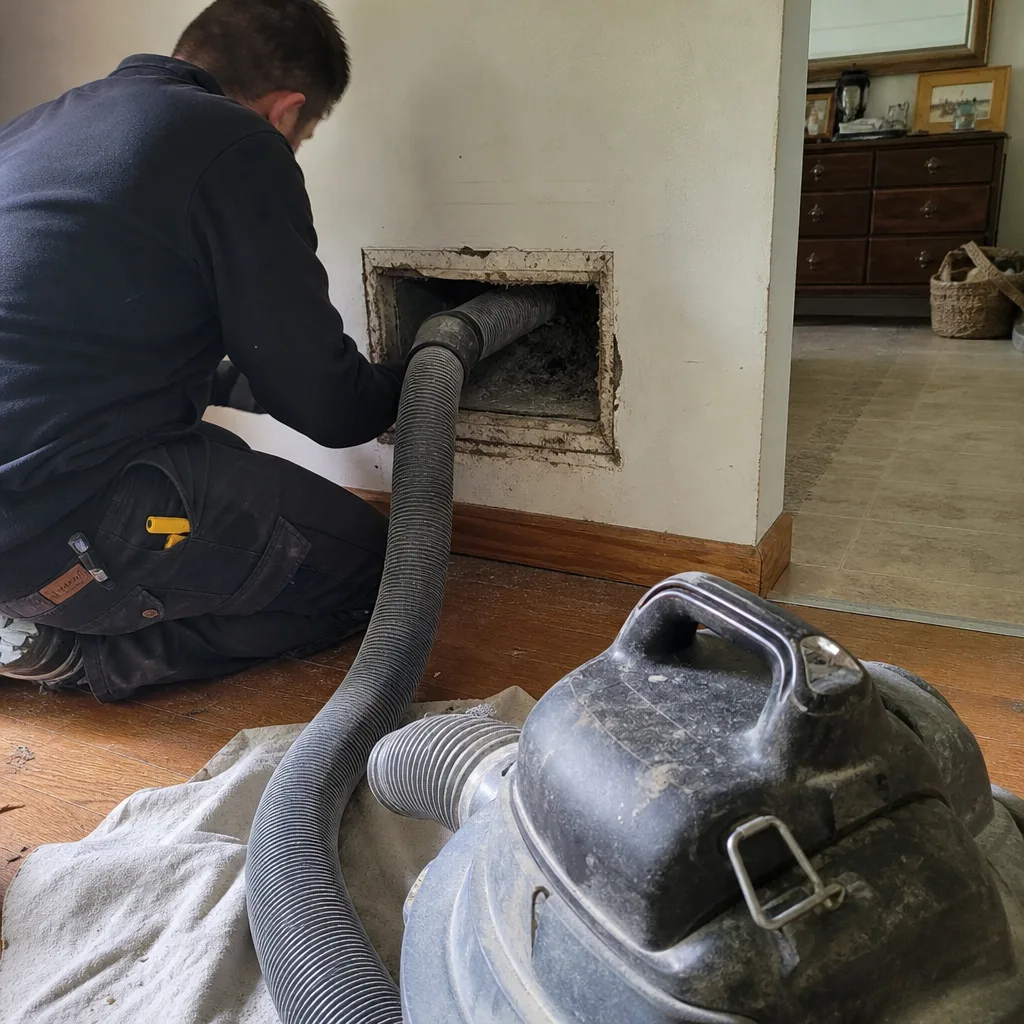 Before
 After
 Before
 After
 Before
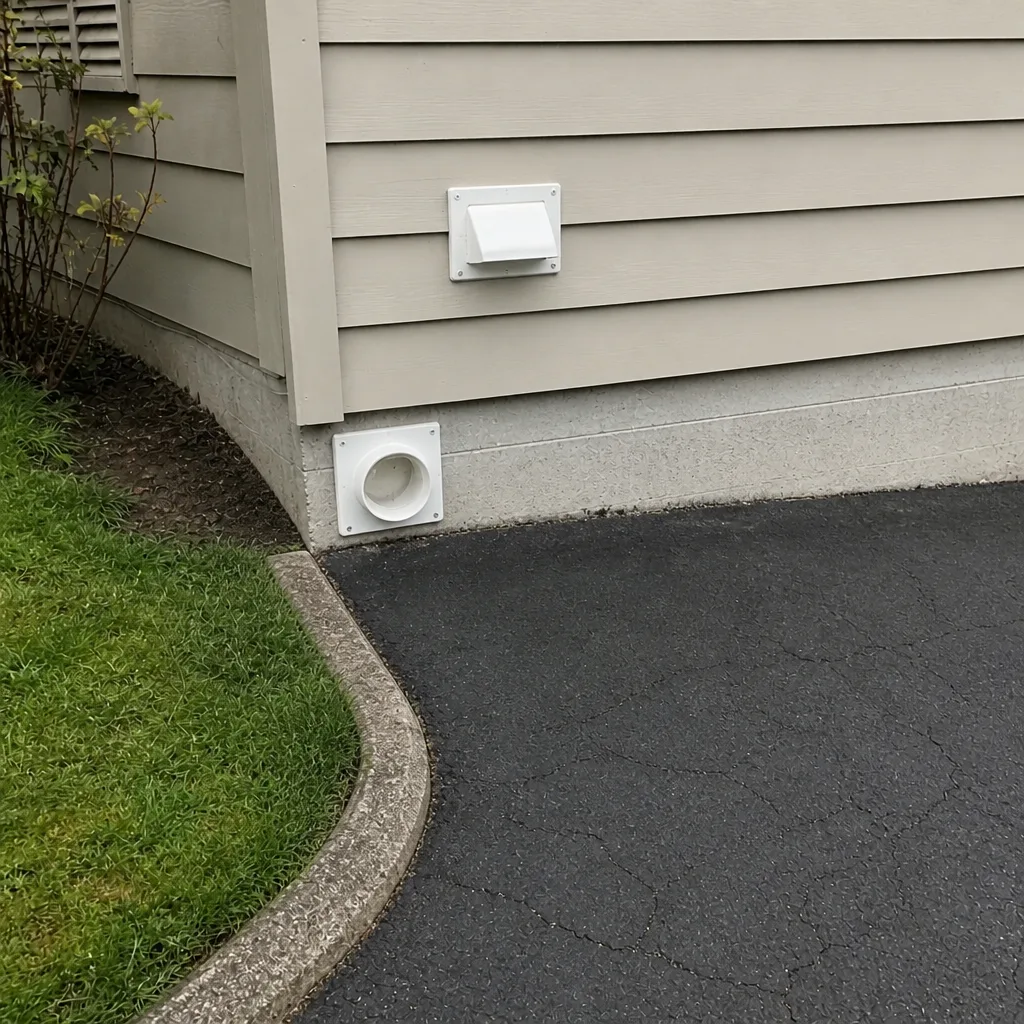 After
When to Call a Professional
Call a professional the moment the scope of duct work might involve structural changes, and call sooner if you see the signs. Suspect a permit is required if a contractor proposes sealing joints with mastic, replacing flex or rigid duct sections, rerouting a run, adding a register, or reconnecting a duct that has separated from the boot or plenum. If those words appear in the conversation, the permit question is live. Call us if you notice air blowing from attic or crawl space areas, if a room won’t heat or cool the way it used to, if registers show rust or dark streaks, or if the dryer takes longer than it should. Keep our contact info handy for the general cleaning and maintenance side too. Kirkland Air Duct Cleaning offers free estimates in Kirkland. Call (855) 812-5163. We answer 24/7. Fast dispatch from 7am to 7pm, Sunday through Friday. The estimate is free and the price is set per job by the written estimate.
Frequently Asked Questions
No. Air duct cleaning in Kirkland requires no permit. Cleaning, sanitizing, and vacuuming the interior of existing ductwork is maintenance. A mechanical permit is only required when the work alters the duct system itself, which means sealing with mastic, replacing or rerouting runs, adding branches, or otherwise changing the system’s configuration. Call (855) 812-5163 for a free estimate and we’ll confirm the permit status of your specific scope before work begins.
Yes, in most cases. Sealing duct joints permanently with mastic or an approved sealant is an alteration to the system, so it falls under Washington’s mechanical code and requires a mechanical permit from the City of Kirkland. A simple reconnection of a duct that’s come loose, with no change to size or routing, is sometimes treated as repair, which is why the written scope of work is the document that determines the permit requirement. Call (855) 812-5163 and we’ll tell you which side of the line your job falls on.
The inspection verifies the installed work matches the permitted scope and meets code: duct material, sealing at joints, support and spacing, clearances to combustibles, and secure connections at the air handler. The inspector is checking compliance, not duct cleanliness or airflow performance. Inspections typically happen after the work is complete, and the record stays with the permit. Call (855) 812-5163 for a free estimate if you’re planning a duct alteration.
A buyer’s home inspector who spots duct alterations that don’t match the original construction may ask for documentation. Without a permit record, the answer is usually a retroactive permit, which costs more and may require opening walls to expose the work for inspection. Some buyers use the issue as a negotiation point. The best protection is documentation at the time of service, not after. Call (855) 812-5163 if you’re prepping a home and want the duct system assessed before listing.
Insurers care about documentation when a claim is connected to the work. An adjuster reviewing a duct-related loss will ask who performed the work and when. A permitted job with an inspection record is a clean file. Unpermitted structural work creates questions about whether the loss is covered. We can work with your insurer on a claim and make sure the documentation reflects what was done. Call (855) 812-5163 for a free estimate.
Not always, but the scope has to be justified in writing. If a contractor proposes structural duct work, ask for photos of what they found and a written scope describing which runs are being sealed or replaced. If the scope is vague, or the recommendation appears after the cleaning has already started, that’s the moment to pause and ask. Our approach is to quote one flat price per system before work starts, not per vent, with before-and-after photos of the ducts as they are and as they come out. Call (855) 812-5163 for a free estimate.
The Bottom Line
Cleaning your ducts in Kirkland doesn’t require a permit. Sealing, replacing, or rerouting them does, and the distinction matters well beyond the day the work is done. A mechanical permit produces a written scope, an independent inspection, and a record that follows the house. Unpermitted structural work leaves you explaining the gap at resale, in an insurance file, or both. The simplest defensive move is also the only one that requires no technical knowledge: before anyone touches the duct system structurally, ask whether the job needs a permit, who pulls it, and what the inspection will cover. Get the answers in writing. That one habit protects a sale, a claim, and your own peace of mind, and it costs nothing to ask.
We’re a Kirkland air duct company that handles the full system: cleaning, dryer vent cleaning, HVAC cleaning, duct repair and sealing, and sanitizing. We repair what we find, and we document it. Whether you need a routine cleaning or a full diagnostic before a permit-required repair, we’re a call away.
Kirkland Air Duct Cleaning: (855) 812-5163. We answer 24/7. Fast dispatch from 7am to 7pm, Sunday through Friday. Closed Saturday. The estimate is free and the price is set per job by the written estimate.
Written by the team at Kirkland Air Duct Cleaning.