
Last updated November 25, 2026
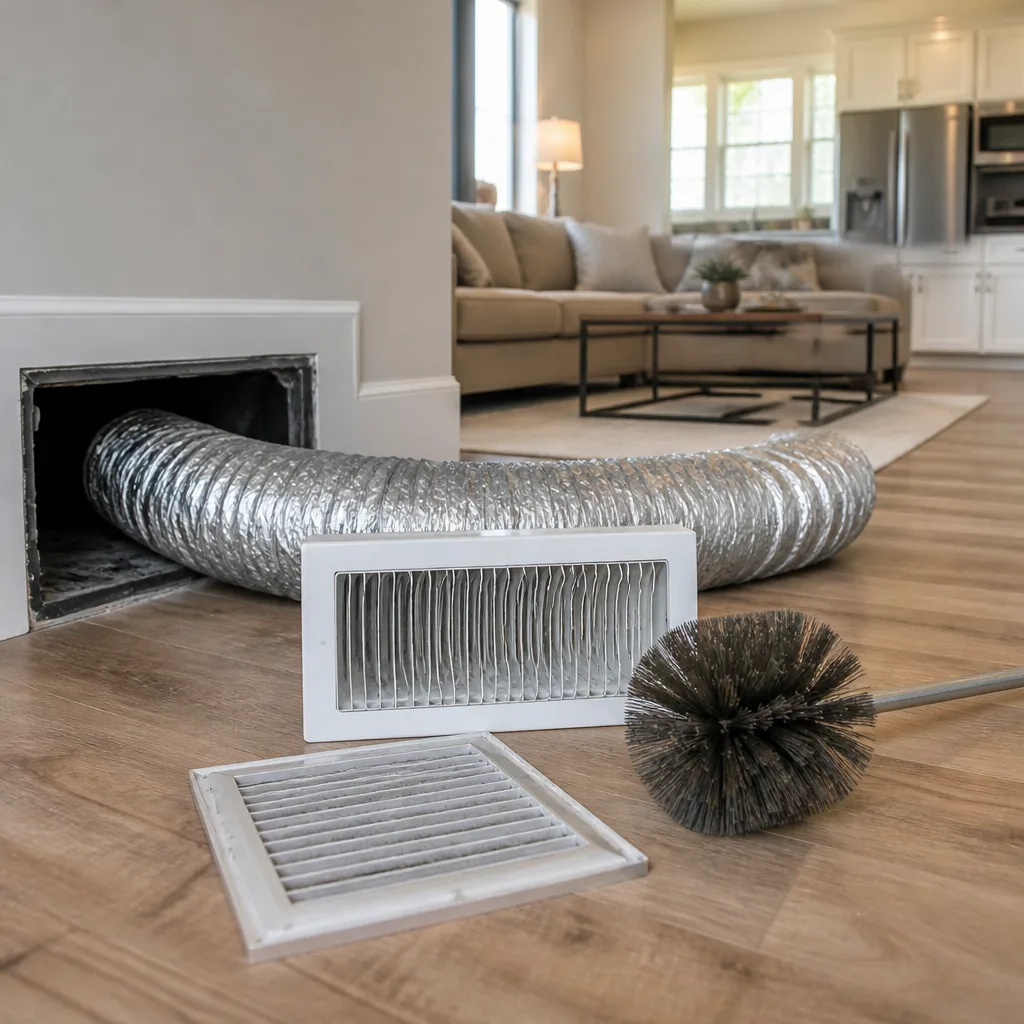 Whole-home duct cleaning
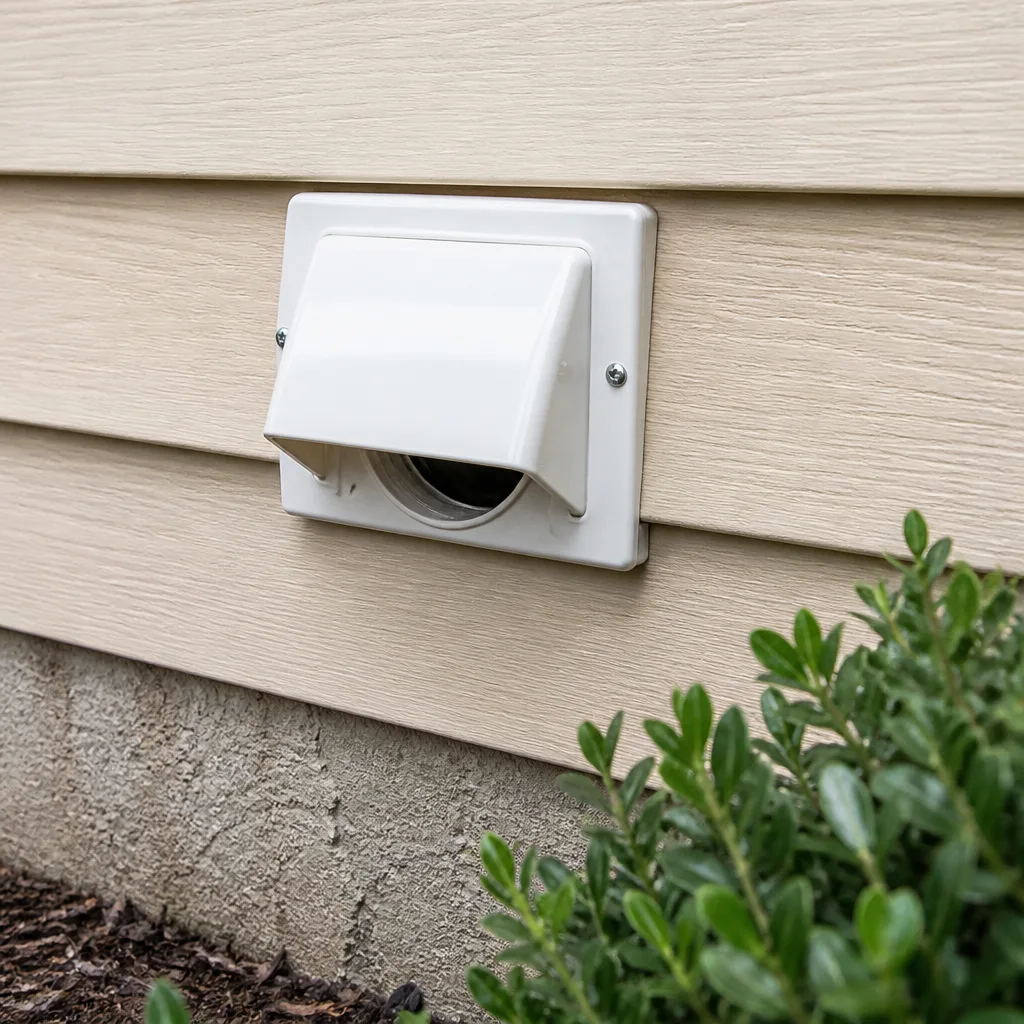 Dryer vent cleaning
 Camera inspection
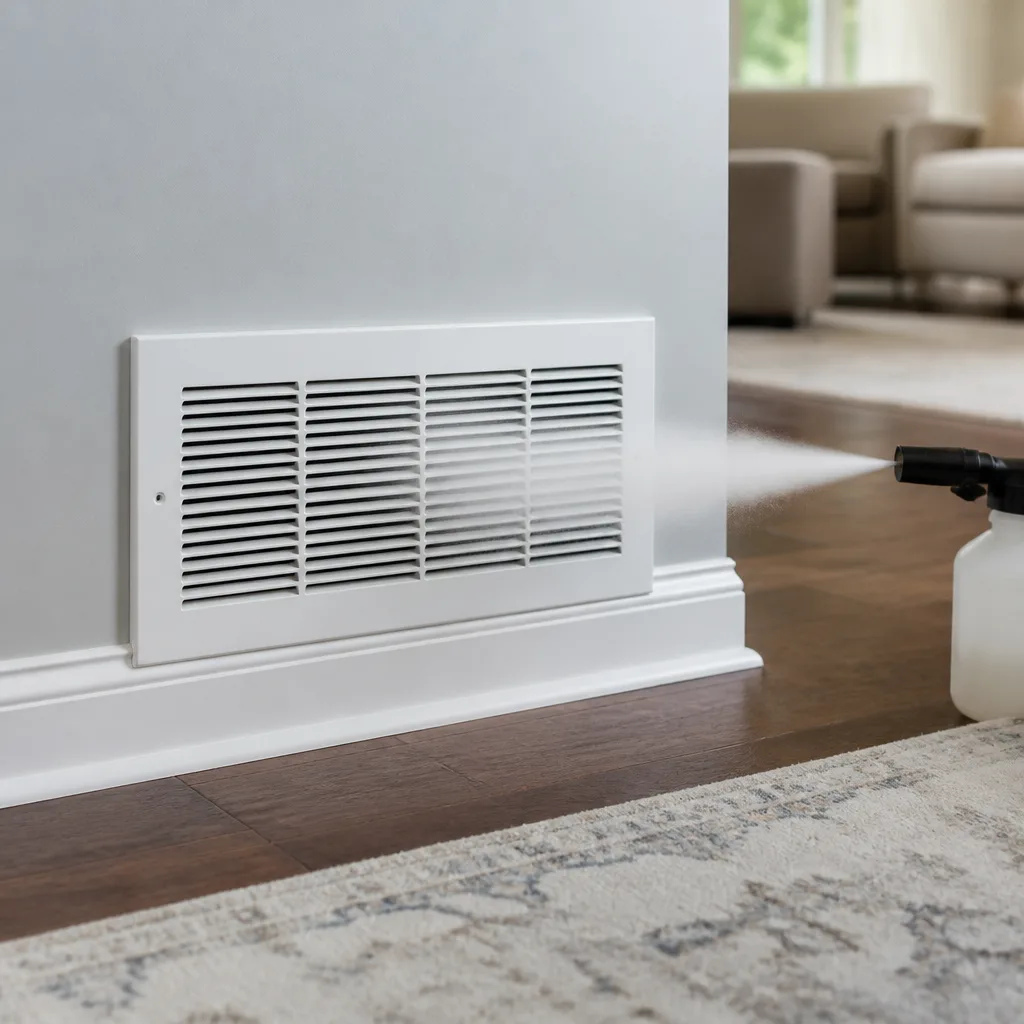 Sanitizing & deodorizing
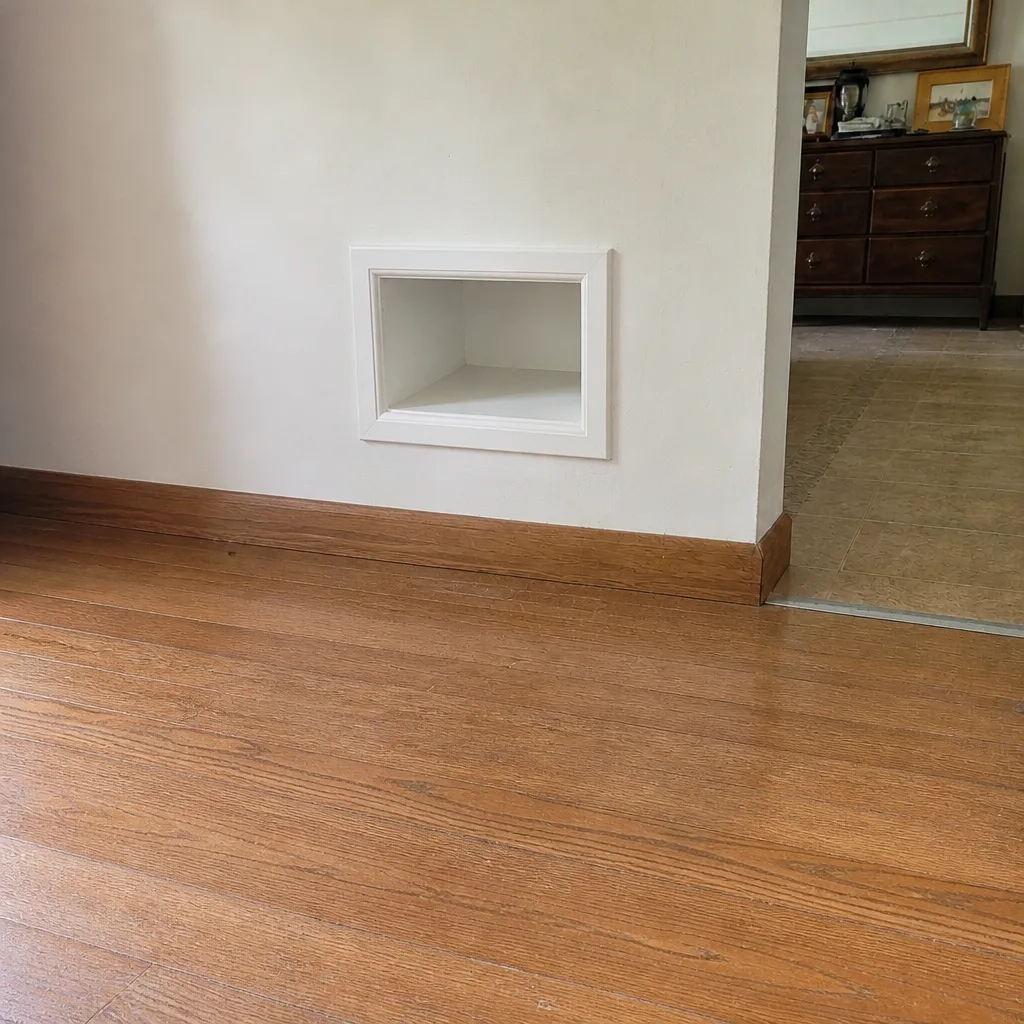
Whole-system duct and dryer vent check with before-and-after photos - you see exactly what came out of your vents
That "$99 whole-house special" is a bait ad - the real number appears once they are in your hallway, or the "clean" is a shop-vac at the register. We photograph the inside of your ducts before and after instead.
Seasonal Air Duct Cleaning Care for Kirkland: Year-Round Homeowner’s Guide
Most homeowners book duct cleaning in January because the calendar says “new year, new start.” That habit misses the point. In Kirkland, the two worst stretches for indoor air typically arrive in August, when wildfire smoke pushes the region’s air quality into unhealthy ranges, and again in October, when the first heavy rains arrive and windows stay shut for months. By January, the debris those events pushed into your ducts has already been circulating through your living room for months. Timing matters more than tradition. This guide breaks down Kirkland’s air quality stressors month by month, explains how each one stresses a forced-air system differently, and shows you how to build a two-visit schedule around actual system stress instead of a marketing calendar.
Quick Answer
Air duct cleaning in Kirkland is best scheduled twice a year, not once: a late-summer or early-fall cleaning to clear wildfire smoke residue and summer pollen, then a late-winter or early-spring cleaning to remove the microbial load that builds up during the wet, low-ventilation months. Homes near the water, homes with pets, and homes with allergy sufferers in the household may need a third targeted pass after a heavy smoke event. A single annual cleaning set to a January habit ignores the two seasons when Kirkland’s indoor air actually gets worse.
Styles & brands we work with
- Whole-home duct cleaning
- Dryer vent cleaning
- Camera inspection
- Sanitizing & deodorizing
Table of Contents
- Why Kirkland’s Climate Stresses Ducts Unevenly
- Month-by-Month: Kirkland’s Air Quality Stressors
- Why Late Summer Is the Highest-Priority Cleaning Window
- Winter Protocols: Moisture and Low Ventilation
- Spring Transition: Pollen, Return Gaps, and Filter Upgrades
- Building a Two-Service-Per-Year Schedule
- Signs Your Ducts Are Overdue
- Common Mistakes to Avoid
- When to Call a Professional
- Frequently Asked Questions
- The Bottom Line
Why Kirkland’s Climate Stresses Ducts Unevenly
Kirkland sits on the eastern shore of Lake Washington, and that geography sets up a specific annual cycle. The region gets most of its rain between October and April, with long stretches of gray, damp weather. Those months mean windows stay closed, fresh-air exchange drops, and the inside of a home becomes a sealed environment where whatever’s in the ducts recirculates through the same rooms hour after hour. Summer flips the pattern: dry, warm air, open windows, and pollen blowing in through doors, windows, and any unsealed return-air gap. Late summer adds a third stressor unique to the Pacific Northwest, and to Kirkland specifically: wildfire smoke from fires east of the Cascades, which can push the region’s air quality index into ranges that make indoor air the safer option.
Each of those stressors leaves a different footprint inside a duct system. Wildfire smoke deposits fine, sticky particulate on duct walls and on the evaporator coil, which then gets pulled back into living space every time the blower runs. Winter moisture doesn’t deposit debris so much as it feeds microbial growth on duct liner, fiberglass interior surfaces, and the coil pan, especially where condensation collects. Spring pollen is larger and easier to capture, but only if your filter and return-air path are actually sealed. The point is that one annual cleaning hits one of these stressors well and the other two poorly. A seasonal protocol hits all three, in the order the year delivers them.
We also see seasonal variation in how much debris a system can hold before performance drops. A Kirkland home with a heat pump running through a damp winter can accumulate enough liner moisture and biological growth in a single season to change the smell of the air before the ducts look dirty. Meanwhile, a home near a greenbelt or one of the wooded neighborhoods on the eastern side of town can load up on pollen and fine organic debris in weeks during the spring. Same town, different system stress, different timing.
None of that means every Kirkland home needs work every season. It means the schedule should follow the stress, not the calendar. Once you know what each season throws at a forced-air system, the right timing becomes obvious.
Month-by-Month: Kirkland’s Air Quality Stressors
Here’s the year as we see it through a duct system’s eyes. The threats aren’t evenly spaced, and they don’t peak when the “new year” cleaning reminders land in your inbox.
January through March
The wettest, coldest, most closed-in stretch of the Kirkland year. Windows stay shut for days at a time. Indoor humidity rises as showers, cooking, and laundry add moisture to a sealed house. Duct liner and coil surfaces stay damp. This is when microbial growth builds quietly. Nothing smells wrong yet because the system hasn’t been stressed by heat. It’s a feeding season, not a reporting season.
April and May
Pollen season. Alder, birch, and the region’s grass pollens deliver load into return-air vents, window gaps, and any leaky duct joint. Homes with a filter that’s undersized for the system or a return that’s pulling air from an attic or crawlspace take on the most debris. This is the season when a filter upgrade actually earns its keep, more than in any other window.
June and July
Relatively benign. Windows are open, fresh air is flowing, and the system is running mostly for cooling. If the ducts are clean going into this season, they stay clean.
August
The inflection point. Wildfire smoke reaches the Puget Sound region, sometimes for days or weeks, sometimes in a single heavy event. Windows close. HVAC systems run continuously to keep indoor air filtered. Fine smoke particulate loads the return air path and coats duct walls, and while a good filter catches most of it, the remainder sticks and stays. This is the season that resets the clock on duct cleanliness in most Kirkland homes.
September
The post-smoke calm. Smoke events have largely passed by late September. Surface debris has settled. If you’re going to clean once a year, this is the window that clears the smoke residue before the wet season locks it in place.
October through December
The rainy season begins. Windows close for good. Humidity inside homes rises. Whatever smoke residue and pollen landed in the ducts over the summer now sits in a damp environment while the heat runs. Microbial growth has both a substrate (the summer debris) and moisture. This is the second important cleaning window, and it’s the one most homeowners skip.
You can trace the whole year on a single line: pollen in, smoke in, moisture settles, growth follows. Cleaning on both sides of that sequence – after smoke season and again after the wet months – keeps the system from carrying old debris into new seasons.
Why Late Summer Is the Highest-Priority Cleaning Window
If you clean your ducts only once this year, clean them in late August or September. Here’s why that window matters more than any other for Kirkland homes with forced-air systems.
- Wildfire residue is adhesive. Smoke particulate is fine enough to pass through standard filters in quantity and tacky enough to stick to duct walls, plenum surfaces, and the evaporator coil. It doesn’t blow through cleanly. Once it coats the coil, every cooling cycle pulls a small amount of smoke odor back into the home.
- The heating season locks it in. A forced-air furnace running through the winter drives warm air across those residue-coated surfaces and into every room. Cleaning before the heat comes on means the home starts the cold months with a clean system instead of a smoke-scented one.
- Your HVAC has already worked harder. During smoke events, systems run longer and filters load faster. A post-smoke cleaning combined with a fresh filter takes load off the equipment going into winter.
- Pollen from the spring is still in there. If the last cleaning was in winter, your ducts are carrying both the spring pollen load and the smoke load into the fall. Combined, it’s more material than any single annual cleaning would pick up.
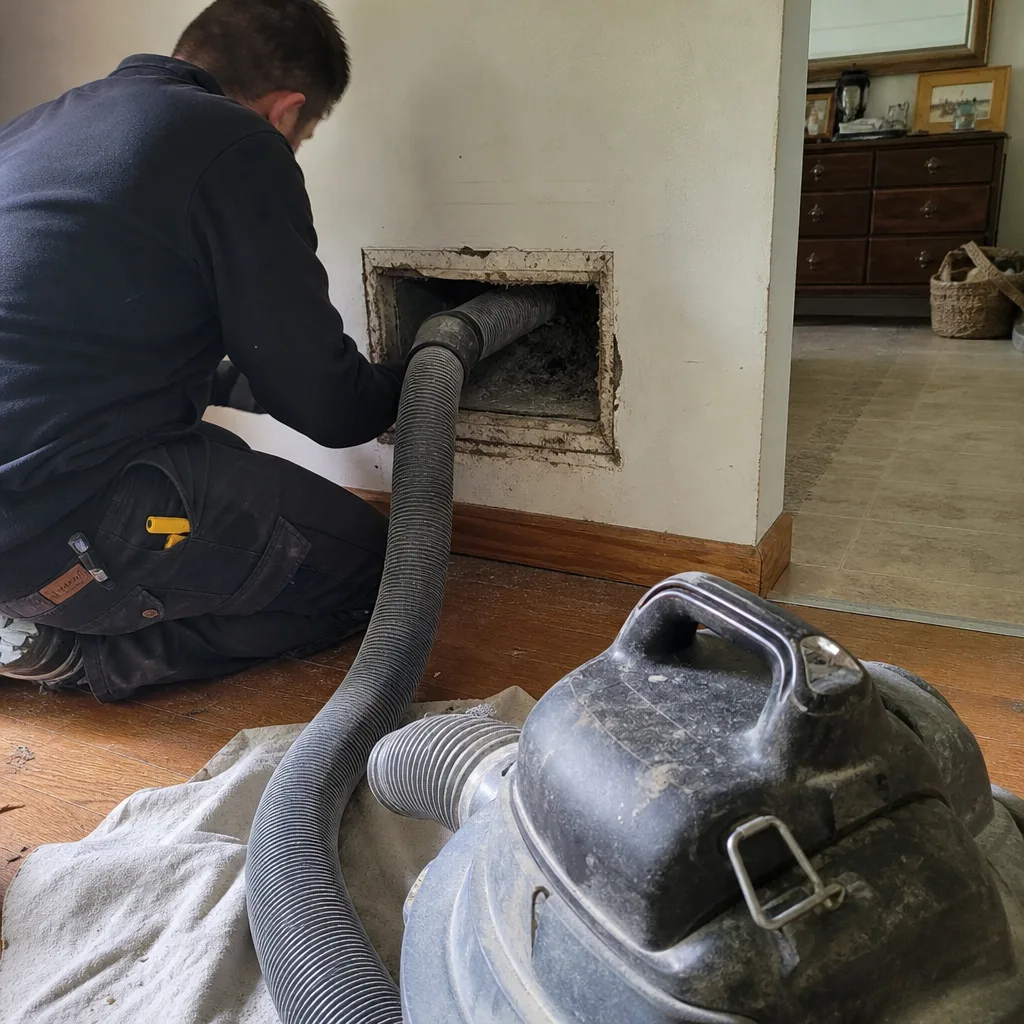
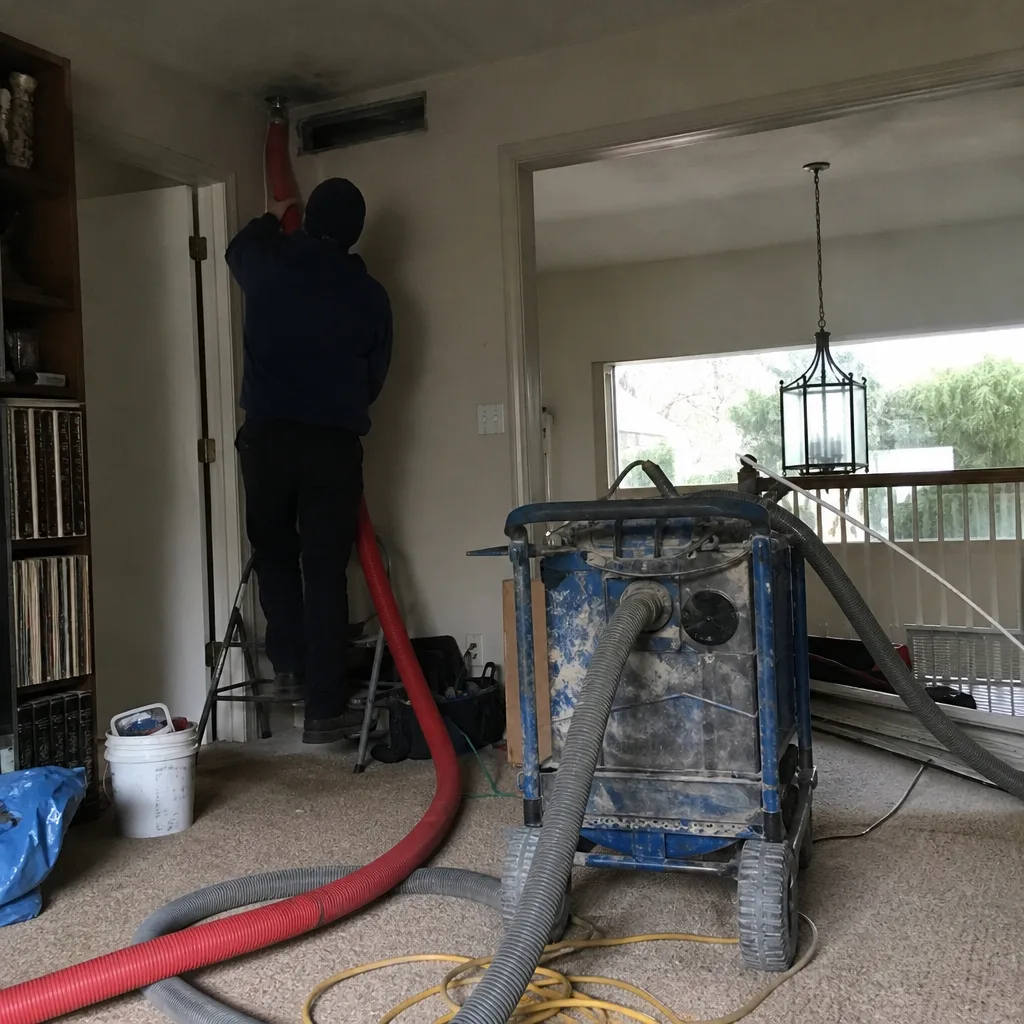
Our air duct cleaning service handles this window with rotary agitation and HEPA extraction: a Rotobrush rotary brush system knocks debris off duct walls, and a Nikro HEPA vacuum captures it at the source so it doesn’t drift back into living space. The Abatement Technologies air-filtration equipment we run during service captures dislodged contaminants in the working area. That combination matters more after a smoke season than at any other time of year, because the fine particulate has to be removed, not just stirred up.
One caveat: after a heavy smoke event, an August cleaning is often more important than a September one. Tune the exact date to the smoke events your region actually saw that year, not to the calendar. A house in Kirkland’s Finn Hill or Market neighborhoods pulls air from slightly different surroundings than a home near the lakefront, but the general post-smoke timing applies across town.
Winter Protocols: Moisture and Low Ventilation
Kirkland’s wet season does something to a duct system that smoke season doesn’t: it feeds it. Between November and March, windows stay closed for weeks, indoor humidity from normal living climbs, and duct liners, coil pans, and air-handling cabinets stay in the 40s and 50s (in temperature) with a relative humidity that microbial growth finds agreeable. The result is a slow build of biological growth that shows up first as a musty smell when the heat first comes on in the fall and lasts all winter.
What winter care actually looks like in our experience:
- Run ventilation on purpose. A bath fan after showers, a range hood when cooking, and a kitchen exhaust that actually vents outside all matter more in winter than any other season. Sealed homes build humidity fast.
- Change filters more often than the box suggests. Winter filter loading is slower than smoke-season loading, but the moisture content makes dust adhere. Inspect monthly, replace as needed.
- Watch for cold spots and condensation. If a duct runs through an unconditioned attic or crawlspace and isn’t insulated, it sweats in cold weather. That moisture becomes liner growth by spring. Duct repair and sealing fix the underlying issue; a cleaning alone doesn’t.
- Clean in February or March. A late-winter cleaning clears the biological load before spring pollen adds a second layer. Homes with a pet, a household allergy sufferer, or a history of musty odor benefit most from this second visit.
If a winter inspection turns up microbial growth, sanitizing is the right next step. We use a professional-grade sanitizer applied after cleaning, not before – a sanitizer sprayed onto dirty duct walls does little. Cleaning first, then treating the surfaces the growth is on, is the protocol our technicians follow.
One more winter thing: if the ducts have an air-quality product already installed, a Honeywell or Aprilaire filter or a UV component, that equipment needs inspection too. Filters clog, UV lamps age out. A winter visit is a natural time to check and replace. Our technicians have up to 11 years of experience working with these products and can recommend what’s actually due.
Spring Transition: Pollen, Return Gaps, and Filter Upgrades
Spring in Kirkland brings a pollen load that most homeowners underestimate until they see the yellow dust on their car in the morning. Alder and birch release early, grass pollens follow in May and June. The pollen that matters isn’t the pollen on your windshield; it’s the pollen pulled into your return-air system through every unsealed gap.
Where those gaps hide:
- Return-air plenum joints where the sheet metal meets the air handler
- Filter slot edges, especially on a poorly fit filter frame
- Unsealed penetrations where duct runs pass through walls or floors
- Crawlspace or attic return ducts that have pulled apart at a joint
- Loose flex duct connections, which are common in older Kirkland retrofits
Sealing those gaps does more for spring air quality than any filter upgrade on its own. A high-MERV filter can only capture what actually reaches it. Our duct repair and sealing service addresses the return-air path before we recommend any filtration upgrade, because adding a better filter to a leaky return just gives the filter less pollen to catch.
Which filter upgrades actually help
The honest answer is that upgrading past a certain point may cost your system more than it saves. A filter rated higher than your blower can handle restricts airflow, which costs efficiency and can shorten equipment life. For most Kirkland homes, a step up to a mid-MERV pleated filter, correctly sized and properly seated in a sealed frame, is the right move. Homes with allergy concerns, pets, or a history of smoke events might step further, and that’s where a whole-home filtration product from Honeywell or Aprilaire earns its place. A media cabinet installed at the air handler, for example, handles a higher-MERV filter without straining the blower, and it seals the filter slot against return-air bypass. That’s a better long-term answer than a thicker disposable filter.
Spring is also the season we recommend a mid-year inspection – not necessarily a cleaning, but a look. If the ducts were cleaned in the fall, they can usually ride through spring into summer without a second full cleaning. If the last cleaning was a year or more ago, spring is a reasonable time to catch up before smoke season arrives.
Building a Two-Service-Per-Year Schedule
Two service visits per year, timed to Kirkland’s actual stressors, cover a forced-air system better than any “annual cleaning” reminder you’ll get in the mail. Here’s the schedule we walk homeowners through.
- Late August or early September – post-smoke cleaning. Clear wildfire smoke residue and summer pollen load. Replace the filter. Inspect the coil. Verify return-air seals. This is the highest-priority visit of the year.
- Late February or early March – post-winter cleaning. Clear the biological load from the wet season before it gets complicated by spring pollen. Check for liner moisture and any growth visible in the air handler or coil pan. If growth is present, add sanitizing.
- Between visits – monitoring. Filter changes at the recommended interval. A visual check of return vents and the air handler cabinet. A note on any smell when the system first kicks on.
- Annually – equipment review. Look at the air-quality products already in the home. A Honeywell or Aprilaire filter, a media cabinet, a UV component – each has a service life. Replace on the schedule the manufacturer gives, not on the cleaning schedule.
- As needed – targeted service. A heavy smoke event, a pet dander spike, a renovation, or a move-in to a Kirkland home with unknown duct history. These warrant a visit outside the schedule.
Two things make this schedule work. The first is that it follows stress, not habit. The second is that a single provider handles all of it. Between regular cleaning, dryer vent cleaning, and HVAC cleaning, most homes need more than one service category over a year, and having the same provider do all of it removes the coordination problem. Dryer vents in particular belong on this schedule, and we’ll explain why in a moment.
Some homes need a third visit. A household with allergy or respiratory concerns, a home with two or more pets, or a home in one of Kirkland’s more wooded neighborhoods will often benefit from an extra targeted cleaning after a heavy smoke event or in late spring. Those homes are paying for a service that actually reflects their system’s load.
And the schedule shouldn’t be so rigid that it breaks the moment the year goes off-plan. If a wildfire event hits hard in mid-August, move the fall cleaning up. If winter is unusually dry and the ducts were cleaned in September, the February visit can wait until March. The point is the pattern: clean after smoke season, clean after the wet season, and monitor in between.
Signs Your Ducts Are Overdue
Ducts don’t announce themselves. They give small hints that most homeowners shrug past until a larger problem develops. Here are the signals we’d treat as a prompt to schedule an inspection in a Kirkland home:
- A musty or dusty smell when the heat first comes on in the fall
- Visible dust plumes from supply vents on startup
- Rising dust on horizontal surfaces despite regular cleaning
- Persistent allergy symptoms when the system runs, especially in one or two rooms
- Increasing power bills for the same usage – often restricted airflow from a loaded coil or filter
- A dryer that takes longer each cycle to dry a load (a signal to check the dryer vent)
- Recent renovation, move-in, or pet addition to the household
- History of smoke exposure over the prior summer
Any one of those signals is worth a look. Two or more together, especially heading into fall or spring, is worth scheduling. A professional inspection tells you what’s actually going on in the system – dust load, moisture, return-air sealing, and coil condition – rather than guessing from the outside.
Common Mistakes to Avoid
- Cleaning in January because it’s the new year. January sits between two stress seasons, not at the peak of either. It clears what’s there but doesn’t time the work to the stress that put it there.
- Treating one annual cleaning as a plan. A single visit either handles the smoke residue or the winter moisture, not both. By the time you notice the problem the other stressor left, you’ve carried it for a full season.
- Upgrading to a high-MERV filter without checking the return path. A leaky return that bypasses the filter is the real pollen problem in most Kirkland homes. Filter upgrades earn their keep only after the return is sealed.
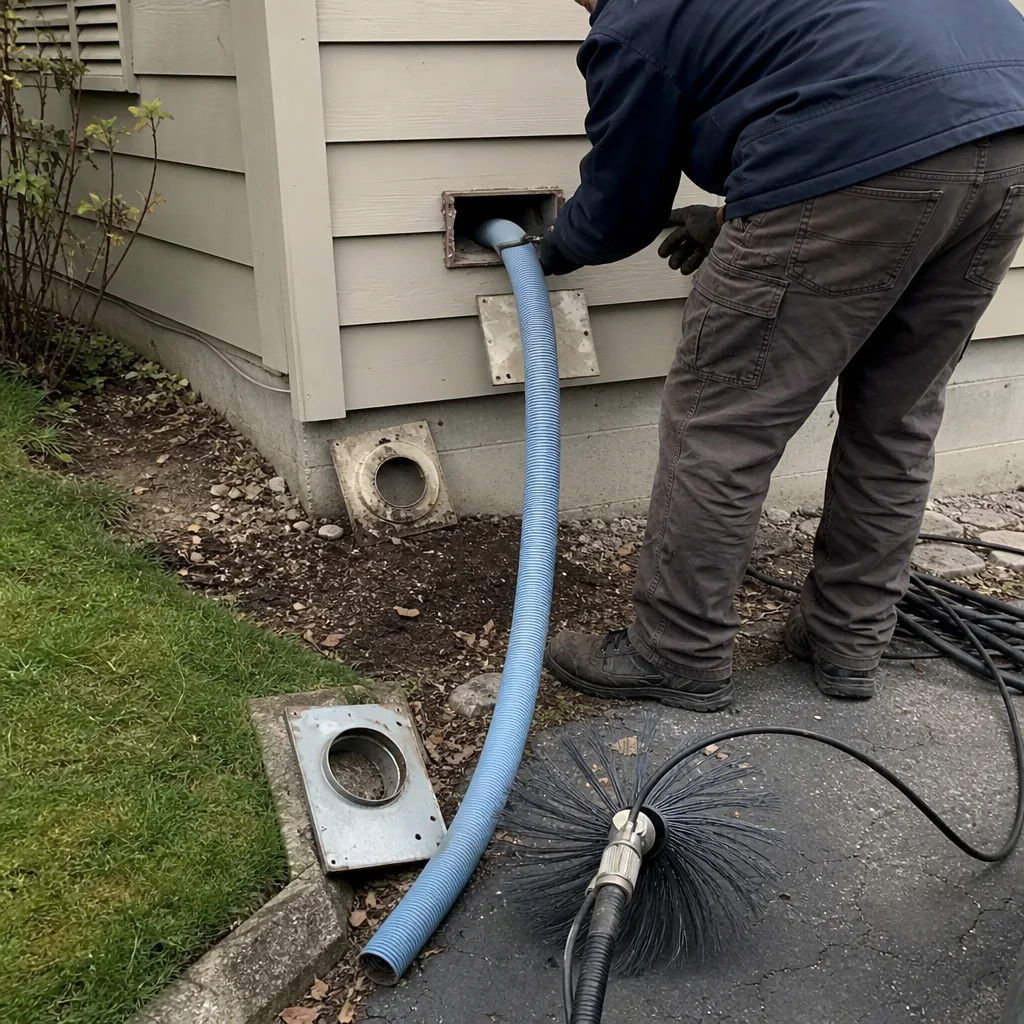
- Skipping the dryer vent on the annual schedule. A clogged dryer vent is a fire risk, and it’s a separate system from the supply ducts. It needs its own annual attention, not an afterthought once a year when the dryer starts taking two cycles to dry a load.
- Sanitizing instead of cleaning. Sanitizer sprayed onto dirty duct walls doesn’t do much. Cleaning first, then treating the surfaces, is the only order that works.
- Ignoring the coil and air handler. The ducts aren’t the whole system. A clean duct network around a loaded coil still delivers reduced airflow and smoke odor. The full-system approach includes the coil and cabinet.
- Calling one contractor for ducts and another for HVAC. Splitting the two creates gaps: the duct cleaner doesn’t look at the coil, the HVAC tech doesn’t look at the duct liner, and neither addresses the return-air seal. A single full-system provider closes those gaps.
When to Call a Professional
Some duct work is a biannual chore. Some of it crosses into situations that need a trained eye before you start thinking about a cleaning date. Call a professional if the ducts haven’t been cleaned in a year or more and the home had any smoke exposure over the summer. Call if a smell appears when the heat first comes on, or if a smell persists after a filter change. Call if the dryer is taking noticeably longer per cycle – that’s a dryer vent check, and it’s worth taking seriously. Call if you’ve just moved into a Kirkland home and have no cleaning history, or if a renovation recently finished. Call if the ducts show signs of coming apart at a joint, or if airflow to a particular room has dropped.
Kirkland Air Duct Cleaning offers free estimates in Kirkland. Call (855) 812-5163. We answer 24/7. Fast dispatch from 7am to 7pm, Sunday through Friday. The estimate is free, the price is set per job by the written estimate, and the technician agrees on that price with you before any work starts.
Frequently Asked Questions
Twice a year is the right rhythm for most Kirkland homes with forced-air systems: once in late summer or early fall to clear wildfire smoke and summer pollen, and again in late winter or early spring to clear the biological load from the wet months. A single annual cleaning set to a January reminder misses both peaks. Call (855) 812-5163 for an exact quote – estimates are free.
Fall, specifically late August or September, is the single most valuable cleaning window in Kirkland because it clears wildfire smoke residue before the wet season locks it into the duct walls. Spring is a reasonable second visit but not the priority one. If you’re only cleaning once, choose fall.
Yes. Fine smoke particulate passes through standard filters in quantity and sticks to duct walls, the plenum, and the evaporator coil. Once it coats those surfaces, every cooling or heating cycle pulls some of it back into living space. Post-smoke cleaning with rotary agitation and HEPA extraction is the right response.
A musty smell in winter is usually microbial growth on duct liner or the coil pan, fed by moisture from a sealed-up Kirkland home. Windows stay closed for weeks, indoor humidity rises, and the liner stays damp. Cleaning plus sanitizing addresses it. If it recurs the following winter, duct repair and sealing is likely the real fix.
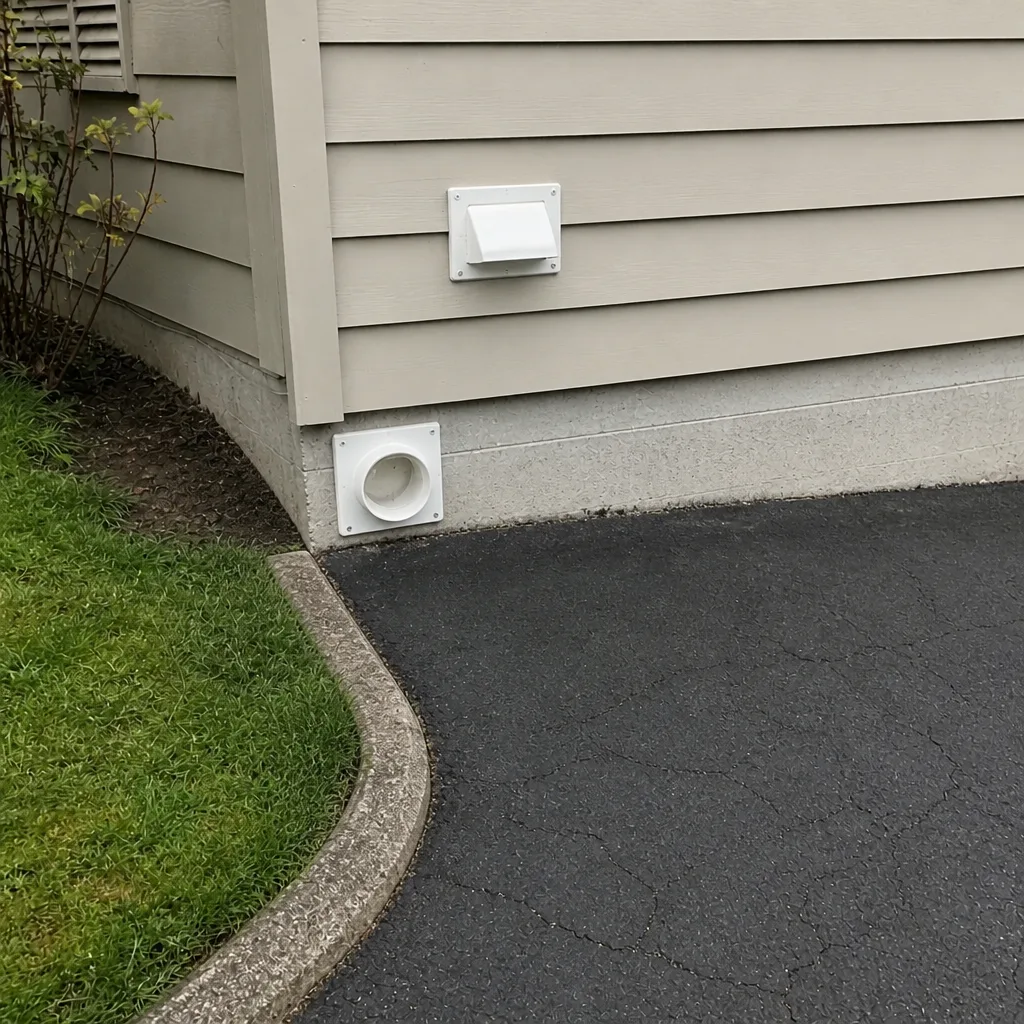
Yes. The dryer vent is a separate system from the supply ducts, and a clogged one is a fire risk. Dryer vent cleaning belongs on the annual schedule as its own item, not folded into duct cleaning. Most providers treat it as an afterthought; we treat it as its own service category.
Ask for before-and-after photos of your ducts from the technician’s inspection camera. The technician takes them at the start of the job and again at the end, and you should see them. If a provider can’t show that visual evidence, that’s the answer. Call (855) 812-5163 for an exact quote – estimates are free.
The Bottom Line
Kirkland’s climate doesn’t deliver air quality threats in equal measure across the year. Wildfire smoke peaks in August, wet-season moisture peaks from November through March, and spring pollen peaks in April and May. A single annual cleaning set to a January tradition clears only what happens to be there at the moment, not the stressors that put it there. Build a two-visit schedule instead: post-smoke in late summer or early fall, post-winter in late winter or early spring, with monitoring in between. That rhythm, paired with a full-system provider who can clean, repair, and seal, does more for indoor air than any “annual cleaning” reminder ever will.
If seasonal timing has you wondering where your own home’s system stands, call (855) 812-5163. We answer 24/7. Fast dispatch from 7am to 7pm, Sunday through Friday. A free estimate in Kirkland tells you what your home actually needs, not what a calendar says. You can also start at our Kirkland Air Duct Cleaning home page to see the full range of services, or call and ask about Rotobrush rotary cleaning, Nikro HEPA extraction, and the full-system inspection that closes the gaps most providers leave open.
Written by the team at Kirkland Air Duct Cleaning.
See the difference
 Before
 After
 Before
 After
 Before
 After