
Last updated November 25, 2026
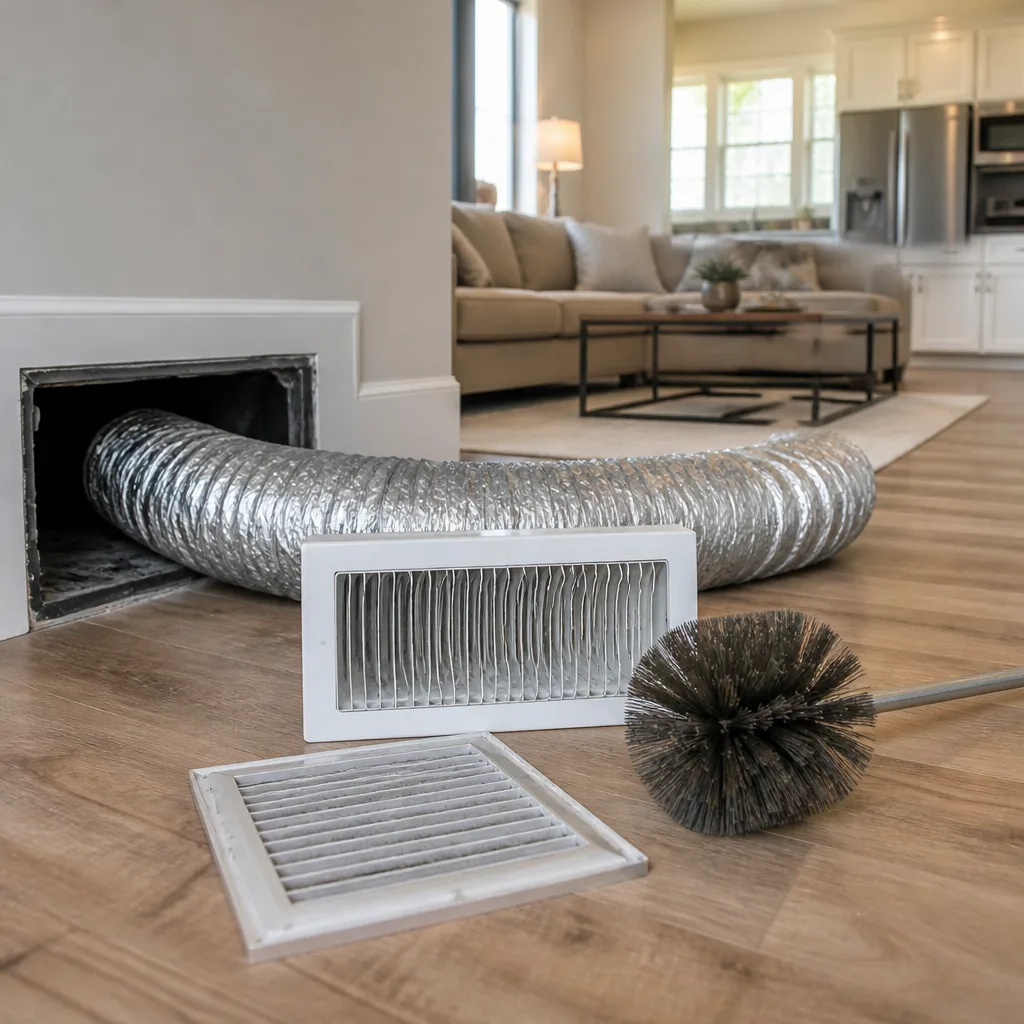 Whole-home duct cleaning
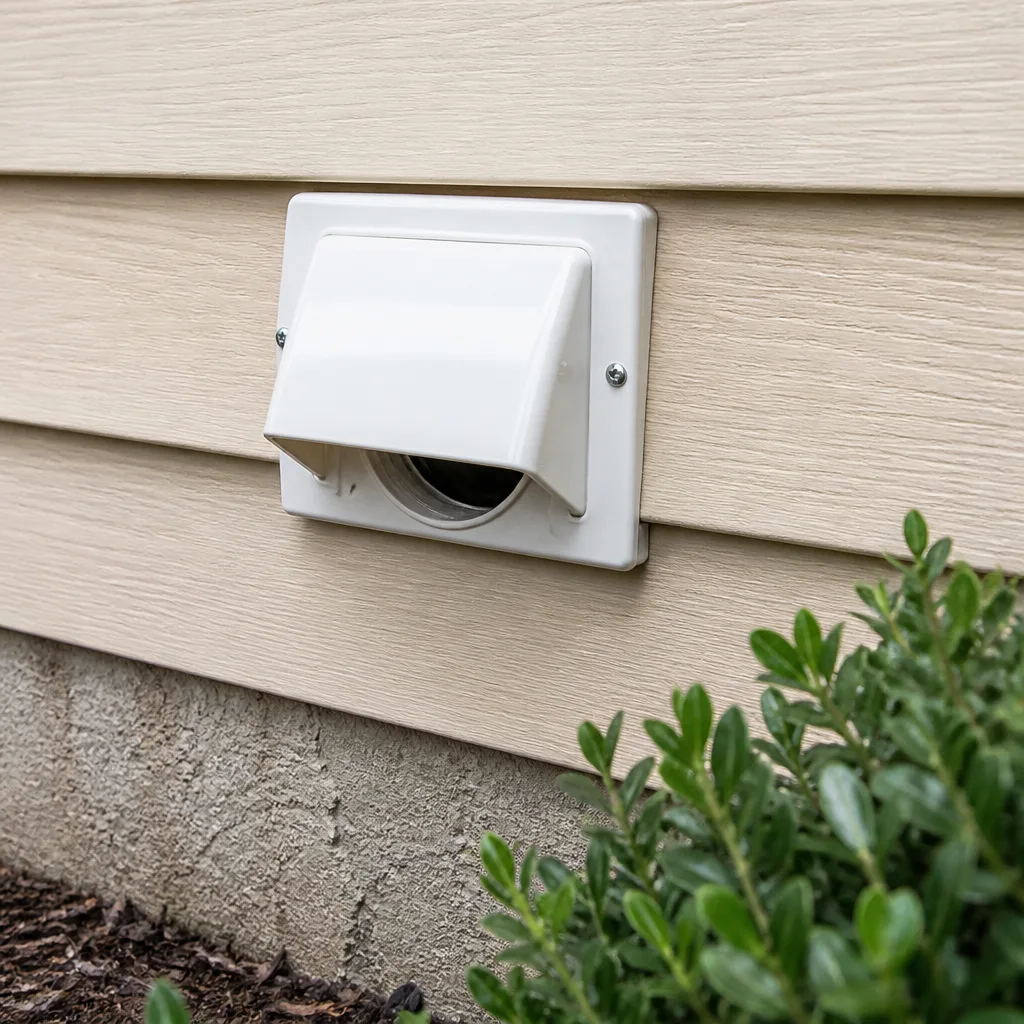 Dryer vent cleaning
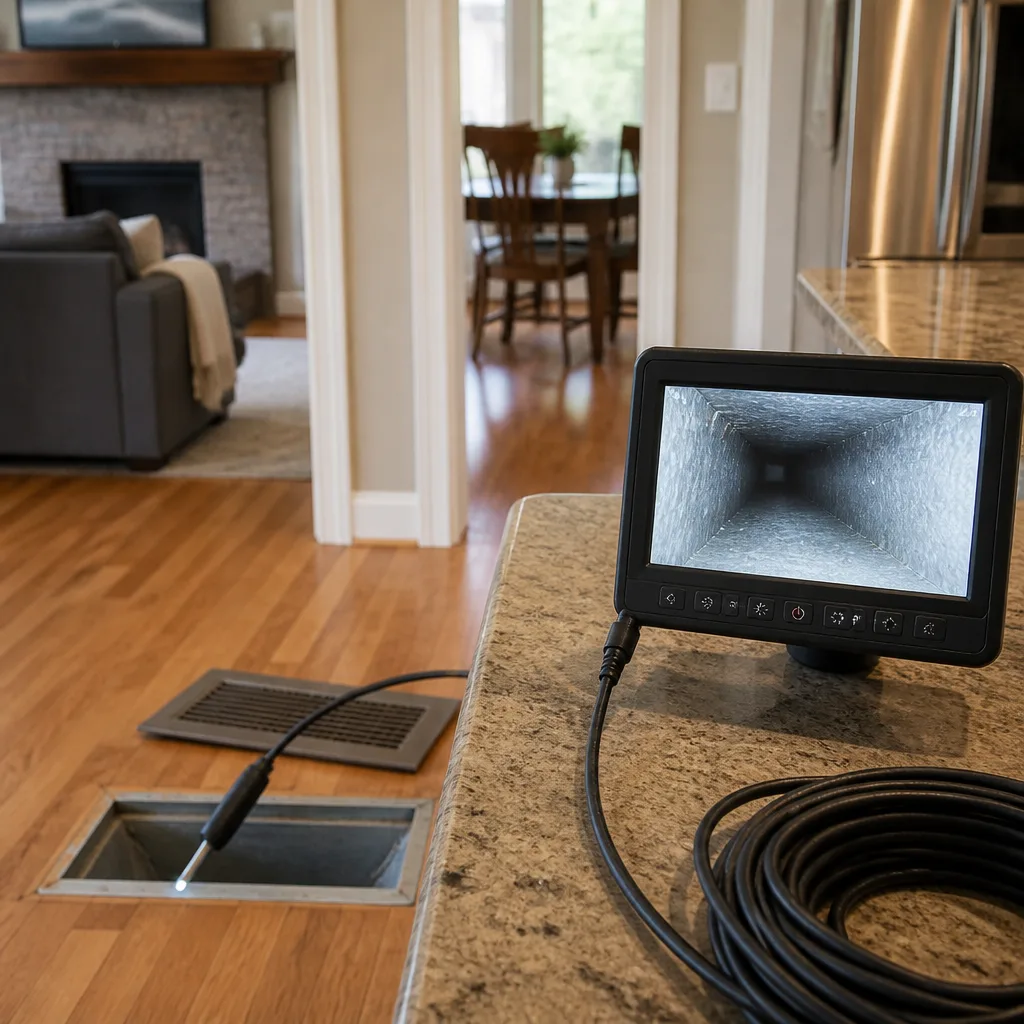 Camera inspection
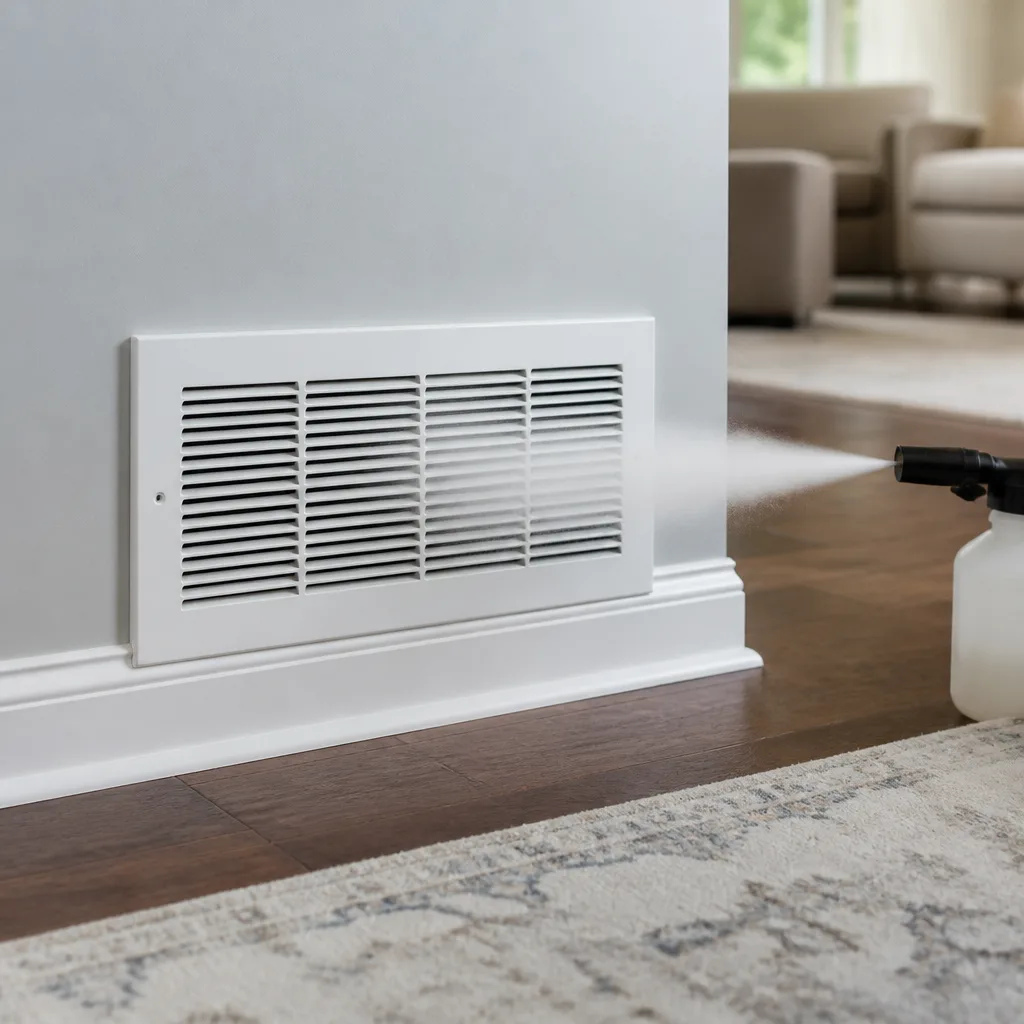 Sanitizing & deodorizing
Whole-system duct and dryer vent check with before-and-after photos - you see exactly what came out of your vents
That "$99 whole-house special" is a bait ad - the real number appears once they are in your hallway, or the "clean" is a shop-vac at the register. We photograph the inside of your ducts before and after instead.
Air Duct Cleaning Troubleshooting in Kirkland: Common Problems and How to Fix Them
If one room in your house is always about 5°F warmer than the rest, your thermostat isn’t lying. Your duct system is telling you something specific, and it’s usually not “needs cleaning.” Most homeowners in Kirkland assume every airflow complaint points to a dirty duct, so they book a cleaning and the problem comes right back. The truth is that uneven temperatures, musty smells, rattling registers and climbing bills are symptoms with distinct causes, and cleaning only solves some of them. This guide maps each symptom to its likely root cause, shows you what you can safely check yourself, and tells you when a camera inspection is the only honest way to confirm what’s happening inside the ducts in your Kirkland home.
Quick Answer
In Kirkland, most duct complaints fall into five buckets: uneven temperatures (usually a separated joint, a crushed flex run or a blockage), musty odors (microbial growth in the liner or drain pan), rattling (loose joints or debris), high energy bills (leakage losing conditioned air into crawlspaces and attics), and weak airflow at specific registers (a collapsed or disconnected run). You can confirm weak zones with a tissue-paper test at each register, but liner tears, mold colonies and internal flex duct collapse need a professional inspection camera and negative-pressure equipment to diagnose and fix.
Styles & brands we work with
- Whole-home duct cleaning
- Dryer vent cleaning
- Camera inspection
- Sanitizing & deodorizing
Table of Contents
- Symptom-to-Cause Map: What Your Ducts Are Telling You
- The Tissue-Paper Test: Find Weak Airflow Zones Before You Call
- Why One Room in Your Kirkland Home Never Gets Comfortable
- Musty Smells and What They Actually Mean
- The Pre-1990 Flex Duct Problem in Kirkland’s Older Neighborhoods
- Rising Bills and Rattling: Leakage and Loose Joints
- What You Can Fix Yourself vs. What Needs Professional Equipment
- When a Camera Inspection Is the Only Way to Know
Symptom-to-Cause Map: What Your Ducts Are Telling You
Before you call anyone, treat your duct system like a diagnostic puzzle. Each symptom points to a small set of likely causes, and matching them narrows the job down fast. Here’s the map we use when we assess a system in Kirkland.
- Uneven temperatures between rooms: separated or disconnected duct joints, a crushed flex run, a closed or blocked damper, or debris blocking a branch. Cleaning alone rarely fixes this.
- Musty or earthy odor when the system runs: microbial growth on the interior liner, moisture in the system, or a dirty evaporator drain pan feeding the smell into the airstream.
- Rattling or popping at a register: loose joints, sheet-metal panels vibrating, or debris rattling against the duct wall. Sometimes it’s an undersized return whistling under load.
- Bills climbing without a rate change: duct leakage pushing conditioned air into unconditioned spaces like attics and crawlspaces, so the system runs longer to reach the setpoint.
- Weak airflow at one or two registers: a collapsed flex duct, a disconnected run, a blockage, or a damper stuck closed.
- Visible dust puffing from a register on startup: accumulated debris in the branch or a failing seal at the boot.
Notice that only two of those six point cleanly to cleaning. That’s the core troubleshooting lesson: cleaning is a remediation step, but diagnosis comes first. When we inspect a duct system in Kirkland, we’re checking for the mechanical defects before we ever talk about vacuuming, because a cleaning visit that skips the diagnosis just hides the symptom for a few months. If you want to understand what a full cleaning scope actually involves, our page on air duct cleaning lays out each step in order.
The Tissue-Paper Test: Find Weak Airflow Zones Before You Call
You can map your system’s airflow with nothing more than a square of tissue paper and 20 minutes. It won’t tell you why a run is weak, but it will tell you where the weak zones are, which is exactly what a technician needs to hear.
- Turn the system to fan-only. You want steady airflow without heating or cooling cycling on and off, so the reading stays consistent.
- Hold the tissue near each supply register. Hold it a couple of inches from the face, not pressed against the grille. A strong register will pull the tissue taut and hold it; a weak one will let it droop or flutter.
- Note which registers hold and which don’t. Write it down room by room. Patterns matter more than single readings; a whole side of the house reading weak points somewhere upstream.
- Test your returns the same way. A return that barely pulls suggests a blockage or an undersized return path.
- Compare against the baseline. The registers closest to the air handler are usually the strongest. If the room furthest away is the weak one, that’s normal pressure drop in a long run; if an adjacent room is weak too, that’s a defect.
What this test gives you is a map. When you call, you can say “the two bedrooms on the north side barely move a tissue while the living room holds it tight,” and that sentence saves a technician a lot of guesswork. It also protects you from the wrong service: a company that hears “weak airflow” and sells a cleaning without checking the run may leave you with the same weak register and a lighter wallet. If your pattern shows a single dead zone, ask specifically about a duct inspection rather than a cleaning; our guide to HVAC cleaning explains how the air handler and coil fit into this picture.
Why One Room in Your Kirkland Home Never Gets Comfortable
A 5°F gap between rooms is one of the most common complaints we hear, and it almost always has a physical cause you can trace. In Kirkland’s mix of mid-century ranches and newer construction, the usual culprits come down to how the run was built and how it’s held up.
- A separated joint: the connection between the branch and the trunk has slipped or the tape and mastic have failed. Conditioned air spills into the crawlspace or wall cavity before it ever reaches the register.
- A crushed or kinked flex run: flex duct routed through a tight joist bay or bent too sharply at the boot chokes down to a fraction of its capacity. Common in retrofits where a run was squeezed into a space it wasn’t sized for.
- A closed damper: a balancing damper in the branch was shut during a previous adjustment and never reopened. Easy to check if you can trace the run.
- An oversized register on a short run: too much air dumped into one room starves the rest of the branch.
- A blocked branch: debris, a collapsed liner, or in rare cases a pest nest blocking the run.
Here’s the part most people miss: temperature gaps are rarely fixed by cleaning. If the branch is disconnected or crushed, vacuuming the duct does nothing. What actually solves it is finding the defect, reconnecting or replacing the run, and sealing it properly. That’s a repair and sealing job, not a cleaning job, and treating it as the wrong one is how homeowners end up frustrated. Our technicians have up to 11 years of experience tracing exactly these kinds of run-level defects in Kirkland-area homes, and the first step is always confirming which run is failing before touching anything.
Musty Smells and What They Actually Mean
A musty smell that appears whenever the system kicks on is a moisture and biology signal, not a dirt signal. That distinction matters because cleaning without addressing the moisture source just gives the growth a fresh surface to return to.
In Kirkland’s damp climate, moisture finds its way into ducts in predictable ways. Condensation forms on cold duct surfaces during humid stretches. A clogged condensate drain backs moisture up near the air handler. An evaporator drain pan that isn’t draining properly sits wet and grows the smell, and the blower pushes it straight through the house. Interior duct liner, which is common in older systems, is a porous surface that holds moisture and organic dust, which is exactly what microbial growth needs.
What this means for troubleshooting:
- Smell strongest at startup? Likely growth in the air handler or the first few feet of supply duct, where the blower pushes it out first.
- Smell in one room only? Check that branch’s liner and look for a disconnected run drawing air from a damp crawlspace.
- Smell that comes and goes with weather? Points toward condensation and humidity rather than a fixed colony.
Surface-level cleaning can reduce the smell, but it doesn’t kill the growth or remove the moisture it’s feeding on. That takes sanitizing after the source is corrected, plus sealing any leaks that let humid air into the system. Our Kirkland Air Duct Cleaning team approaches it in that order: fix the moisture, clean the system, then sanitize, so the smell doesn’t return in a month. If the musty odor is your main complaint, describe it when you call; it changes what the technician looks for first.
The Pre-1990 Flex Duct Problem in Kirkland’s Older Neighborhoods
Homes built before 1990 in Kirkland’s older neighborhoods commonly have flex duct installed in ways that a visual inspection can’t fully assess. The duct can look perfectly fine from the outside and still be collapsed internally, which means it delivers a fraction of the air it was designed for. You’ll never see the collapse from the crawlspace or the attic because the outer jacket holds its shape.
What makes this tricky is how convincing the duct looks. The jacket is intact, the insulation is on, it’s routed where it should be. But the inner core has kinked, delaminated or crushed under its own weight or a tight bend, and the effective diameter at that point is a small opening. The symptom is a weak register you can’t explain, often paired with uneven temperatures elsewhere because the system is fighting to keep up.
How to tell the difference between a collapsed run and a dirty one:
- Do the tissue-paper test on the affected register and one nearby. If the nearby register is strong and the affected one is weak, the problem is in that run, not the whole system.
- Feel the duct jacket along the run if it’s accessible. A collapsed run feels flat or pinched in spots; a round, taught jacket suggests the outer shape is fine but the inner may still be compromised.
- Compare airflow between registers on the same branch. Uneven flow on one branch is a run-level defect.
- Have the run scoped if the pattern is clear but you can’t see the cause. A camera inspection settles it definitively.
This is where a professional-grade tool matters. A rotary brush system like Rotobrush, paired with a Nikro HEPA vacuum and a camera, lets a technician see the collapse and confirm it before recommending anything. We’d rather show you the problem than guess at it, and we only recommend replacement when the run can’t be made right any other way. If you’re in a pre-1990 Kirkland home and you have an unexplained weak room, ask specifically for a run inspection rather than a clean-and-forget.
Rising Bills and Rattling: Leakage and Loose Joints
Duct leakage and loose joints are two sides of the same coin, and both show up as symptoms long before you see them. Leakage is invisible: conditioned air escapes into an unconditioned attic or crawlspace, the system runs longer than it should, and your bill climbs without any obvious cause. Rattling is the audible version: a joint has worked loose, a sheet-metal panel is vibrating, or debris is bouncing around inside the duct as the blower cycles.
On the bill side, a jump in usage that isn’t explained by weather or a rate change usually points to a system working harder than it needs to. Leaks in the return side are particularly expensive because the system draws in unconditioned air from the attic or crawlspace instead of the house. Sealing those joints is the fix; cleaning alone won’t stop the leak.
On the rattling side, the cause is often simpler than homeowners expect. Common ones:
- Loose joints: tape and mastic have dried out and separated, letting sheet-metal sections vibrate against each other.
- Debris: a bit of construction material or a fallen object bouncing in the duct under airflow.
- An undersized return: whistles and rattles under load because it’s pulling against a restriction.
- A blower wheel imbalance: a dirty blower can vibrate and transmit that through the whole duct system.
What you can do safely: listen for where the rattle starts, and note whether it happens on startup, at full fan speed, or all the time. What you shouldn’t do is climb into an attic or crawlspace and start poking at sheet metal joints yourself. Most of the sealing work is safe once you know where the leak is, but finding it safely, and being sure you’re sealing the right joint, is what a technician is for. Our dryer vent cleaning team also handles the related duct runs, since a clogged dryer vent is its own kind of airflow restriction and a fire-safety concern in its own right.
What You Can Fix Yourself vs. What Needs Professional Equipment
Honest troubleshooting means being clear about the line between what a homeowner can reasonably do and what genuinely requires equipment and access. Here’s where that line falls.
Safe to handle yourself:
- Removing and washing accessible return and supply register grilles.
- Replacing the air filter on schedule; a clogged filter is a common, low-cost cause of weak airflow and shouldn’t be overlooked.
- The tissue-paper test at every register, and noting which zones are weak.
- Checking that a balancing damper for a problem branch isn’t shut, if it’s accessible without entering a tight crawlspace.
- Vacuuming the visible face of a grille and cleaning the immediate area around a register.
Needs a professional:
- Internal liner tears: a damaged liner can’t be reached by a shop vacuum and can shed fibers into the airstream if not addressed properly.
- Mold colonies inside the ducts: removal needs controlled negative pressure and proper containment, not a spray from a bottle.
- Collapsed or disconnected flex runs: these need access into crawlspaces and attics, plus a camera to confirm the cause.
- Sealing leaks in hard-to-reach joints: proper sealing needs the right mastic and access, and doing it wrong can make things worse.
- A full-system clean: negative-pressure equipment with HEPA filtration is what actually removes the debris rather than stirring it up.
The reason this matters: the wrong “DIY” on internal duct work can dislodge contaminants into the airstream or tear a liner further. That’s why we use equipment like Nikro HEPA vacuums and Abatement Technologies air-filtration tools on every job: they capture dislodged material at the source instead of spreading it through the house. If you’re not sure which category your problem falls into, the safe move is to describe the symptom and let a technician tell you.
When a Camera Inspection Is the Only Way to Know
Some duct problems are invisible from any angle a homeowner can reach. A camera inspection is the definitive answer when the symptom points to a defect but the cause isn’t visible from the outside. Here’s when it’s warranted, and when it isn’t.
A camera inspection is the right call when:
- You have a persistent weak register and the tissue-paper test confirms it, but the visible run looks intact.
- A musty smell won’t go away after cleaning, and you suspect a liner issue or moisture source you can’t see.
- You’re in a pre-1990 Kirkland home with flex duct that may be collapsing internally.
- You’ve had renovation work and suspect debris or a disconnected run behind a wall or in a tight bay.
- You need before-and-after proof of what was actually found and fixed.
You can self-diagnose with confidence when:
- The problem is a clogged filter (check and replace it).
- A register grille is visibly clogged with dust (remove and wash it).
- A balancing damper you can access is closed (open it and retest airflow).
Beyond those, guessing is expensive. A camera lets a technician see the collapse, the tear, or the separation and show you. We use inspection cameras on the same visit as the assessment, so you get a real answer rather than a recommendation based on symptoms alone. If you’d like a camera inspection in Kirkland, say so when you call and we’ll set it up.
Common Mistakes to Avoid
- Assuming every problem means cleaning. Uneven temperatures and weak registers are usually mechanical defects, and cleaning won’t fix a disconnected run. Confirm the cause before you book a service.
- Booking a cleaning before a diagnosis. A cleaning without an inspection can hide a leak or a crushed run that comes right back a few months later. Ask for the diagnosis first.
- Ignoring a musty smell after cleaning. If the smell returns, the moisture source wasn’t addressed. Cleaning without fixing the moisture just resets the clock.
- Skipping the tissue-paper test. You lose the cheapest diagnostic you have. It takes 20 minutes and tells a technician exactly where to look.
- Trying to reach a liner tear or mold colony yourself. Internal duct work needs negative pressure and containment. Improper handling stirs contaminants into the airstream.
- Treating a clogged dryer vent as a cleaning afterthought. It’s a fire-safety concern and deserves a dedicated service, not a quick pass with a vacuum.
- Assuming a pre-1990 Kirkland home just “runs warm.” A collapsed flex run is common in older builds but it’s fixable. A persistent room-level temperature gap is a defect, not a fact of life.
See the difference
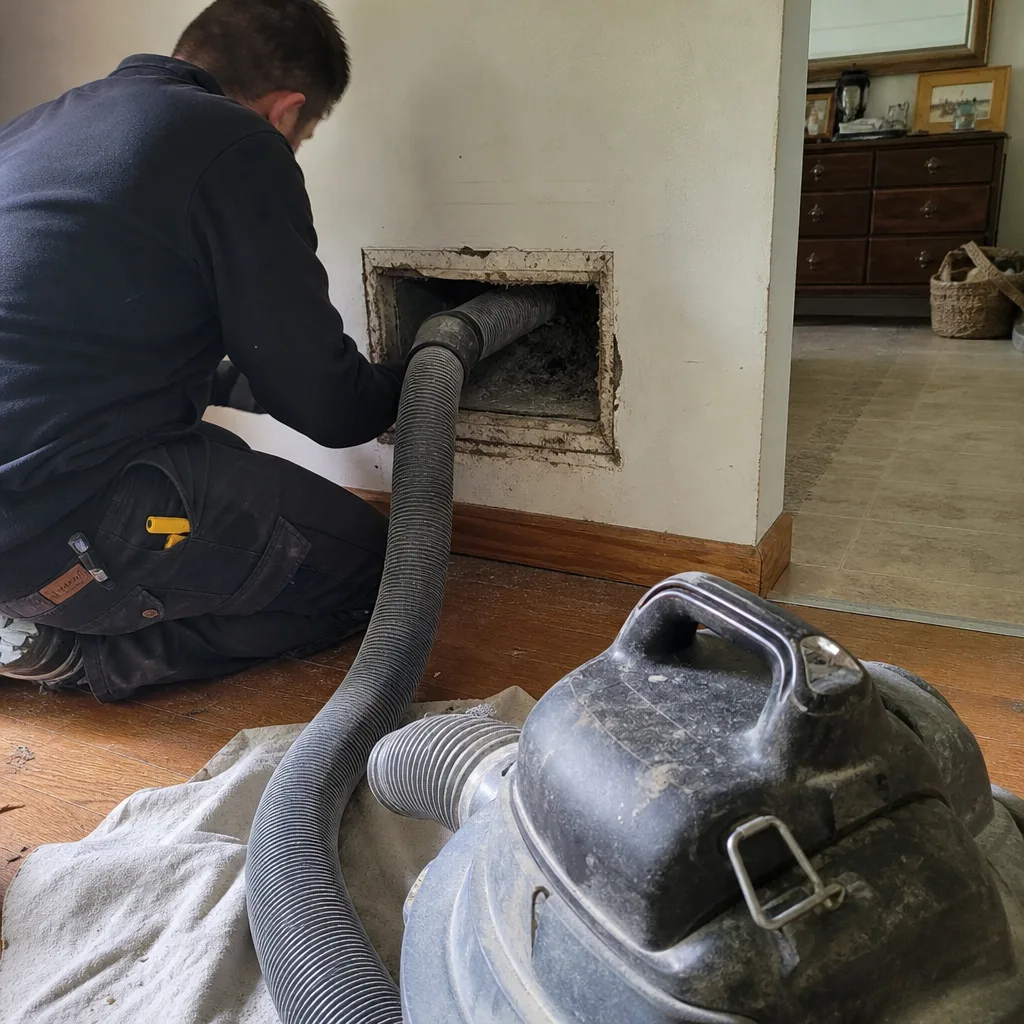 Before
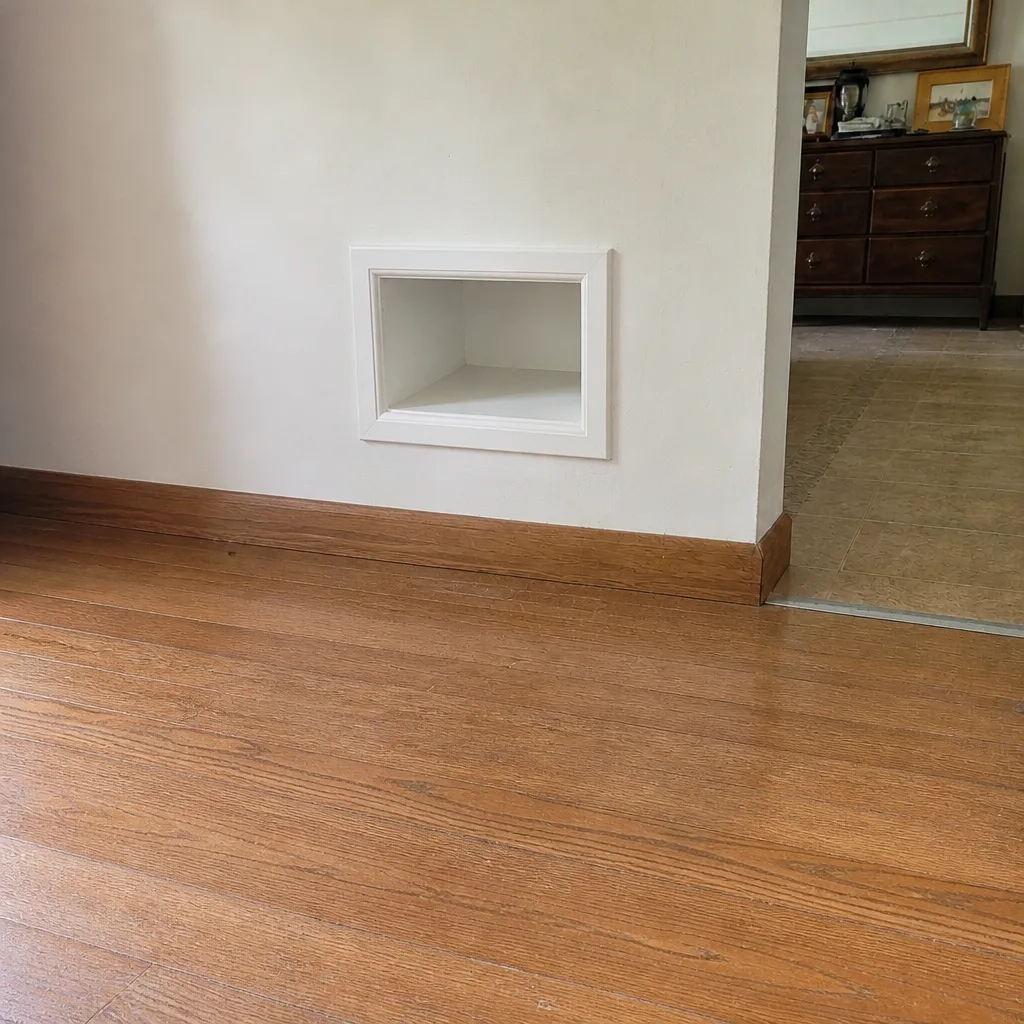 After
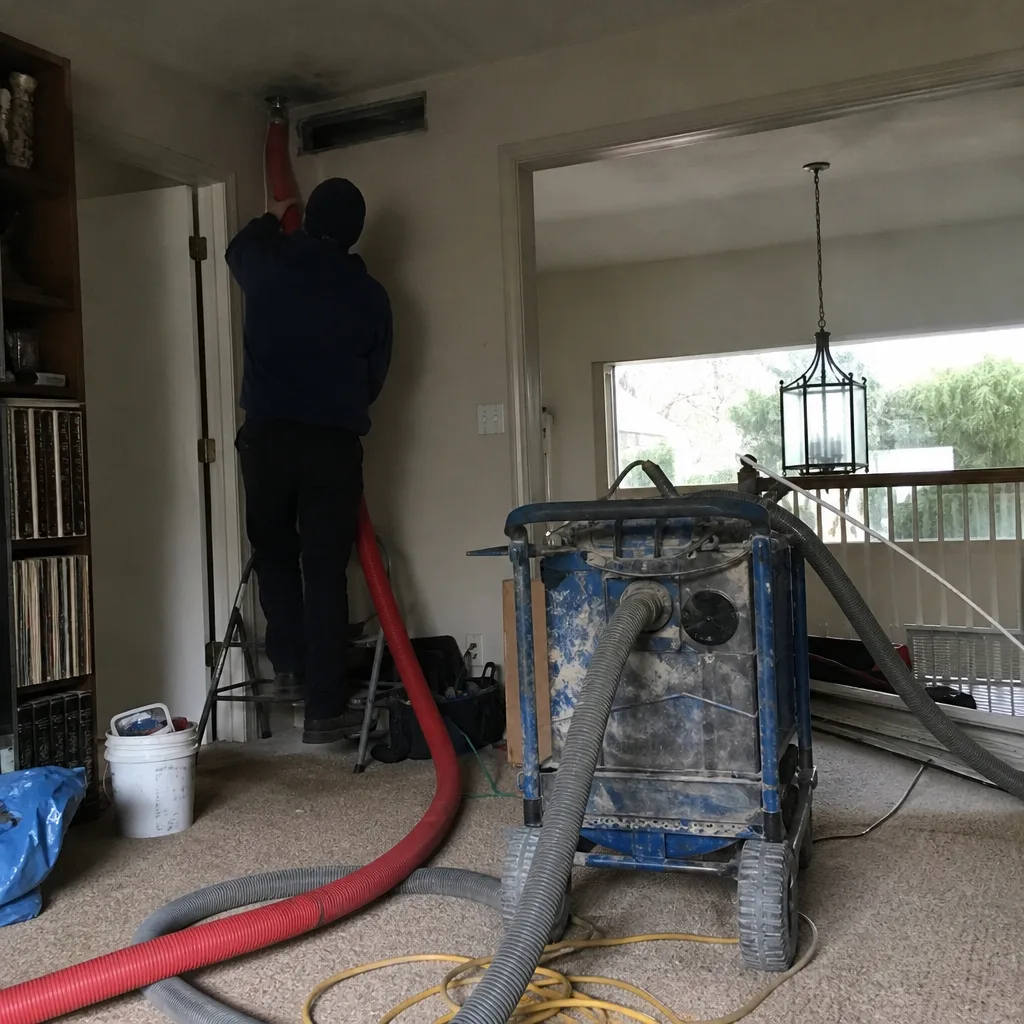 Before
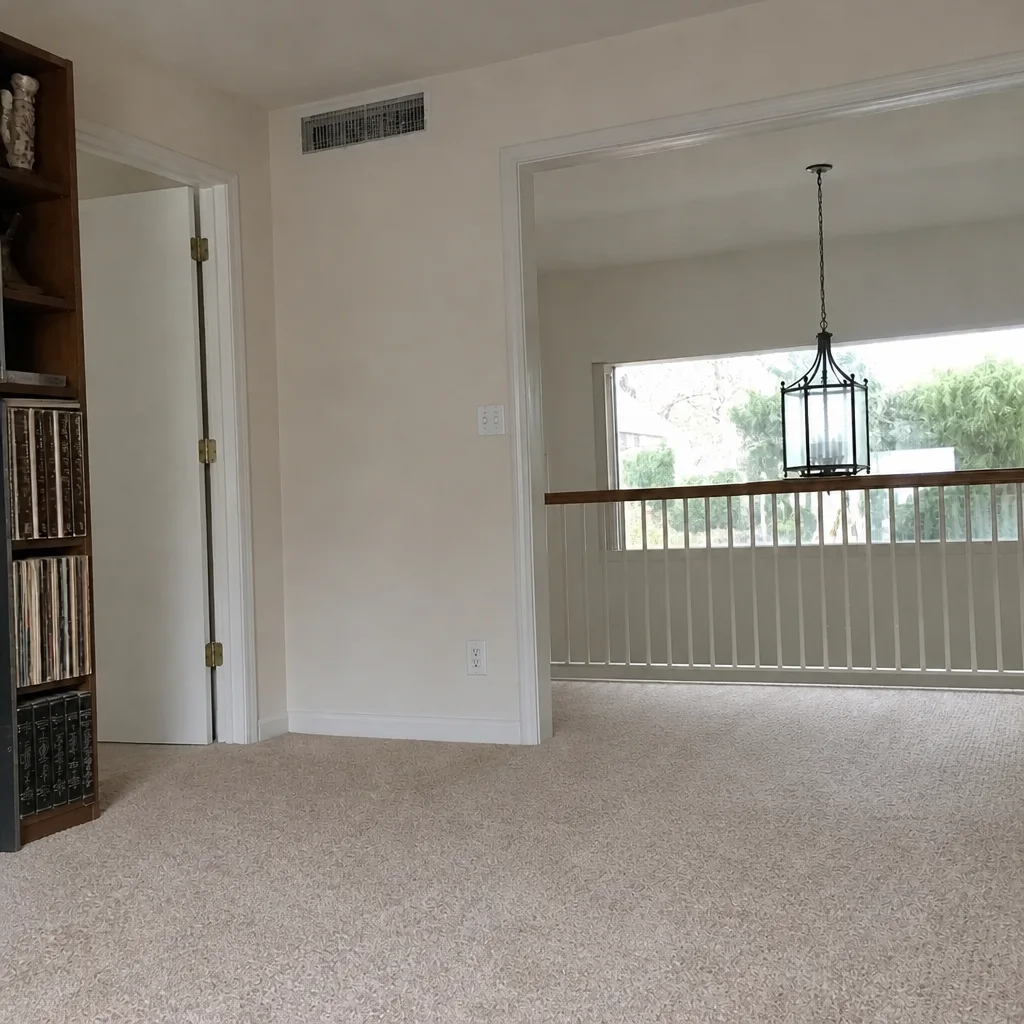 After
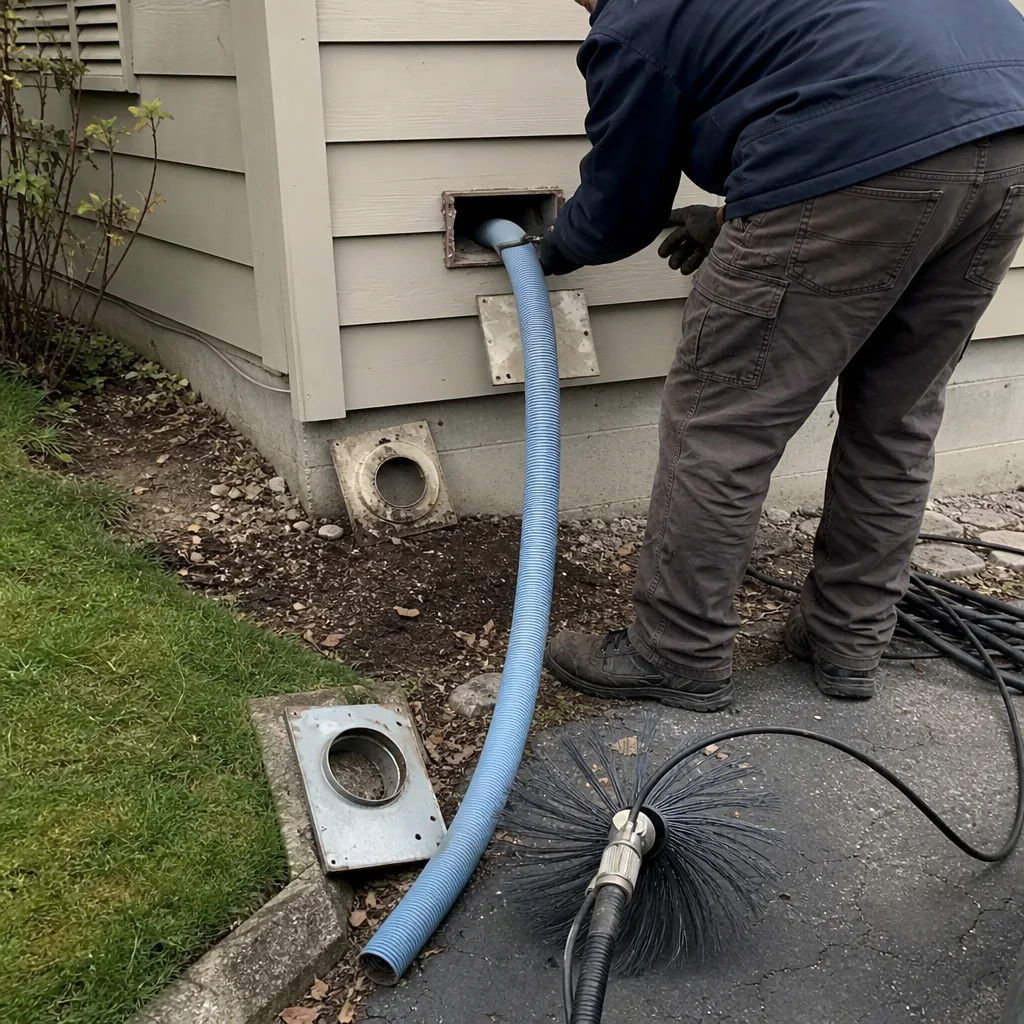 Before
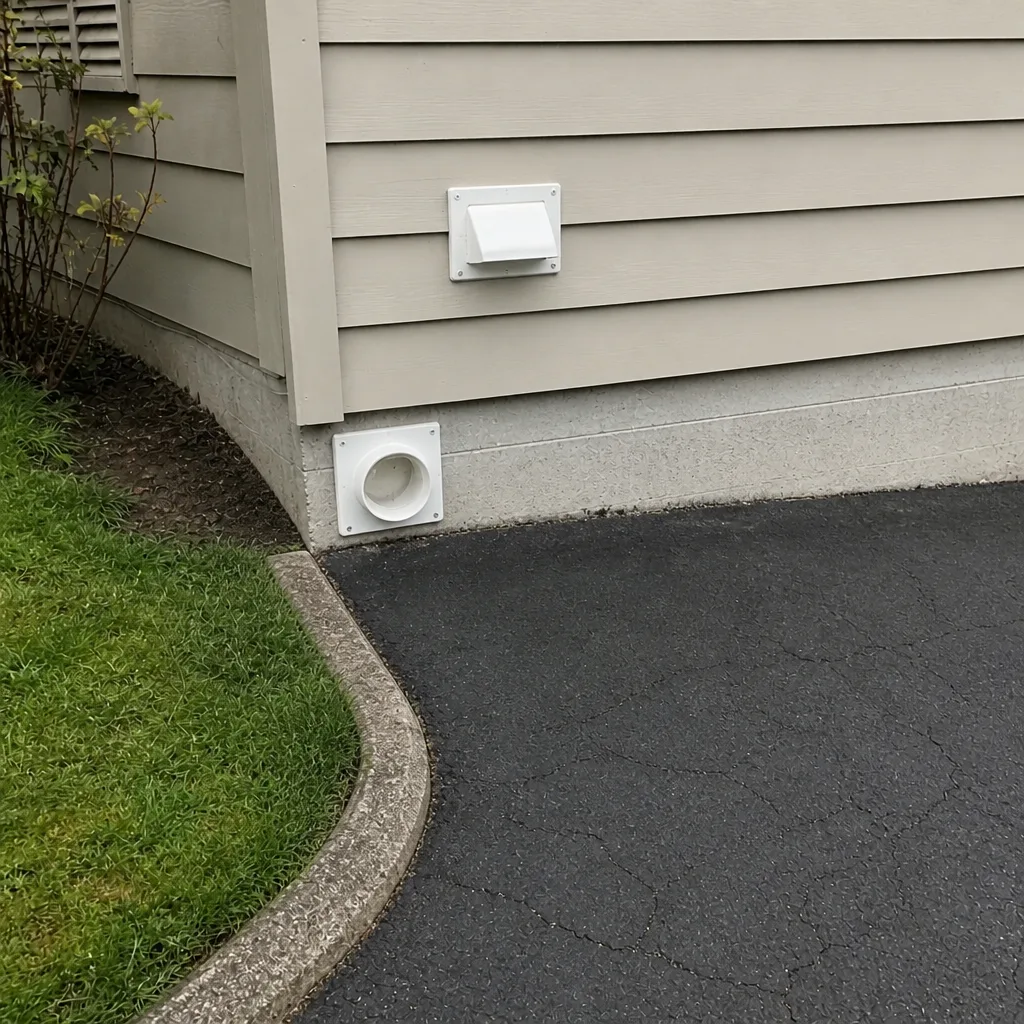 After
When to Call a Professional
Call a professional when your symptoms point to something you can’t see or reach: an unexplained weak register after the tissue-paper test, a musty smell that returns after cleaning, rattling that starts at a joint you can’t safely access, or a bill that’s climbing without explanation. Those cases need a camera, negative pressure and proper sealing, and the wrong fix can make things worse. If you’re in a pre-1990 Kirkland home with flex duct, a full inspection is worth it even if nothing seems wrong, because collapse hides from the outside. Kirkland Air Duct Cleaning offers free estimates in Kirkland, call (855) 812-5163 to schedule one. We answer 24/7. Fast dispatch from 7am to 7pm, Sunday through Friday. The estimate is free and the price is set per job by the written estimate.
Frequently Asked Questions
Air duct cleaning in Kirkland typically runs a whole-system range, with the written estimate setting the final price per job. We don’t quote per-vent prices, because the real cost depends on the system size, the number of runs and whether any repair or sealing is needed. Call (855) 812-5163 for an exact quote, estimates are free.
Cheap quotes usually price only a superficial vacuuming, skip the diagnosis, and leave out the repair and sealing work that actually fixes a weak register or a leak. A low per-vent price can look appealing until the invoice grows once the technician is on site. Ask for one flat price per system agreed before the work starts, and before-and-after photos of your own ducts, then call (855) 812-5163 for an exact quote.
Usually no. A room that runs about 5°F warmer than the rest is typically caused by a separated joint, a crushed flex run or a closed damper, and those need repair and sealing rather than cleaning. Cleaning is a remediation step; the diagnosis comes first. Call (855) 812-5163 to have the run inspected.
A musty smell means moisture and microbial growth somewhere in the system, often on the interior liner or in a dirty drain pan. Cleaning without fixing the moisture source just gives the growth a fresh surface. The fix is to correct the moisture, clean the system and sanitize it; call (855) 812-5163 for an assessment.
Sometimes. A tissue-paper test that shows one register much weaker than a nearby one on the same branch points to a run-level defect, and feeling the jacket for flat spots can confirm a pinched run. But internal collapse often looks fine from the outside, and a camera inspection is the definitive answer. Call (855) 812-5163 to have the run scoped.
There’s no single interval that fits every home, and the honest answer is that it depends on the system, the filter, and whether repairs are needed. A better rule is to clean when the diagnosis shows debris or growth, not on a fixed calendar. Call (855) 812-5163 for a free estimate and a straight assessment.
The Bottom Line
Most duct problems in Kirkland aren’t mysteries. Uneven temperatures trace back to separated joints, crushed runs or closed dampers. Musty smells point to moisture and growth. Rattling means loose joints or debris. Rising bills mean leakage. The tissue-paper test tells you where the problem is, and a camera tells you what it is. Cleaning solves some of these; repair and sealing solve the rest, and mixing up the two is how homeowners get stuck repeating the same service. Start with the symptom, confirm the cause, then pick the right fix. Written by the team at Kirkland Air Duct Cleaning.
We work with professional-grade equipment from Rotobrush, Nikro and Abatement Technologies, and we recommend and install Honeywell and Aprilaire air-quality products when the diagnosis calls for it. If you’d like a straight assessment of your system, call (855) 812-5163 for a free estimate in Kirkland. We answer 24/7. Fast dispatch from 7am to 7pm, Sunday through Friday.
Written by the team at Kirkland Air Duct Cleaning.